
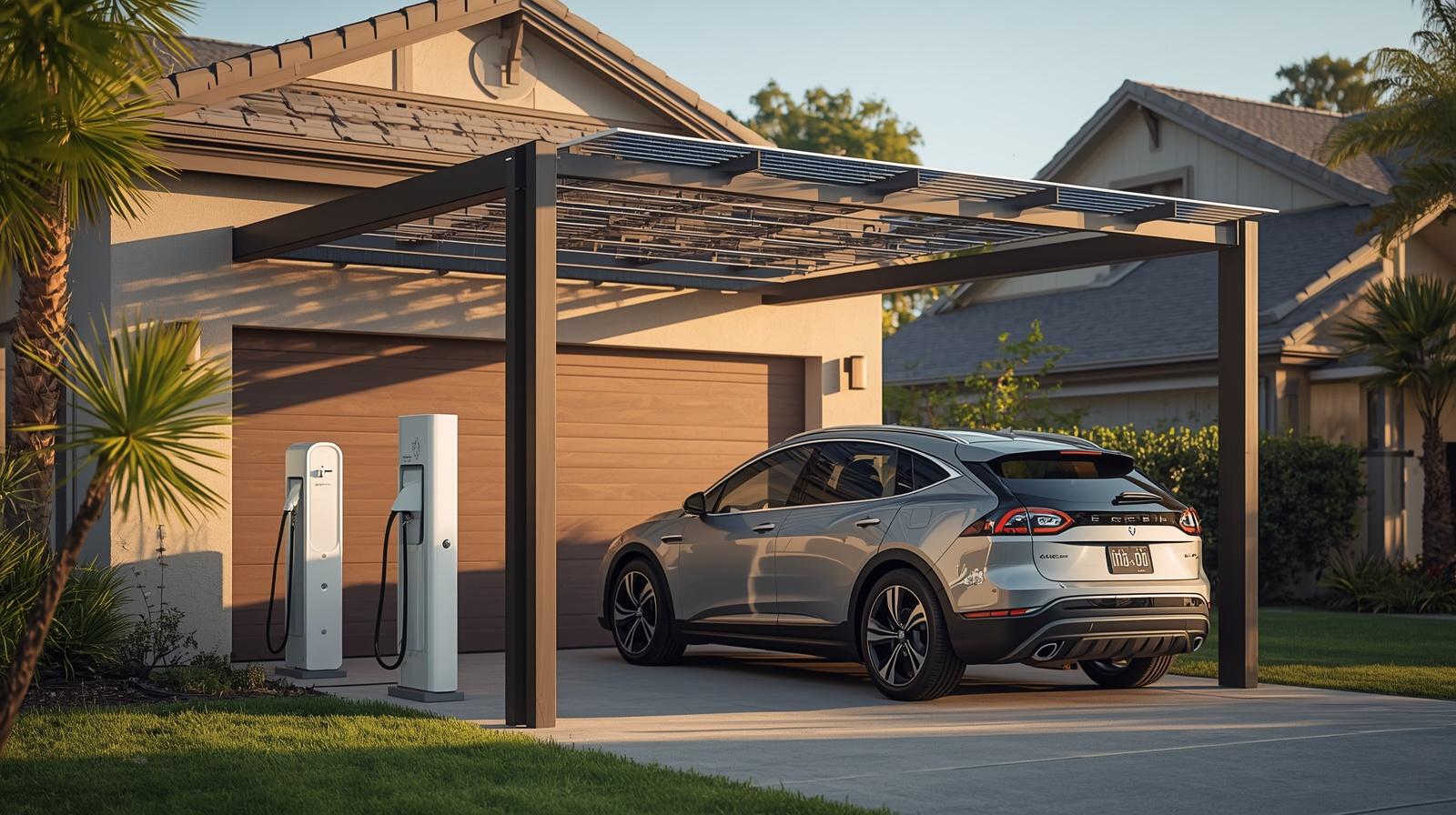
As electric vehicles (EVs) become more popular, many drivers are looking for cleaner and cheaper ways to charge their cars. One of the most exciting solutions available today is a solar EV charging system. This technology allows homeowners to use energy from the sun to charge their electric vehicles, reducing electricity costs and lowering their environmental impact. But many people still wonder:
How a solar EV charging system works?
The answer is simpler than you might think. A solar EV charging system captures sunlight through solar panels, converts that sunlight into electricity, and then uses that electricity to charge an electric vehicle.
In this complete guide, you will learn exactly how a solar EV charging system works, its key components, benefits, costs, challenges, and why it is becoming one of the most popular solutions for sustainable transportation in the United States.
What Is a Solar EV Charging System?
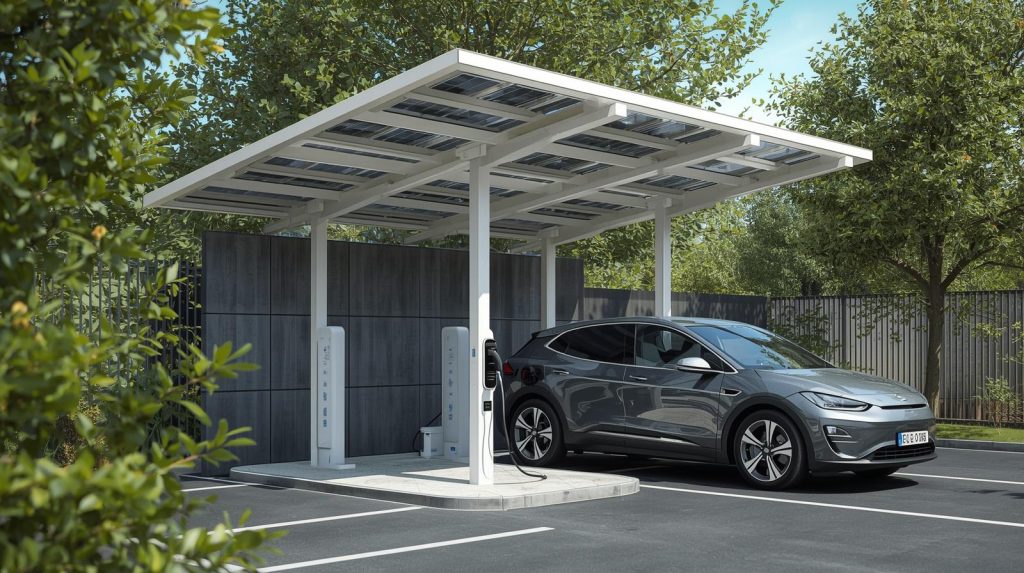
A solar EV charging system is a setup that uses solar energy to power an electric vehicle.
Instead of relying entirely on electricity from the utility grid, the system generates renewable energy from sunlight and sends it to an EV charger.
The basic system includes:
- Solar panels
- Solar inverter
- EV charging station
- Electrical wiring
- Optional battery storage
These components work together to convert sunlight into usable electricity for charging an EV battery.
Why Are Solar EV Charging Systems Becoming Popular?
Electric vehicle ownership continues to grow across the country. At the same time, solar energy technology has become more affordable and efficient.
Combining solar power with EV charging offers several advantages:
- Lower energy bills
- Reduced carbon emissions
- Greater energy independence
- Protection against rising electricity costs
- Cleaner transportation
As homeowners seek ways to save money and reduce their environmental footprint, solar EV charging systems have become an attractive option.
How a Solar EV Charging System Works: Step-by-Step Process
Understanding how a solar EV charging system works is easier when the process is broken into simple steps.
Step 1: Solar Panels Capture Sunlight
The process begins with solar panels installed on a roof, garage, carport, or ground-mounted structure.
Solar panels contain photovoltaic (PV) cells that absorb sunlight throughout the day.
When sunlight strikes the photovoltaic cells, the energy excites electrons inside the cells and creates an electrical current.
This electrical current is known as direct current (DC) electricity.
At this stage, the system has successfully converted sunlight into electrical energy.
Step 2: The Inverter Converts the Electricity
The electricity generated by solar panels is direct current (DC).
However, homes and EV chargers typically use alternating current (AC).
This is where the solar inverter becomes important.
The inverter converts DC electricity into AC electricity so that it can safely power household devices and EV charging equipment.
Without an inverter, the electricity produced by solar panels could not be used effectively for charging an electric vehicle.
Step 3: Electricity Flows Through the Home Electrical System
After conversion, the electricity enters the home’s electrical system.
At this point, the energy can be used in several ways:
- Power household appliances
- Charge an electric vehicle
- Charge a home battery storage system
- Send excess electricity to the utility grid
Modern energy management systems automatically determine where electricity should go based on current demand.
This helps maximize energy efficiency.
Step 4: The EV Charger Receives Solar Power
The EV charging station acts as the bridge between the solar energy system and the vehicle.
When the vehicle is plugged in, the charger transfers electricity into the EV battery.
Most homeowners use a Level 2 charging station because it provides faster charging speeds than a standard household outlet.
The charger continuously monitors power flow to ensure safe and efficient charging.
Step 5: The EV Battery Stores the Energy
Once electricity reaches the vehicle, it is stored inside the EV battery pack.
The battery acts like a fuel tank, except it stores electricity instead of gasoline.
The stored energy powers:
- The electric motor
- Climate control systems
- Vehicle electronics
- Lighting systems
At this point, the vehicle is ready to drive using energy generated directly from sunlight.
Main Components of a Solar EV Charging System
To fully understand how a solar EV charging system works, it’s important to know the role of each component.
Solar Panels
Solar panels are responsible for collecting sunlight and generating electricity.
Most residential installations use monocrystalline solar panels because they offer:
- High efficiency
- Long lifespan
- Strong performance
- Better space utilization
The size of the solar array determines how much electricity the system can produce.
Solar Inverter
The inverter converts solar-generated DC electricity into usable AC electricity.
Modern inverters also monitor system performance and optimize energy production.
Some advanced systems use microinverters or power optimizers for even greater efficiency.
EV Charging Station
The charging station delivers electricity from the solar system to the vehicle.
There are two common charging levels:
Level 1 Charging
- Uses a standard household outlet
- Slower charging speed
- Lower installation cost
Level 2 Charging
- Uses a dedicated charging circuit
- Faster charging speed
- Most popular for home EV charging
Level 2 chargers are generally recommended for solar EV charging systems.
Battery Storage System (Optional)
Some homeowners install battery storage systems.
A solar battery stores excess solar energy generated during the day.
This stored energy can later be used:
- At night
- During cloudy weather
- During power outages
Battery storage increases energy independence and improves solar utilization.
Can Solar Panels Fully Charge an Electric Vehicle?
Yes, they can.
A properly sized solar system can generate enough electricity to fully charge an EV.
The exact amount of solar power needed depends on:
- Vehicle efficiency
- Daily driving distance
- Local sunlight conditions
- Solar panel efficiency
Many American households successfully power both their homes and electric vehicles using solar energy.
How Many Solar Panels Are Needed to Charge an EV?
The number of solar panels required depends on several factors.
For an average EV driver traveling 30 to 40 miles per day, approximately:
- 6 to 12 solar panels
may be sufficient to support daily charging needs.
Drivers with longer commutes may require larger systems.
Factors affecting panel requirements include:
- EV battery size
- Vehicle efficiency
- Geographic location
- Available sunlight
A professional solar installer can determine the ideal system size.
Benefits of a Solar EV Charging System
There are many reasons why homeowners choose solar-powered EV charging.
Lower Charging Costs
Solar energy can significantly reduce electricity bills.
Once installed, solar panels generate free electricity from sunlight.
Over time, this can lead to substantial savings.
Reduced Carbon Footprint
Charging an EV with solar power creates fewer emissions than charging from fossil fuel-generated electricity.
This helps support cleaner transportation and environmental sustainability.
Greater Energy Independence
Producing your own electricity reduces dependence on utility companies.
This can help protect homeowners from rising electricity prices.
Long-Term Financial Savings
Although installation costs can be high, many homeowners recover their investment through reduced utility expenses.
Federal tax incentives may further improve affordability.
Challenges of Solar EV Charging Systems
While solar charging offers many benefits, it also has some limitations.
Weather Dependence
Solar production decreases during cloudy or rainy weather.
Seasonal changes can also affect energy generation.
Initial Installation Cost
Solar panels, inverters, and battery systems require an upfront investment.
However, long-term savings often offset these costs.
Limited Nighttime Production
Solar panels only generate electricity during daylight hours.
Without battery storage, nighttime charging typically relies on grid electricity.
Roof Space Requirements
Not every home has sufficient roof space or ideal solar exposure.
Professional assessment is recommended before installation.
The Future of Solar EV Charging
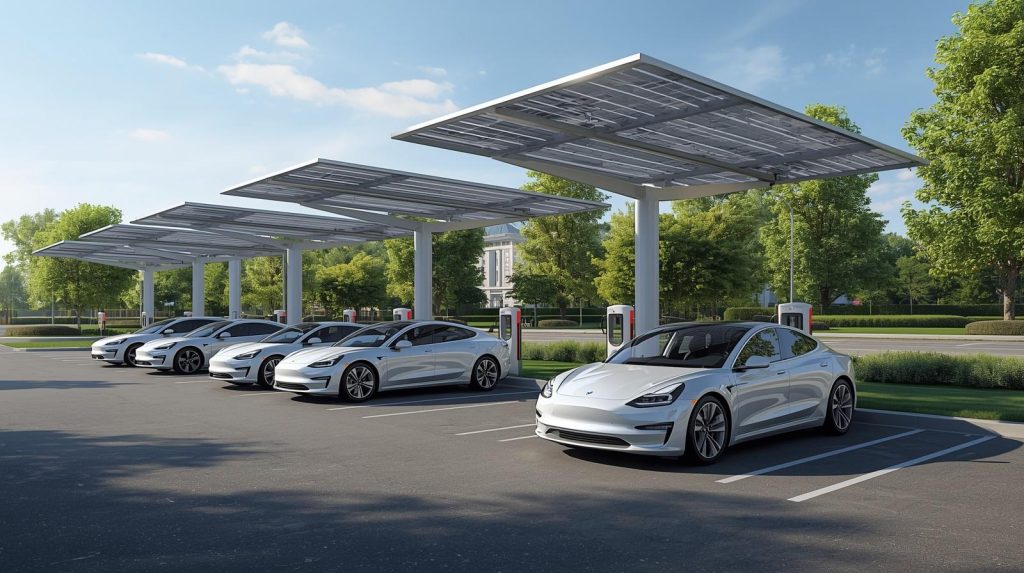
Technology continues to improve rapidly.
Future advancements may include:
- More efficient solar panels
- Faster charging systems
- Better battery storage solutions
- Smart energy management software
- Vehicle-to-home energy integration
These innovations will make solar-powered transportation even more practical and affordable.
Final Thoughts
Understanding how a solar EV charging system works reveals why it is becoming one of the most exciting developments in clean transportation.
The process is simple: solar panels capture sunlight, an inverter converts the electricity, the charging station delivers power to the vehicle, and the EV battery stores that energy for driving.
By combining renewable solar energy with electric vehicle technology, homeowners can lower charging costs, reduce carbon emissions, and gain greater control over their energy use.
As solar technology and electric vehicles continue to advance, solar EV charging systems are likely to become an increasingly common feature in homes across the United States. For drivers seeking a cleaner and more sustainable future, charging an EV with sunlight is no longer a dream—it is a practical reality available today.
FAQs: How a Solar EV Charging System Works
1. How does a solar EV charging system work?
A solar EV charging system works by using solar panels to capture sunlight and convert it into electricity. The electricity passes through an inverter, which converts it into usable power for an EV charger. The charger then transfers the electricity to the electric vehicle’s battery.
2. Can solar panels directly charge an electric car?
Not usually. Solar panels generate direct current (DC) electricity, which must first pass through an inverter and EV charging equipment before safely charging the vehicle’s battery.
3. What components are needed for a solar EV charging system?
A typical solar EV charging system includes solar panels, a solar inverter, an EV charging station, electrical wiring, and optionally a battery storage system for storing excess energy.
4. Can a solar EV charging system fully charge an electric vehicle?
Yes. A properly sized solar power system can generate enough electricity to fully charge an EV, depending on your driving habits, battery size, and local sunlight conditions.
5. How many solar panels are required to charge an EV?
Most EV owners need between 6 and 12 solar panels to support average daily driving. The exact number depends on the vehicle’s energy consumption and the solar panel efficiency.
6. Can I charge my EV with solar power at night?
Solar panels do not generate electricity at night. However, if you have a solar battery storage system, you can use stored solar energy to charge your EV after sunset.
7. Is a solar EV charging system worth it?
Yes. A solar EV charging system can reduce electricity costs, lower carbon emissions, increase energy independence, and provide long-term savings on vehicle charging expenses.
8. Does weather affect solar EV charging?
Yes. Cloudy, rainy, or snowy conditions can reduce solar panel output. However, modern solar panels still generate electricity even when sunlight is limited.
9. What is the best charger for a solar EV charging system?
A Level 2 EV charger is generally the best option because it provides faster charging speeds and works efficiently with residential solar power systems.
10. Can excess solar energy be stored for later EV charging?
Yes. A home battery storage system can store surplus solar energy produced during the day and use it later for EV charging or household electricity needs.