
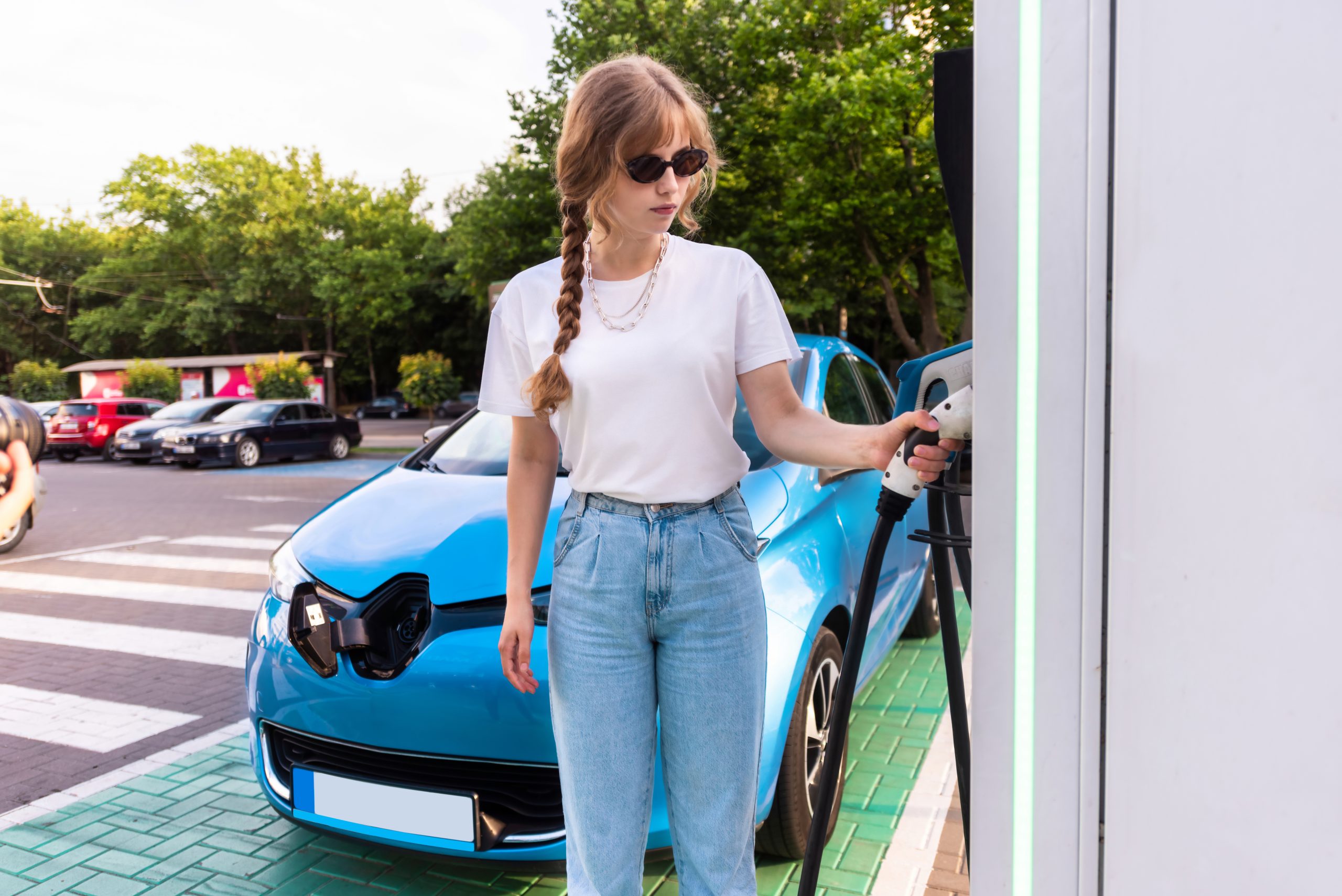
The rise of Electric Vehicles (EVs) is transforming the way we drive and fuel our cars. Unlike traditional gasoline vehicles, EVs run on electricity stored in rechargeable batteries. But for many potential owners, one big question remains: How do you charge an electric vehicle?
In this guide, we’ll explain the different charging methods, charging levels, costs, equipment, networks, incentives, and future innovations. Whether you’re new to EVs or already an owner, this detailed blog will help you understand everything about charging your electric car.
Why EV Charging Matters
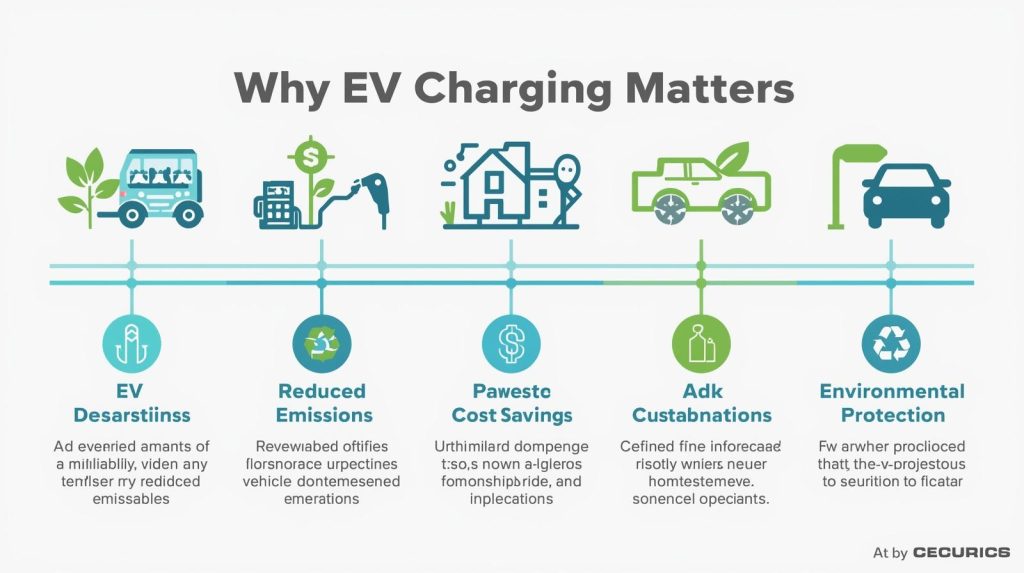
Charging is the lifeline of every electric vehicle. Without a proper charging setup, owning an EV could feel inconvenient. Unlike gas stations, which are widespread and quick, EV charging requires planning.
Here’s why charging matters:
- Convenience: Knowing how, where, and when to charge makes daily use simple.
- Cost Efficiency: EV charging is usually 3–4 times cheaper than fueling with gas.
- Sustainability: Charging with renewable energy reduces carbon emissions.
- Adoption of EVs: Better charging access encourages more people to switch to electric cars.
Different Ways to Charge an Electric Vehicle
There are three primary charging levels, each with different speeds, costs, and uses.
Level 1 Charging – Standard Household Outlet
- Uses a 120-volt outlet found in every U.S. home.
- Adds 2–5 miles of range per hour.
- Best for plug-in hybrid EVs (PHEVs) or light daily use.
- Pros: Cheapest option, requires no special installation.
- Cons: Very slow—takes 20–40 hours for a full charge.
Level 2 Charging – Faster Home & Public Charging
- Uses a 240-volt outlet (similar to dryer or oven plug).
- Adds 10–60 miles of range per hour.
- Can fully charge most EVs in 4–10 hours.
- Common at homes, workplaces, hotels, and malls.
- Home installation costs: $500–$2,000.
- Best Choice for most EV owners.
DC Fast Charging – Rapid Public Charging
- Uses direct current (DC) to charge batteries quickly.
- Adds 100–250+ miles in 20–45 minutes.
- Found on highways, urban centers, and travel routes.
- Networks: Tesla Supercharger, Electrify America, EVgo, ChargePoint.
- Pros: Great for long-distance travel.
- Cons: More expensive than home charging and may stress the battery if used too often.
Home EV Charging: The Most Convenient Option
For most EV owners, charging at home is the most practical and affordable solution.
Benefits of Home Charging
- Charge overnight while you sleep.
- Lowest cost per kWh.
- Always start the day with a full battery.
Equipment Needed
- EVSE (Electric Vehicle Supply Equipment).
- A Level 2 wall charger for faster charging.
- Smart chargers with apps to schedule charging during off-peak hours.
Installation Process
- Hire a certified electrician.
- Install a 240V outlet or hardwire a Level 2 charger.
- Apply for rebates or tax credits to lower installation cost.
Public EV Charging Stations
Public EV charging stations are essential for electric vehicle owners who need to recharge while traveling or away from home. These stations are conveniently located in places like shopping centers, parking lots, highways, and workplaces. They offer various charging options, including Level 2 chargers for moderate speed and DC fast chargers for quick top-ups. For a complete guide to EV charging in the US, understanding how public EV charging stations work is crucial, as they make long-distance travel easier, reduce range anxiety, and support the growing adoption of electric vehicles nationwide.
While home charging is convenient, public charging stations are essential for travel and apartment dwellers.
Where to Find Public Chargers
- Shopping malls, restaurants, hotels.
- Workplaces and universities.
- Highways and rest stops.
- Apps like PlugShare, ChargePoint, and EVgo help locate chargers.
Types of Public Charging
- Level 2 Chargers: Ideal for shopping or work (4–6 hours charging).
- DC Fast Chargers: Best for quick stops during long trips (20–45 minutes).
Cost of Charging an Electric Vehicle
Charging costs depend on location, electricity rates, and charger type.
- Home Charging: $0.10–$0.20 per kWh. A full charge (250 miles) costs about $9–$12.
- Public Level 2 Charging: Often free or $0.20–$0.30 per kWh.
- DC Fast Charging: $0.30–$0.60 per kWh. A full charge costs $20–$30.
Still cheaper than gasoline, where filling a tank often costs $40–$60.
EV Charging Networks in the U.S.
Several companies operate nationwide charging networks.
- Tesla Superchargers: Fastest, with 20,000+ chargers. Expanding to non-Tesla EVs by 2025.
- Electrify America: 4,000+ chargers across the U.S.
- EVgo: Urban charging with 100% renewable power.
- ChargePoint: Largest Level 2 network, popular at workplaces.
- Rivian Adventure Network: For highways and outdoor travel.
Each network offers apps for locating chargers, tracking availability, and paying.
Government Incentives for EV Charging
The U.S. government supports EV adoption with funding and tax benefits.
- Federal Tax Credit: Up to $1,000 for home charger installation.
- NEVI Program: $5 billion to expand nationwide charging corridors.
- State Incentives:
- California: Rebates up to $2,000 for chargers.
- New York: Covers 50% of charging station costs.
- Oregon & Colorado: Grants for businesses and homeowners.
- California: Rebates up to $2,000 for chargers.
Charging Etiquette Every EV Owner Should Know
As EV ownership grows, good charging habits matter:
- Don’t park in a charging spot if you’re not charging.
- Move your EV once charging is complete.
- Use fast chargers for travel, not daily charging.
- Respect others waiting for a charger.
Challenges of EV Charging
Despite progress, challenges remain:
- Uneven Infrastructure: Cities have more chargers than rural areas.
- Charging Speed: Even DC fast charging takes longer than gas refueling.
- Plug Standards: Tesla’s NACS vs CCS vs CHAdeMO creates compatibility issues (though NACS is becoming the U.S. standard).
- Grid Impact: Millions of EVs charging simultaneously could stress the power grid.
The Future of EV Charging
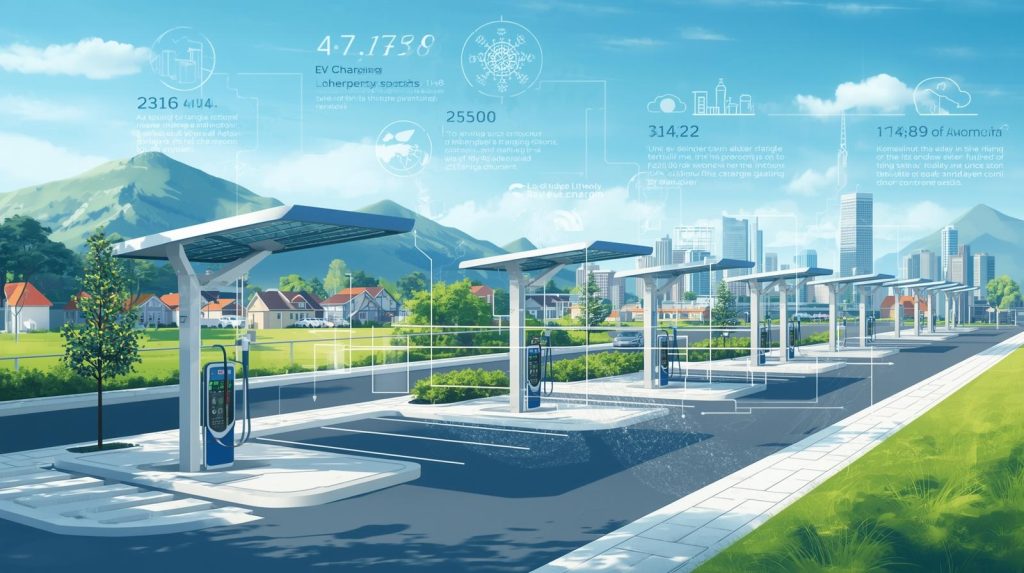
EV charging technology is advancing rapidly.
- Ultra-Fast Charging (350 kW+): Will cut charging time to under 10 minutes.
- Wireless Charging: Already tested in Detroit and Atlanta—charge while parked or even while driving.
- Vehicle-to-Grid (V2G): EVs will act as power banks, feeding electricity back to the grid.
- Renewable Energy Integration: Solar- and wind-powered stations will make charging more eco-friendly.
- Nationwide Coverage by 2030: Millions of chargers will be installed, eliminating range anxiety.
FAQs About EV Charging
Q1. How long does it take to charge an EV?
Level 1: 24–48 hrs | Level 2: 4–10 hrs | Fast Charging: 20–45 min.
Q2. Can I install a charger at home?
Yes, with a 240V outlet. Incentives can reduce installation costs.
Q3. Is home charging cheaper than public charging?
Yes, home charging is usually 70–80% cheaper.
Q4. Are all EV chargers compatible?
Not always—different plug types exist, but Tesla’s NACS is becoming the U.S. standard.
Final Thoughts
Charging an electric vehicle is simpler than it seems once you understand your options. From Level 1 home outlets to DC fast chargers on highways, EV charging is becoming more convenient, affordable, and sustainable every year.
With expanding infrastructure, government incentives, and new technologies, charging will soon be as easy as filling up a gas tank.
For new and existing EV owners, understanding how to charge your vehicle, costs involved, and charging etiquette is key to enjoying the benefits of clean, electric driving.
The future is clear: charging networks will power the next era of transportation.