
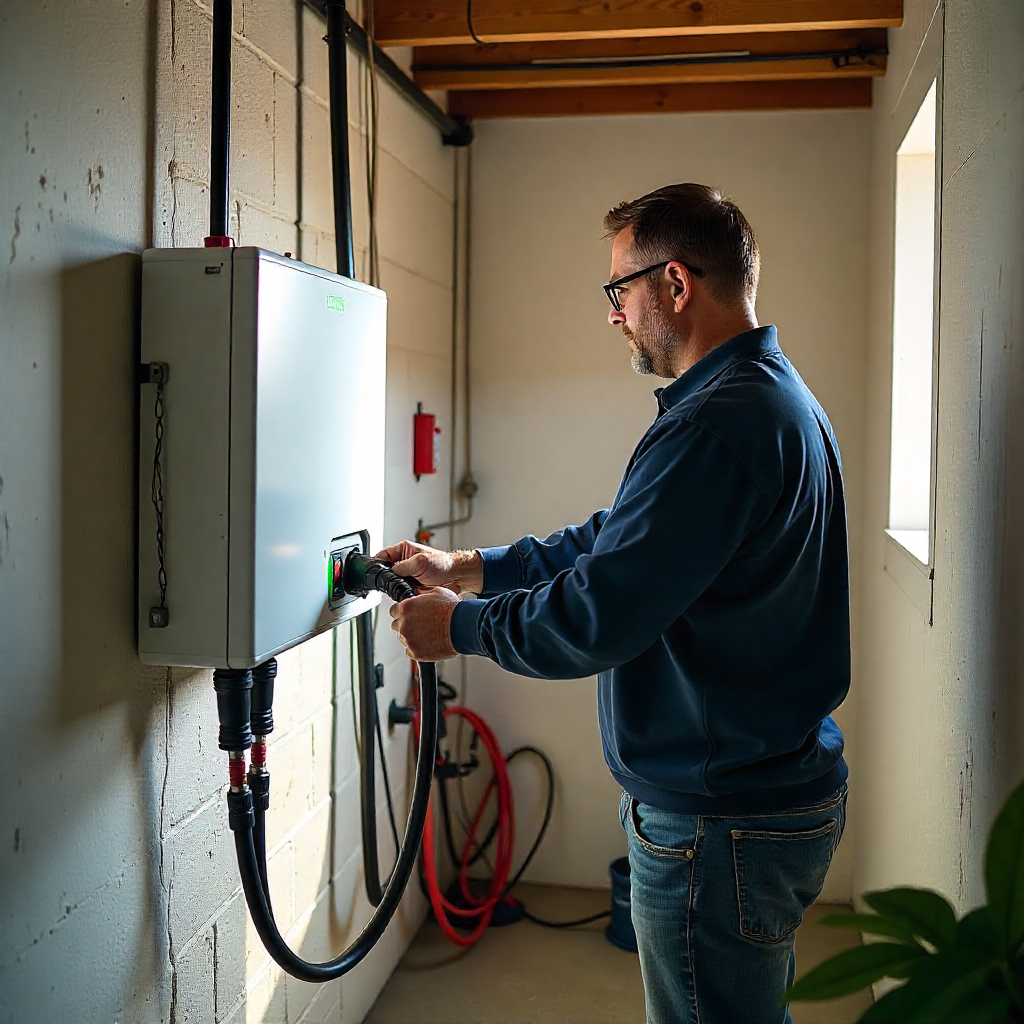
As electric vehicles (EVs) continue to grow in popularity, more homeowners are choosing to install home charging stations for faster, safer, and more convenient charging. However, one question often arises before installation begins: Do You Need a Permit for Home EV Charger Installation?
The short answer is yes — in most cases, a permit is required. But the exact requirements vary depending on your city, state, electrical setup, and the type of charger you’re installing. This detailed guide breaks down everything you need to know before installing a Level 1 or Level 2 home EV charger, including permits, costs, electrical panels, safety rules, and more.
Introduction
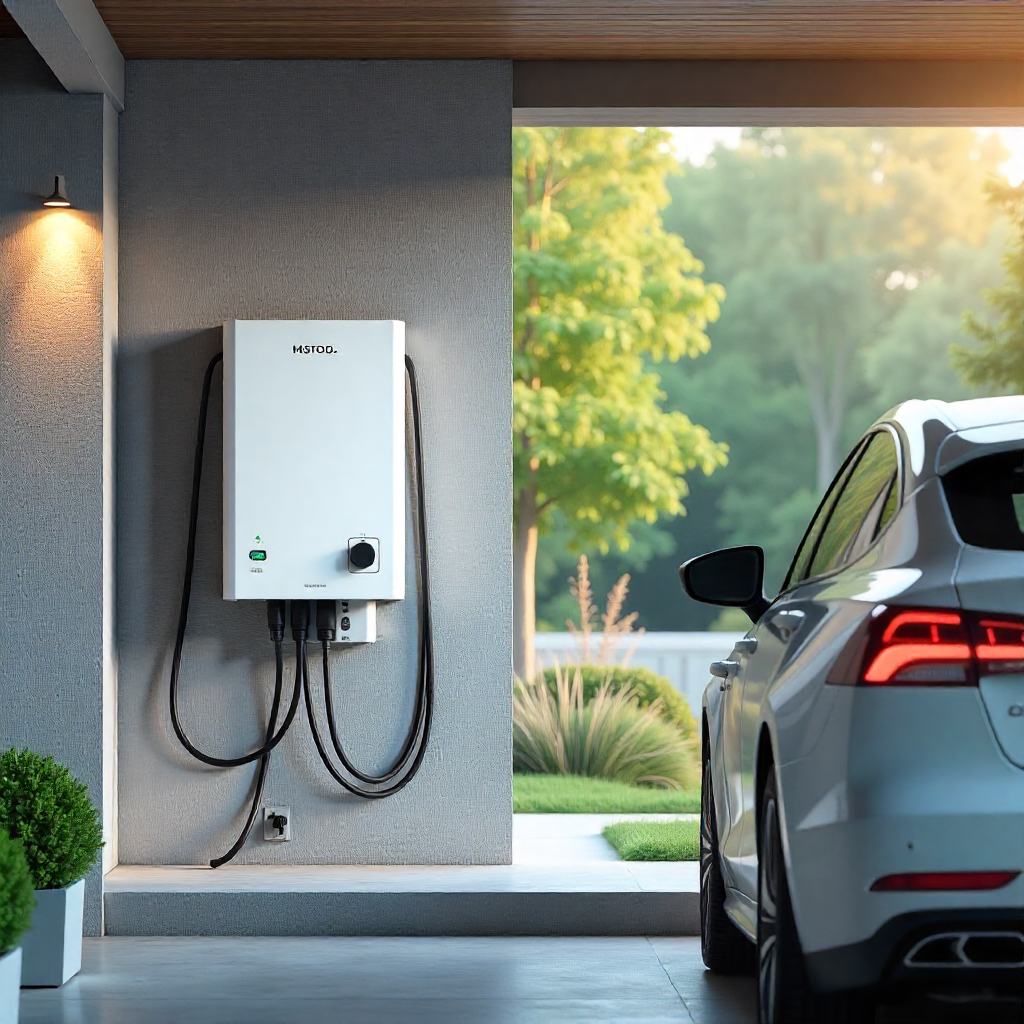
The growing shift toward electric vehicles has created a rising demand for home charging stations. While public EV chargers are available, nothing beats the convenience of charging your car in your garage overnight.
However, installing a home EV charger is more complex than plugging in an appliance. It often involves upgrading your electrical panel, running new wiring, and installing a dedicated circuit. This raises an important question: Do You Need a Permit for Home EV Charger Installation?
Understanding permit rules ensures safety, prevents future legal issues, and keeps your home compliant with electrical codes.
What Is a Home EV Charger?
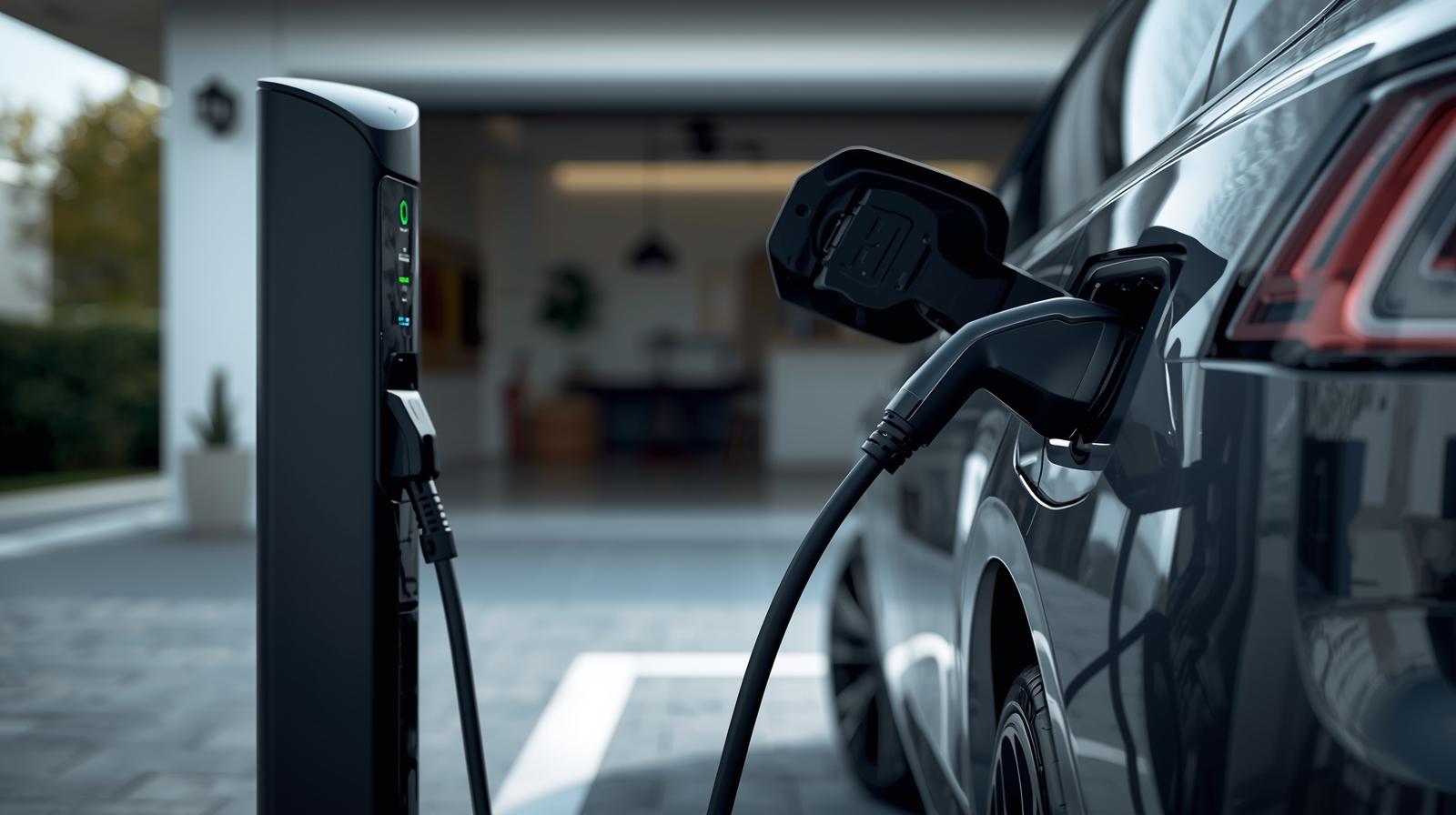
A home EV charger is a residential charging unit that provides electricity to power your electric vehicle. Chargers are mainly two types:
Level 1 Charger
- Uses 120-volt household outlet
- Very slow charging (3–5 miles of range per hour)
- Usually does not require major electrical work
Level 2 Charger
- Uses a dedicated 240-volt circuit
- Fast charging (25–40 miles of range per hour)
- Requires installation, wiring, and sometimes electrical upgrades
Most homeowners want a Level 2 charger, and that’s when permits become necessary.
Do You Need a Permit for Home EV Charger Installation?
Yes. In most U.S. cities and states, you need an electrical permit to install a Level 2 home EV charger.
Why? Because Level 2 chargers require:
- New 240-volt circuits
- Dedicated breakers
- Proper grounding
- Secure installation
- Compliance with safety codes
If you’re installing a simple Level 1 charger, permits are usually not required because you plug it into a standard outlet without modifying your electrical system.
But for Level 2 chargers, permits are mandatory in most areas.
Why Permits Are Required for EV Charger Installations
Installing an EV charger involves serious electrical work. Permits ensure:
Safety
Improper wiring can cause fires, shocks, or damage to your electrical system.
Code Compliance
Cities and states follow the National Electrical Code (NEC) for EV charger installations.
Inspection
An inspector ensures the installation is correct and safe.
Insurance Protection
If a fire occurs and the work was unpermitted, insurance may deny your claim.
Home Resale Requirements
Illegal electrical work can delay or block a home sale.
A permit protects homeowners, electricians, and property.
Level 1 vs. Level 2 Chargers: Which Require Permits?
| Charger Type | Requires Permit? | Why |
|---|---|---|
| Level 1 | No | Uses existing 120-volt outlet |
| Level 2 | Yes | Requires new circuit and wiring |
| Hardwired Chargers | Yes | Permanent installation |
| Portable Plug-in Level 2 | Sometimes | Depends on outlet and wiring modifications |
If you need to install a 240-volt outlet, you will need a permit even for a plug-in Level 2 charger.
Electrical Work Involved in EV Charger Installation
Installing a Level 2 EV charger may require multiple electrical upgrades:
Electrical Panel Upgrade
- Older homes may only have 100-amp panels
- EV chargers often require 40–60 amps
Dedicated Circuit Installation
Your charger needs its own circuit breaker.
240-Volt Outlet Installation
For plug-in Level 2 chargers (NEMA 14-50 or 6-50 outlets).
Hardwiring
Some chargers are permanently wired into the home system.
Wiring From Panel to Charger
Long distances require conduit and proper wiring.
All these require professional knowledge, making permits necessary.
Risks of Installing a Home Charger Without a Permit
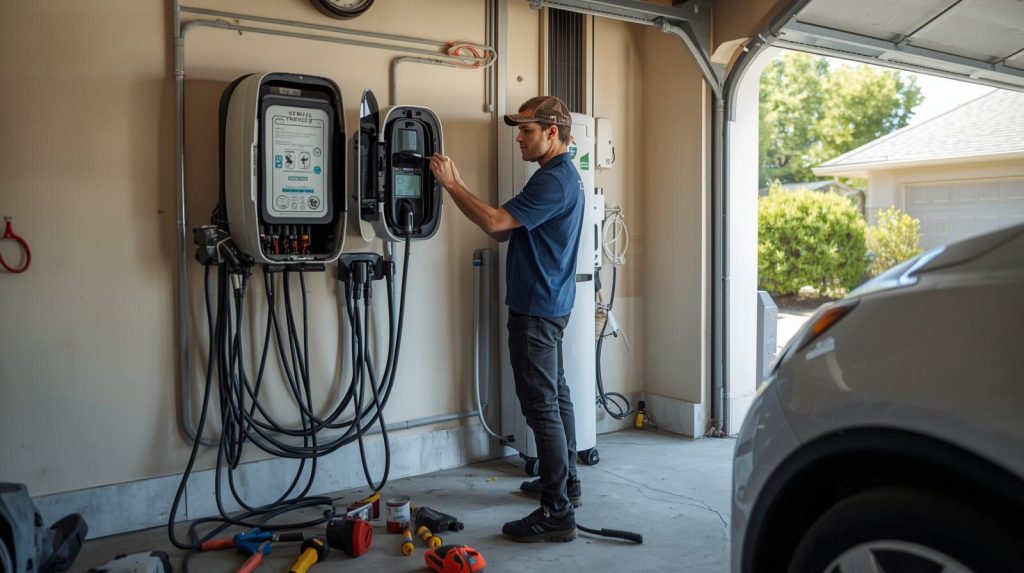
If you skip the permit, the consequences can be serious:
- Electric shock hazards
- Fire risk from overloaded circuits
- Insurance denial
- City fines
- Forced removal of the charger
- Problems during home inspection when selling your house
Skipping a permit might save money upfront, but it can cost much more later.
Typical Permit Requirements by City and State
Permit requirements vary, but most include:
- EV charger installation application
- Electrical panel details
- Charger type and specs
- Wiring diagram
- Installation by a licensed electrician
- Inspection appointment
Some cities require additional documents, like load calculations.
How to Apply for a Permit
Here’s a simple step-by-step guide:
Step 1: Check your local building department website
Search for “electrical permit EV charger your city.”
Step 2: Gather documentation
You may need:
- Charger model
- Electrical panel photo
- Load calculation
- Installation plan
Step 3: Submit application online or in-person
Step 4: Pay the fee
Step 5: Begin installation once approved
Step 6: Schedule inspection
The inspector ensures everything meets code.
How Much Do Permits Cost?
Permit fees vary by city:
- Low-cost areas: $25–$75
- Most cities: $100–$250
- Major metros (LA, NYC, Seattle): $250–$500
If panel upgrades are required, additional permits may be needed.
How Long Does Permit Approval Take?
Typically:
- Simple permit: Same day – 3 days
- Large cities: 1–2 weeks
- Panel upgrades: Up to 3 weeks
Electricians often handle the entire process for you.
Do You Need an Inspection After Installing a Charger?
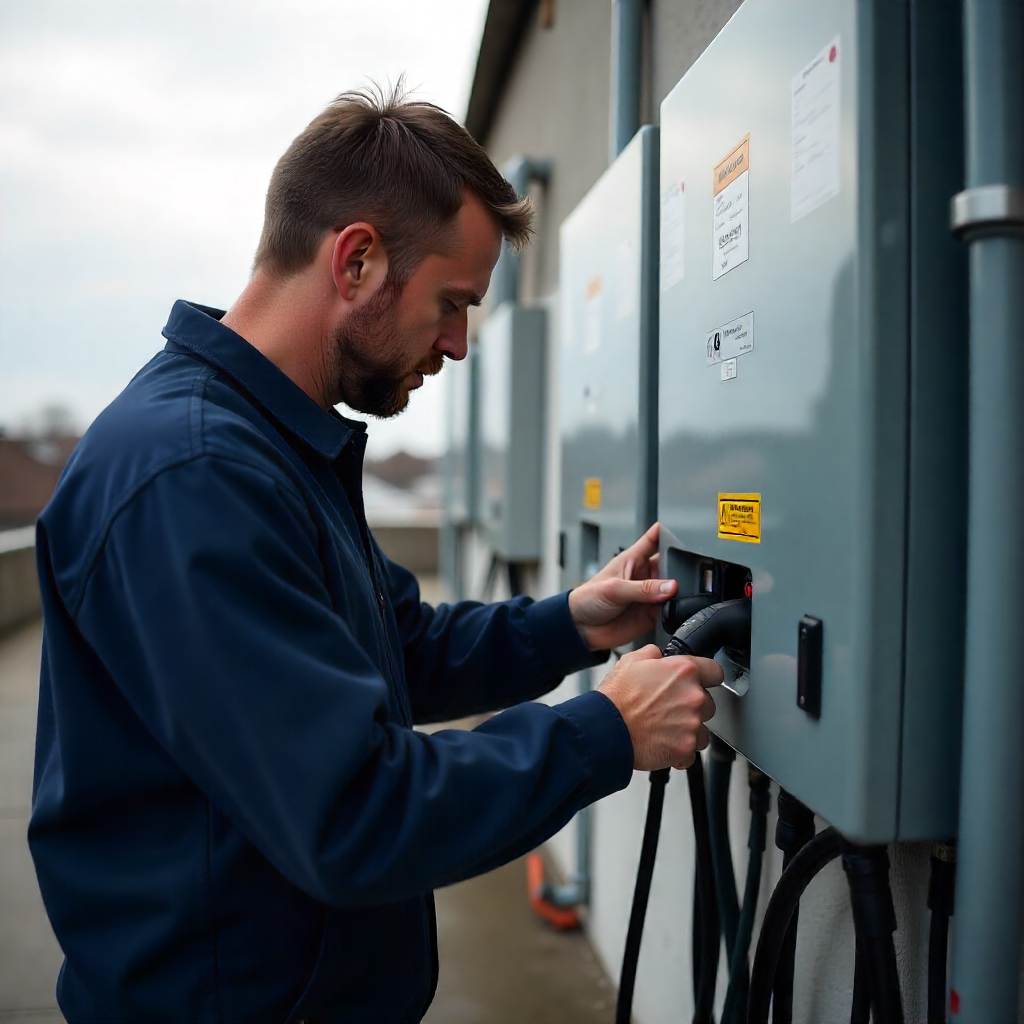
Yes. Almost all permit-approved installations require a final inspection.
The inspector checks:
- Proper wiring
- Correct breaker size
- Safe connections
- Proper mounting
- Compliance with NEC safety codes
Once approved, you’re fully legal and safe.
Who Can Install an EV Charger — DIY or Licensed Electrician?
Most cities require a licensed electrician to perform the installation.
DIY installation is risky because:
- Incorrect wiring can cause fires
- Your permit may be denied
- Warranty may be voided
Hiring a licensed electrician ensures safety and compliance.
Benefits of Getting a Permit
Getting a permit may feel like extra work, but it offers big advantages:
- Legal and safe installation
- Protection from electrical hazards
- Insurance coverage remains valid
- Required for EV rebates in many states
- Higher home resale value
- Peace of mind
A permitted installation is always worth it.
Rebates, Incentives, and Tax Credits
Many states and utilities offer:
- EV charger rebates
- Installation cost incentives
- Tax credits for home charging equipment
Often, you must have a permitted installation to qualify.
Tips for Smooth and Fast EV Charger Installation
- Choose a reputable electrician
- Check your panel capacity before applying
- Decide early between plug-in vs. hardwired charger
- Prepare installation photos for permit submission
- Plan for future EVs by adding a higher amp circuit
Common Mistakes Homeowners Make
- Installing a Level 2 charger without a permit
- Using an unlicensed electrician
- Buying a charger before checking electrical capacity
- Ignoring local codes
- Installing the wrong outlet type
Avoiding these mistakes saves time and money.
FAQs: Do You Need a Permit for Home EV Charger Installation?
1. Do You Need a Permit for Home EV Charger Installation?
Yes. Most Level 2 charger installations require a permit.
2. Can I install a Level 1 charger without a permit?
Yes. Level 1 chargers plug into a regular outlet.
3. Can I install a Level 2 charger myself?
Only if your city allows it — but most require licensed electricians.
4. How long does it take to install an EV charger?
1–4 hours for installation, longer if panel upgrades are needed.
5. Do all cities require permits?
Nearly all U.S. cities require permits for Level 2 chargers.
Conclusion: Do You Need a Permit for Home EV Charger Installation?
So, Do You Need a Permit for Home EV Charger Installation?
In almost every case, yes — especially for Level 2 chargers. Permits ensure your installation is safe, legal, and compliant with electrical codes. They also protect your home, your warranty, and your insurance coverage.
While getting a permit may seem like an extra step, it guarantees peace of mind and helps you avoid costly mistakes. With EV ownership rising, installing a permitted home charger is one of the smartest investments you can make.