
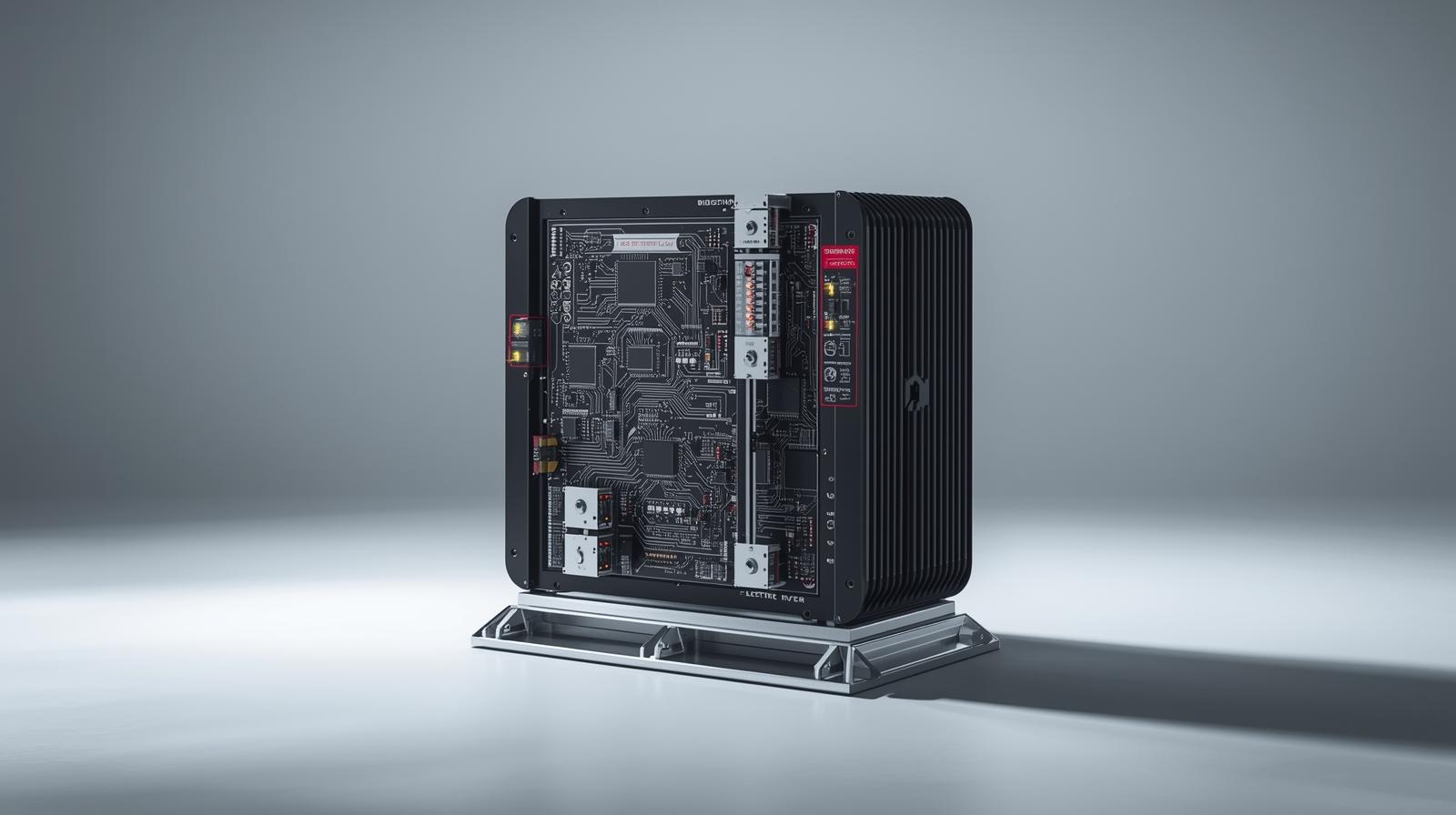
Electric vehicles (EVs) are no longer just a cleaner alternative to internal combustion engine cars—they are rapidly becoming intelligent energy systems on wheels. As EV technology evolves, power electronics play a central role in improving efficiency, safety, and functionality. One of the most critical components enabling this evolution is the bidirectional DC-DC converter for electric vehicle applications.
Unlike traditional unidirectional converters, bidirectional DC-DC converters allow energy to flow in both directions, unlocking advanced features such as regenerative braking optimization, vehicle-to-load (V2L), vehicle-to-grid (V2G), and improved battery management. Understanding how a bidirectional DC-DC converter for electric vehicle works is essential for engineers, EV enthusiasts, and anyone interested in the future of electric mobility.
This comprehensive guide explains the concept, working principle, types, benefits, challenges, and future trends of bidirectional DC-DC converters in electric vehicles.
Understanding Power Conversion in Electric Vehicles
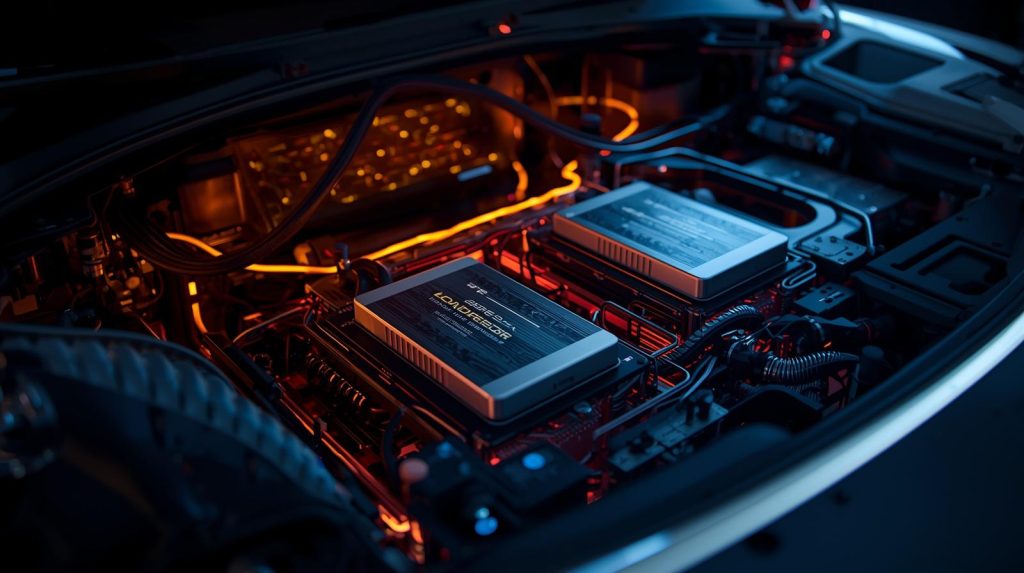
To appreciate the importance of a bidirectional DC-DC converter for electric vehicle, it is essential to understand the EV power architecture.
High-Voltage and Low-Voltage Systems in EVs
Electric vehicles operate with two distinct voltage domains:
- High-voltage system (400V–800V)
Powers the traction motor, inverter, and fast-charging systems. - Low-voltage system (12V or 48V)
Powers lighting, infotainment, sensors, ECUs, safety systems, and auxiliary electronics.
These systems must communicate and exchange energy efficiently—this is where DC-DC converters become essential.
What Is a Bidirectional DC-DC Converter for Electric Vehicle?
A bidirectional DC-DC converter for electric vehicle is a power electronic device that allows controlled energy transfer between two DC voltage levels in both directions.
Key Definition
Unlike a unidirectional converter that only steps voltage down (or up), a bidirectional DC-DC converter can:
- Step high voltage to low voltage
- Step low voltage back to high voltage
This dual functionality makes it a cornerstone of modern and future EV architectures.
Why Bidirectional DC-DC Converter for Electric Vehicle Is Important
The growing complexity of EV systems explains why a bidirectional DC-DC converter for electric vehicle is becoming increasingly important.
1. Enabling Energy Flow in Both Directions
Energy in EVs is no longer a one-way process. Bidirectional converters enable:
- Battery charging and discharging
- Regenerative braking energy recovery
- Power export to external devices or the grid
2. Supporting Regenerative Braking More Efficiently
During regenerative braking:
- The electric motor acts as a generator
- Energy flows back into the battery
A bidirectional DC-DC converter for electric vehicle helps:
- Regulate voltage during energy recovery
- Protect batteries from overvoltage
- Improve overall braking energy efficiency
3. Enabling Vehicle-to-Load (V2L)
V2L allows EVs to power:
- Home appliances
- Tools
- Emergency backup systems
This is only possible because a bidirectional DC-DC converter for electric vehicle manages safe and stable energy flow from the battery to external loads.
4. Enabling Vehicle-to-Grid (V2G)
V2G technology allows EVs to:
- Supply electricity back to the grid
- Act as distributed energy storage units
Bidirectional DC-DC converters play a critical role by:
- Regulating grid-compatible voltage
- Managing two-way energy transfer
- Ensuring grid and vehicle safety
How a Bidirectional DC-DC Converter for Electric Vehicle Works
Step-by-Step Working Principle
- Power Input Detection
The converter senses voltage and current levels on both sides. - Switching Control
Semiconductor switches (MOSFETs or IGBTs) control energy direction. - Voltage Conversion
Inductors or transformers adjust voltage levels. - Energy Regulation
Control algorithms stabilize current and voltage. - Bidirectional Flow
Energy flows either from:- High-voltage → low-voltage, or
- Low-voltage → high-voltage
This intelligent control is what differentiates a bidirectional DC-DC converter for electric vehicle from conventional designs.
Main Components of a Bidirectional DC-DC Converter
A typical bidirectional DC-DC converter for electric vehicle includes:
- Power semiconductor switches
- Inductors or transformers
- Control and gate-drive circuits
- Voltage and current sensors
- Cooling and thermal management systems
- Protection circuits (overcurrent, overvoltage)
Each component is designed for automotive-grade reliability.
Types of Bidirectional DC-DC Converters for Electric Vehicles
Non-Isolated Bidirectional DC-DC Converters
These converters:
- Share a common ground
- Are compact and efficient
- Are used where isolation is not required
Common topologies:
- Buck-boost converters
- Cuk converters
Isolated Bidirectional DC-DC Converters
These converters:
- Use transformers for electrical isolation
- Improve safety
- Are preferred in high-voltage EV applications
Common topologies:
- Dual-active bridge (DAB)
- Full-bridge converters
Advantages of Bidirectional DC-DC Converter for Electric Vehicle
Higher Energy Efficiency
Bidirectional converters reduce energy loss by:
- Optimizing power flow
- Minimizing heat generation
- Improving overall vehicle range
Enhanced Battery Management
They help:
- Balance energy between batteries
- Protect batteries from overcharging
- Extend battery lifespan
Reduced Component Count
A single bidirectional converter can replace:
- Separate step-up and step-down converters
This reduces weight and system complexity.
Support for Advanced EV Features
A bidirectional DC-DC converter for electric vehicle enables:
- Smart charging
- Grid interaction
- Renewable energy integration
Bidirectional DC-DC Converter vs Unidirectional Converter
| Feature | Bidirectional | Unidirectional |
|---|---|---|
| Energy Flow | Two-way | One-way |
| V2G Support | Yes | No |
| Regenerative Braking | Optimized | Limited |
| System Flexibility | High | Low |
| Cost | Higher | Lower |
Role in EV Battery Systems
High-Voltage Battery Interaction
Bidirectional DC-DC converters regulate:
- Charging current
- Discharging current
- Voltage stability
Low-Voltage Battery Support
They also:
- Charge 12V or 48V batteries
- Provide backup power
- Ensure system startup reliability
Thermal Management and Safety
Heat generation is a key challenge in EV electronics.
A bidirectional DC-DC converter for electric vehicle uses:
- Advanced cooling systems
- Thermal sensors
- Intelligent control strategies
Safety features include:
- Electrical isolation
- Fault detection
- Emergency shutdown
Challenges of Bidirectional DC-DC Converter for Electric Vehicle
Despite their advantages, they face challenges such as:
- Complex control algorithms
- Higher initial cost
- Increased design complexity
- Thermal management requirements
Ongoing research continues to address these limitations.
Role in Hybrid and Plug-in Hybrid Vehicles
Bidirectional DC-DC converters are also essential in:
- Hybrid electric vehicles (HEVs)
- Plug-in hybrid electric vehicles (PHEVs)
They manage energy exchange between:
- Internal combustion systems
- Electric propulsion systems
Impact on EV Charging Infrastructure
Bidirectional converters:
- Improve fast-charging stability
- Enable smart grid communication
- Support renewable energy integration
This makes them vital for next-generation EV charging ecosystems.
Bidirectional DC-DC Converter for Electric Vehicle and Sustainability
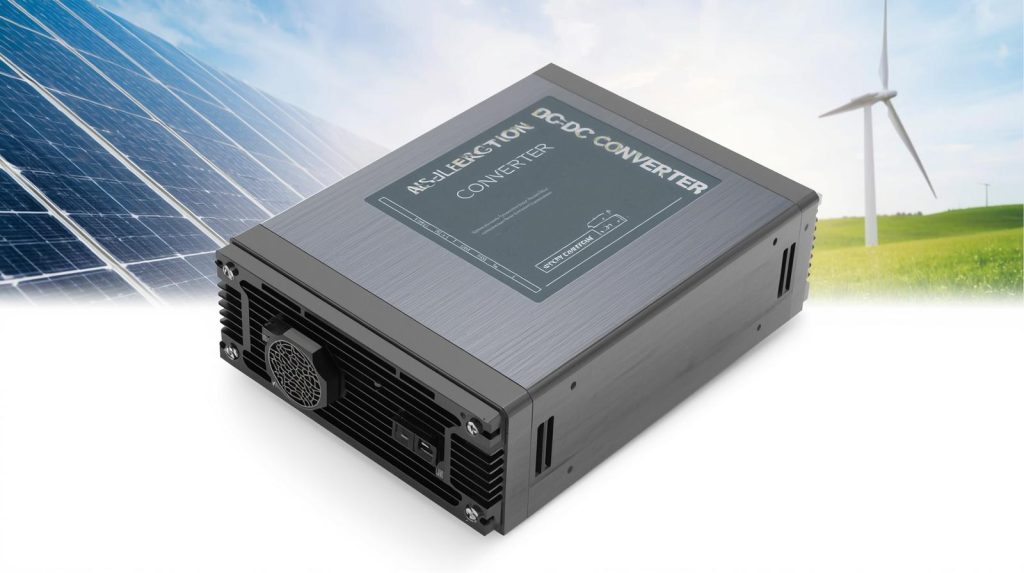
From a sustainability perspective, these converters:
- Reduce energy waste
- Improve grid stability
- Support renewable energy usage
They align perfectly with global clean-energy goals.
Future Trends in Bidirectional DC-DC Converters
The future of bidirectional DC-DC converter for electric vehicle technology includes:
- Wide-bandgap semiconductors (SiC, GaN)
- Higher switching frequencies
- Smaller and lighter designs
- AI-based power management
- Greater integration with smart grids
Real-World Applications
Major EV manufacturers already use bidirectional DC-DC converters in:
- Premium EV models
- Energy-export capable vehicles
- Commercial electric fleets
This trend is expected to become standard across all EV segments.
Why Bidirectional DC-DC Converter for Electric Vehicle Is the Future
As EVs evolve from simple transport machines into mobile energy hubs, the role of the bidirectional DC-DC converter for electric vehicle becomes even more critical.
It enables:
- Intelligent energy flow
- Grid interaction
- Greater efficiency
- Enhanced safety
Conclusion
The bidirectional DC-DC converter for electric vehicle is no longer a luxury—it is a necessity for modern and future electric mobility. By enabling two-way energy transfer, improving efficiency, and supporting advanced applications like V2G and V2L, this technology is redefining how electric vehicles interact with energy systems.
As innovation continues, bidirectional DC-DC converters will remain at the heart of EV power electronics, shaping a smarter, cleaner, and more connected transportation future.
Frequently Asked Questions (FAQs)
1. What is a bidirectional DC-DC converter for electric vehicle?
A bidirectional DC-DC converter for electric vehicle is a power electronics device that allows energy to flow in both directions between high-voltage and low-voltage systems.
2. Why is a bidirectional DC-DC converter important in EVs?
It is important because it enables advanced features like regenerative braking, vehicle-to-grid (V2G), vehicle-to-load (V2L), and efficient battery energy management.
3. How does a bidirectional DC-DC converter work in an electric vehicle?
It uses controlled switching circuits to step voltage up or down, allowing power to move from the main battery to auxiliary systems and back when required.
4. What is the difference between bidirectional and unidirectional DC-DC converters?
A bidirectional DC-DC converter supports two-way energy flow, while a unidirectional converter allows power flow in only one direction.
5. Do all electric vehicles use bidirectional DC-DC converters?
Not all EVs use them yet, but many modern and future EVs include bidirectional DC-DC converters to support smart energy features.
6. Can a bidirectional DC-DC converter charge the EV battery?
Indirectly, yes. It helps regulate energy flow during regenerative braking and grid interaction but does not replace the onboard charger.
7. How does a bidirectional DC-DC converter improve EV efficiency?
It reduces energy loss, optimizes power distribution, and improves battery utilization, which helps extend driving range.
8. Is a bidirectional DC-DC converter safe for electric vehicles?
Yes, it includes protection features like electrical isolation, overcurrent protection, and thermal management to ensure safe operation.
9. What voltage levels does a bidirectional DC-DC converter handle in EVs?
It typically manages voltage conversion between 400V–800V high-voltage systems and 12V or 48V low-voltage systems.
10. Will bidirectional DC-DC converters be standard in future EVs?
Yes, as EVs move toward smart grid integration and energy sharing, bidirectional DC-DC converters are expected to become standard.