
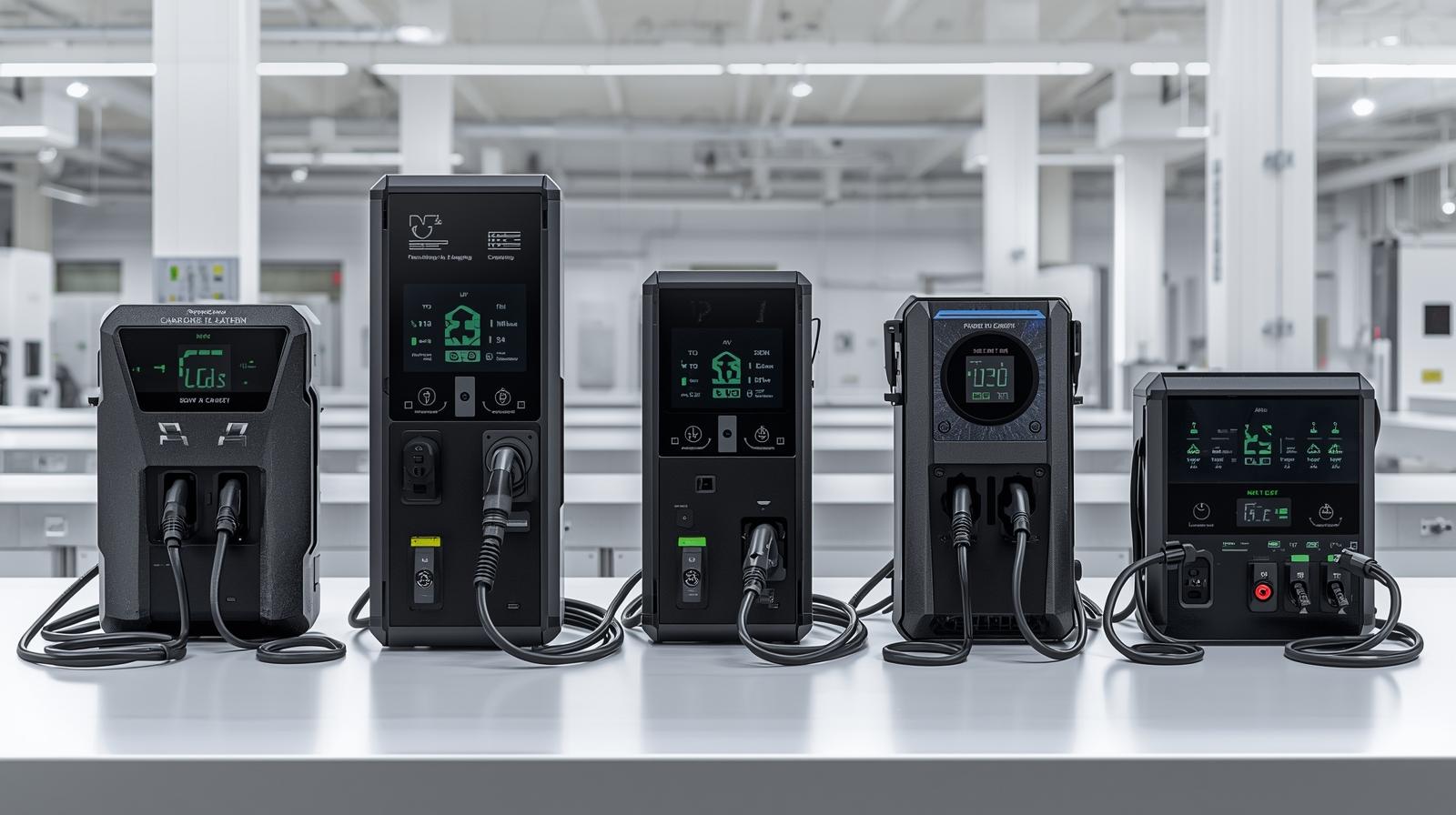
As modern electrical systems evolve—especially in electric vehicles (EVs), renewable energy systems, RVs, marine applications, and industrial electronics—the demand for efficient power conversion has grown rapidly. One technology that plays a central role in this evolution is the DC to DC charger.
Understanding the types of DC to DC chargers is essential for choosing the right solution for battery charging, voltage regulation, and system safety. Each type of DC to DC charger is designed for specific applications, voltage requirements, and battery chemistries.
In this comprehensive guide, we will explore all major types of DC to DC chargers, how they work, where they are used, their advantages, limitations, and how to select the best one for your needs.
What Is a DC to DC Charger?
Before diving into the types of DC to DC chargers, it’s important to define what a DC to DC charger actually is.
A DC to DC charger is an electronic device that converts one level of direct current (DC) voltage to another while safely charging a battery. Unlike basic DC converters, DC to DC chargers actively manage charging stages, regulate current, and protect batteries from damage.
These chargers are commonly used when:
- Input voltage is unstable or fluctuating
- Different battery types or voltages are involved
- Sensitive batteries (like lithium-ion) require precise control
Why Understanding the Types of DC to DC Chargers Matters
Knowing the types of DC to DC chargers helps users:
- Select the correct charger for their system
- Prevent battery overcharging or undercharging
- Improve system efficiency
- Extend battery lifespan
- Ensure safety and compliance with modern standards
Whether you are working with EVs, solar systems, RVs, or off-grid energy setups, choosing the right type of DC to DC charger is critical.
Classification of DC to DC Chargers
The types of DC to DC chargers can be classified based on:
- Voltage conversion method
- Electrical isolation
- Application and use case
- Battery chemistry compatibility
Let’s explore each category in detail.
Buck (Step-Down) DC to DC Chargers
What Is a Buck DC to DC Charger?
A buck DC to DC charger reduces a higher input DC voltage to a lower output voltage. It is one of the most common and efficient types of DC to DC chargers.
How It Works
- Uses high-frequency switching
- Converts high voltage to lower voltage
- Maintains stable output even with input fluctuations
Common Applications
- Electric vehicles (HV battery to 12V system)
- Automotive electronics
- Industrial control systems
- Consumer electronics
Advantages
- High efficiency (often above 90%)
- Compact and lightweight
- Low heat generation
Limitations
- Cannot increase voltage
- Requires correct input voltage range
Boost (Step-Up) DC to DC Chargers
What Is a Boost DC to DC Charger?
A boost DC to DC charger increases a lower input DC voltage to a higher output voltage.
How It Works
- Stores energy in an inductor
- Releases energy at higher voltage
- Regulates output voltage precisely
Common Applications
- Solar systems with low panel voltage
- Portable power stations
- Battery-powered devices
Advantages
- Allows low-voltage sources to power high-voltage systems
- Improves system flexibility
Limitations
- Slightly lower efficiency than buck chargers
- Higher heat generation at high loads
Buck-Boost DC to DC Chargers
What Is a Buck-Boost DC to DC Charger?
A buck-boost DC to DC charger can both increase and decrease voltage, making it one of the most versatile types of DC to DC chargers.
How It Works
- Automatically adjusts voltage up or down
- Maintains constant output voltage
Common Applications
- Automotive systems
- Renewable energy storage
- Portable electronics
Advantages
- Handles wide input voltage ranges
- Ideal for fluctuating power sources
Limitations
- More complex circuitry
- Slightly higher cost
Isolated DC to DC Chargers
What Is an Isolated DC to DC Charger?
An isolated DC to DC charger uses electrical isolation between input and output, typically via a transformer.
Why Isolation Matters
- Prevents electrical noise
- Enhances safety
- Protects sensitive electronics
Common Applications
- Medical equipment
- Industrial systems
- Marine and aerospace electronics
Advantages
- Improved safety
- Reduced electrical interference
Limitations
- Larger size
- Higher cost compared to non-isolated chargers
Non-Isolated DC to DC Chargers
What Are Non-Isolated DC to DC Chargers?
These chargers do not provide electrical separation between input and output.
Common Applications
- Automotive electronics
- Consumer devices
- Cost-sensitive systems
Advantages
- Smaller and lighter
- More affordable
- Higher efficiency
Limitations
- Less protection from electrical faults
- Not suitable for high-risk environments
Automotive DC to DC Chargers
Purpose
Automotive DC to DC chargers are designed specifically for vehicles, including ICE vehicles, hybrids, and EVs.
Key Features
- Wide input voltage tolerance
- Vibration resistance
- Thermal protection
Applications
- Charging auxiliary batteries
- Supporting onboard electronics
- EV power management
EV-Specific DC to DC Chargers
Role in Electric Vehicles
EV DC to DC chargers convert:
- High-voltage battery (400V–800V)
- To low-voltage systems (12V or 48V)
Importance
Without this charger, EV lighting, safety systems, and infotainment would not function.
Solar DC to DC Chargers
Designed for Renewable Energy
Solar DC to DC chargers handle:
- Fluctuating solar panel voltage
- Battery charging optimization
Benefits
- Improved energy harvesting
- Stable battery charging
- Enhanced system reliability
Smart DC to DC Chargers
What Makes Them “Smart”?
Smart chargers use:
- Microcontrollers
- Sensors
- Communication protocols
Features
- Adaptive charging profiles
- Bluetooth or app control
- Real-time monitoring
Multi-Stage DC to DC Chargers
Charging Stages
These chargers support:
- Bulk charging
- Absorption charging
- Float charging
Importance
Multi-stage charging is essential for battery health and longevity.
DC to DC Chargers by Battery Type Compatibility
Lead-Acid Chargers
- Designed for traditional batteries
- Prevent sulfation
AGM and Gel Chargers
- Precise voltage limits
- Reduced overcharging risk
Lithium DC to DC Chargers
- Tight voltage control
- Temperature monitoring
- No float charging in many cases
Efficiency and Thermal Management
Modern types of DC to DC chargers achieve:
- 90–98% efficiency
- Advanced heat dissipation
- Compact designs
Efficient thermal management improves safety and lifespan.
Safety Features Across DC to DC Chargers
Common protections include:
- Overvoltage protection
- Overcurrent protection
- Short-circuit protection
- Thermal shutdown
- Reverse polarity protection
These features ensure safe operation in demanding environments.
How to Choose the Right Type of DC to DC Charger
When selecting from the various types of DC to DC chargers, consider:
- Input voltage range
- Output voltage and current
- Battery chemistry
- Efficiency rating
- Environmental conditions
- Safety certifications
Future Trends in DC to DC Charging Technology
The future of types of DC to DC chargers includes:
- Higher power densities
- Integration with AI-based battery management
- Support for solid-state batteries
- Enhanced communication and monitoring
Conclusion: Why Understanding the Types of DC to DC Chargers Is Essential
Understanding the types of DC to DC chargers is crucial in today’s energy-driven world. From electric vehicles and solar systems to industrial electronics and marine applications, DC to DC chargers ensure safe, efficient, and reliable power conversion.
Each type serves a specific purpose, and choosing the right one can dramatically improve system performance, battery lifespan, and safety. As technology advances, DC to DC chargers will continue to play a foundational role in modern power systems.
Frequently Asked Questions (FAQs)
1. What are the main types of DC to DC chargers?
The main types of DC to DC chargers include buck (step-down), boost (step-up), buck-boost, isolated, non-isolated, automotive, EV-specific, and solar DC to DC chargers.
2. What is the difference between buck and boost DC to DC chargers?
A buck DC to DC charger reduces voltage, while a boost DC to DC charger increases voltage to meet battery or system requirements.
3. Which type of DC to DC charger is best for electric vehicles?
EV-specific DC to DC chargers are best for electric vehicles because they safely convert high-voltage battery power to low-voltage systems like 12V or 48V.
4. What are isolated DC to DC chargers used for?
Isolated DC to DC chargers are used in applications requiring electrical safety and noise reduction, such as medical, marine, and industrial systems.
5. Are non-isolated DC to DC chargers safe?
Yes, non-isolated DC to DC chargers are safe for low-risk applications like automotive electronics and consumer devices when installed correctly.
6. What type of DC to DC charger is used in solar power systems?
Solar DC to DC chargers are used to regulate fluctuating solar voltage and safely charge batteries with high efficiency.
7. Can one DC to DC charger support different battery types?
Yes, smart and multi-stage DC to DC chargers can support lead-acid, AGM, gel, and lithium batteries by adjusting charging profiles.
8. What is a buck-boost DC to DC charger?
A buck-boost DC to DC charger can both increase and decrease voltage, making it ideal for systems with fluctuating input voltage.
9. Do DC to DC chargers improve battery lifespan?
Yes, DC to DC chargers improve battery lifespan by regulating voltage, controlling current, and preventing overcharging or overheating.
10. How do I choose the right type of DC to DC charger?
Choose the right DC to DC charger based on input voltage range, output current, battery chemistry, efficiency, and application requirements.