
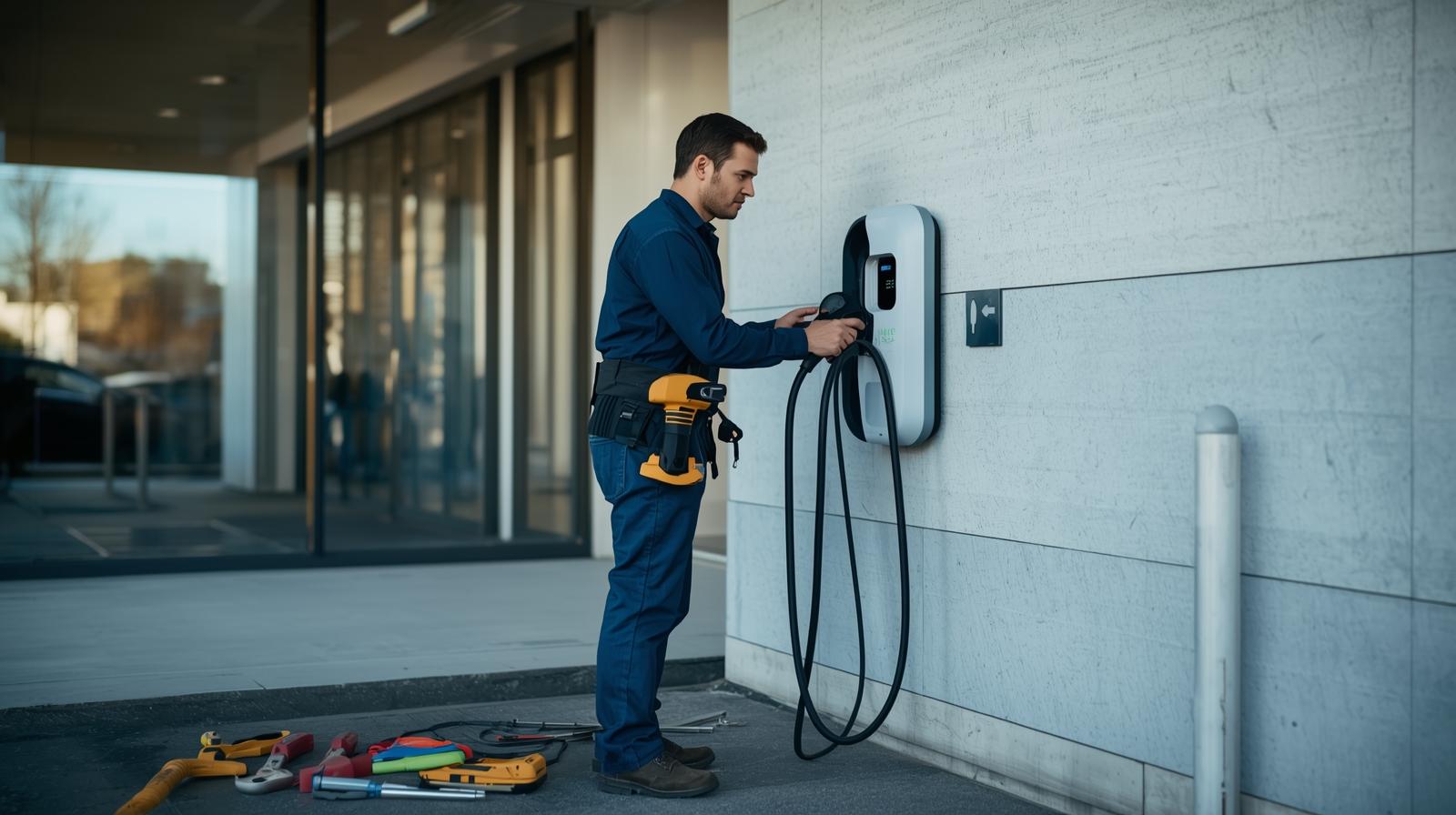
As electric vehicles (EVs) continue to dominate the automotive world, home EV charger installation has quickly become a top priority for new and existing EV owners. Charging at home is convenient, efficient, and far cheaper than relying solely on public charging. But one common question arises: Why do you need a professional for EV charger installation?
This comprehensive guide explains why professional installation matters, the risks of DIY installation, the benefits of hiring certified electricians, cost factors, safety concerns, code compliance requirements, and how professional installation protects your home—and your investment.
If you’re planning to install a Level 2 charger or upgrade your electrical panel, understanding why do you need a professional for EV charger installation will help you avoid costly mistakes, stay safe, and ensure long-term reliability.
Introduction
Installing an EV charger at home is one of the most important steps for EV ownership. Charging your vehicle overnight saves time, eliminates range anxiety, and keeps your EV ready for daily use. But while EV chargers may seem simple, the electrical work behind them is not.
This brings up a vital question: Why do you need a professional for EV charger installation? The answer lies in safety, code compliance, warranty protection, and long-term performance.
What Is a Home EV Charger?
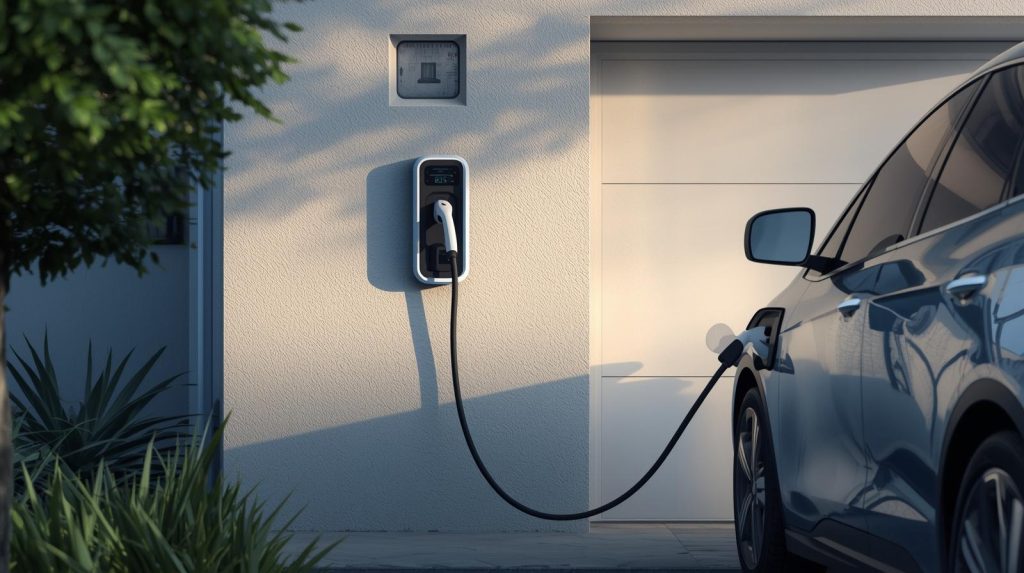
A home EV charger is a residential charging device that allows electric vehicle owners to safely and conveniently charge their car at home. Understanding what is a home EV charger helps drivers choose the right charging level, improve charging speed, and reduce dependency on public stations. With options like Level 1 and Level 2 chargers, homeowners can enjoy faster charging, lower costs, and the convenience of powering their EV overnight.
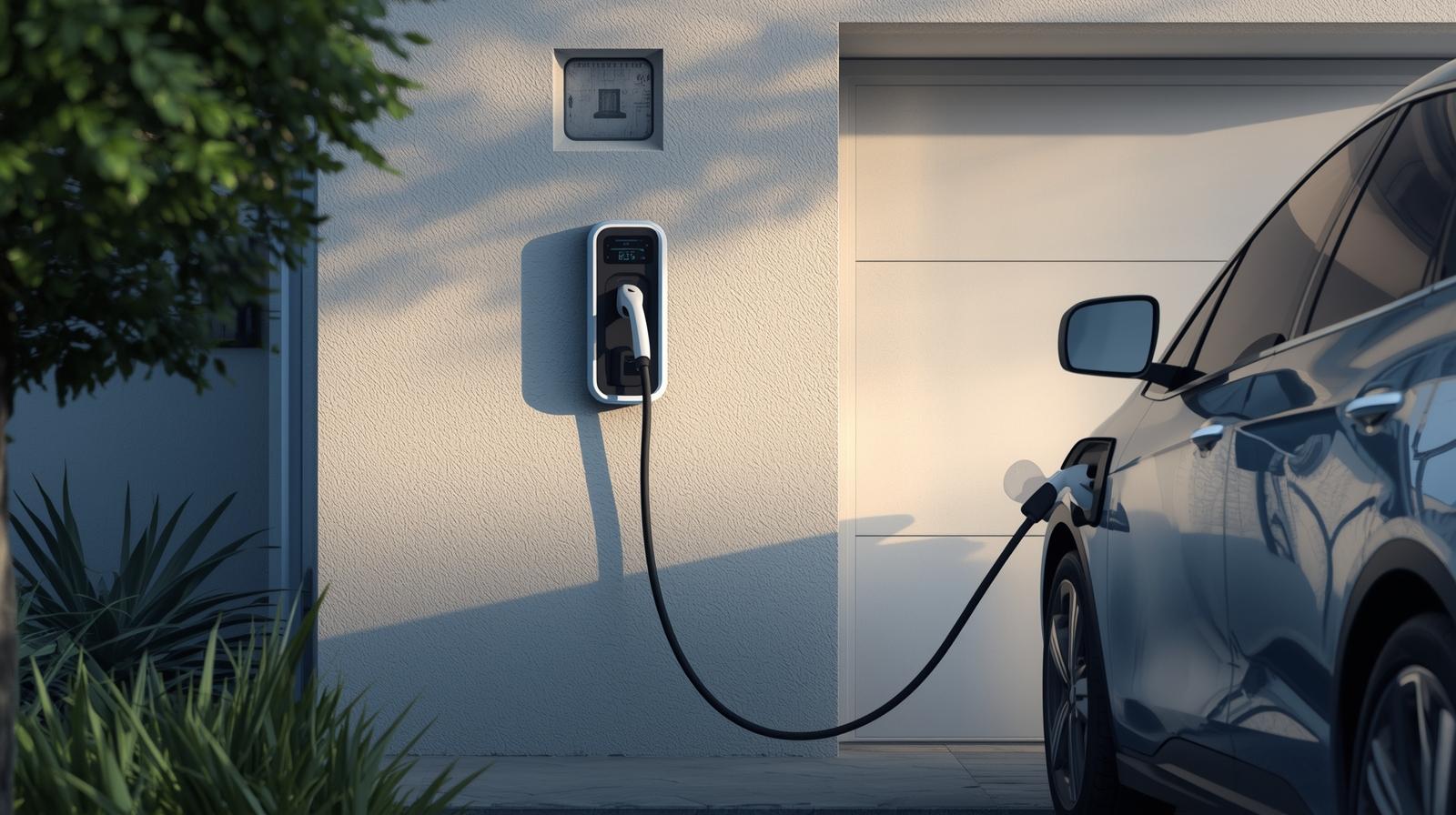
A home EV charger—also known as EVSE (Electric Vehicle Supply Equipment)—delivers controlled electricity to your EV battery.
It must be installed correctly to avoid electrical hazards, ensure efficient power delivery, and protect your home’s wiring system.
Types of EV Chargers
Level 1 Charger (120V)
- Comes with the car
- Slow charging
- Plugs into a standard outlet
Level 2 Charger (240V)
- Requires professional installation
- 3–10x faster than Level 1
- Requires dedicated 240V electrical circuit
Because Level 2 chargers require high voltage and a dedicated breaker, professional installation is almost always necessary.
Why Do You Need a Professional for EV Charger Installation?
Let’s address the key question directly: Why do you need a professional for EV charger installation?
Because installing a Level 2 charger involves electrical work that requires expertise, permits, safety testing, and proper system design.
Professionals ensure:
Safe wiring
Proper voltage supply
Code compliance
Fire prevention
Warranty validity
Optimal charging performance
DIY installation risks electrical shock, fire hazards, code violations, and expensive repairs.
Safety Risks of DIY Installation
A major reason why you need a professional for EV charger work is safety.
DIY attempts can lead to:
- Electrical fires
- Circuit overload
- Shock hazards
- Melted wires
- Short circuits
EV chargers pull large amounts of continuous power, so even a small wiring mistake can be extremely dangerous.
Electrical Code Requirements
Every state or region has strict electrical codes designed to prevent hazards.
EV charger installation requires compliance with:
- NEC (National Electric Code)
- Local building codes
- Permit requirements
Most homeowners are unaware of these codes—another reason why you need a professional for EV charger installation.
Benefits of Hiring a Certified EV Charger Installer
Here are the key benefits:
1. Safety Assurance
Professionals are trained to handle high-voltage systems.
2. Code Compliance
They install chargers according to local and national standards.
3. Correct Charger Sizing
They ensure your electrical system can support Level 2 charging.
4. Warranty Protection
Most EV charger brands require certified installation.
5. Long-Term Performance
Proper installation ensures reliable, fast charging.
6. Preventing Property Damage
Incorrect wiring can destroy appliances, outlets, or even your EV.
How Professional Installation Protects Your Warranty
Many EV charger manufacturers explicitly state:
“If installed incorrectly or without a certified electrician, the warranty is void.”
EV brands like Tesla, ChargePoint, JuiceBox, and Wallbox often require professional installation.
Home Electrical Load Assessment
Before installing a charger, a professional performs a load calculation, checking:
- Panel capacity
- Existing appliances
- Peak load usage
- Available breaker space
This determines whether your home can handle the charger safely.
Panel Upgrades and 240V Requirements
Most homes need:
- A dedicated 240V circuit
- A 40–60 amp breaker
- Proper wire sizing
Professionals evaluate whether your panel requires an upgrade.
DIY installers rarely understand wire gauge or breaker compatibility—another reason why do you need a professional for EV charger installation.
Cost of Professional EV Charger Installation
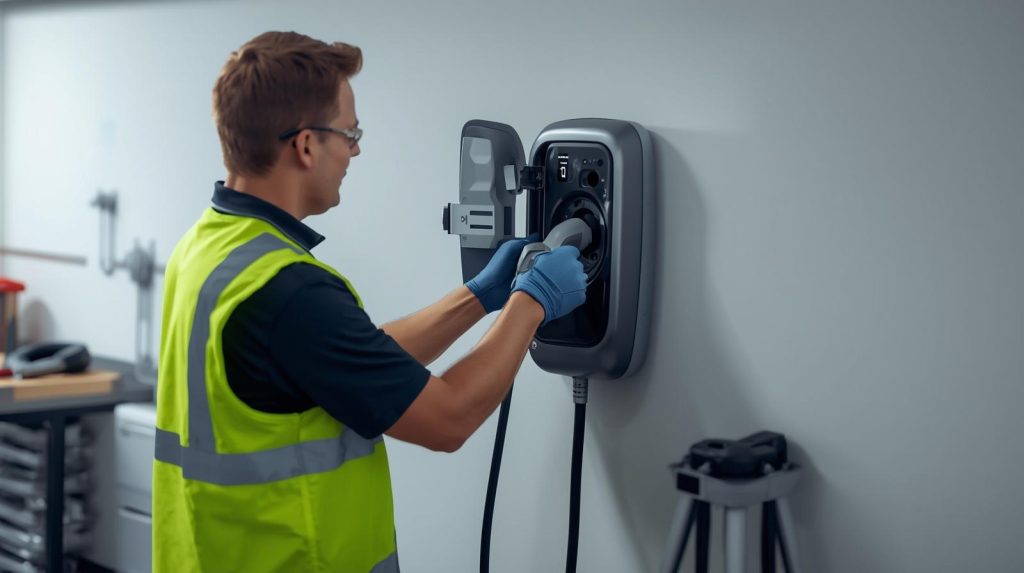
Average costs:
- Basic Installation: $400–$700
- Long Wiring Runs: $700–$1,500
- Panel Upgrade: $1,500–$3,500
- Trenching for outdoor chargers: $1,000+
Even though DIY may seem cheaper, mistakes can cost thousands in repairs.
Inspection, Permit, and Compliance
Licensed electricians handle:
- Permits
- City inspections
- Compliance reports
- Safety testing
This ensures your installation is legal and safe.
Common Problems Avoided by Hiring a Professional
You avoid:
Overheating circuits
Charging interruptions
Breaker tripping
Fire hazards
Poor charging speeds
Voltage fluctuations
Broken EV onboard chargers
This alone explains why you need a professional for EV charger installation.
What Happens During Professional Installation
A certified electrician will:
- Inspect the electrical panel
- Perform load evaluation
- Choose correct wiring and breaker size
- Install a dedicated circuit
- Mount the charger safely
- Test voltage and charging speed
- Ensure code compliance
- Provide documentation & warranty support
How to Choose the Right Installer
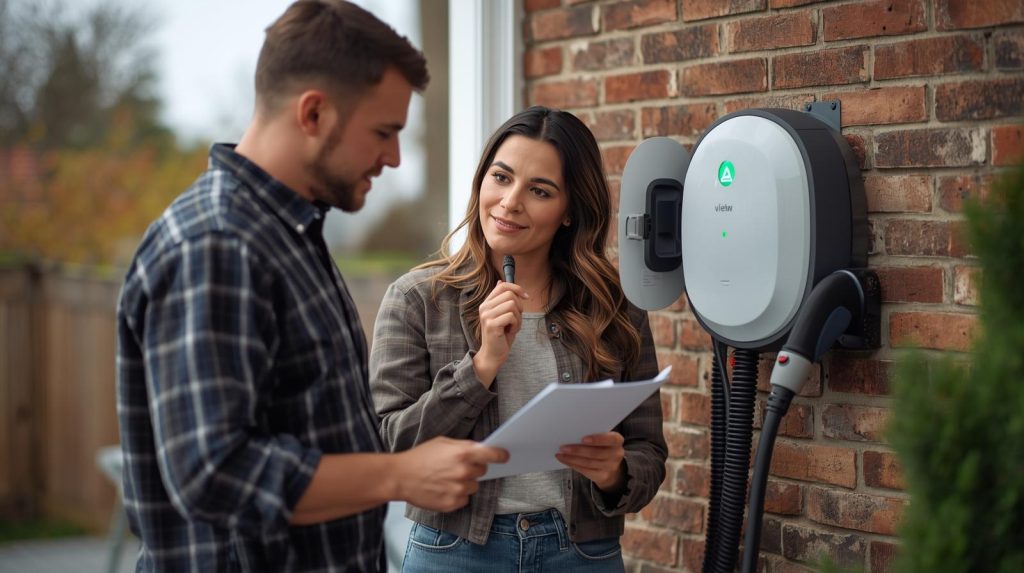
Look for:
- Licensed electricians
- Experience with EV chargers
- Positive reviews
- Insured professionals
- Knowledge of local codes
- Manufacturer-certified installers (Tesla, ChargePoint, etc.)
EV Charger Brands That Require Certified Installers
Many top brands recommend or require professional installation:
- Tesla Wall Connector
- ChargePoint Home Flex
- JuiceBox
- Blink
- Wallbox Pulsar Plus
- Emporia
- SemaConnect
Using a professional avoids voided warranties and system problems.
FAQs
Q1. Can I install a Level 2 charger myself?
It is strongly discouraged. Level 2 chargers require high-voltage wiring and must follow electrical codes.
Q2. Do I need a permit for EV charger installation?
In most regions, yes. A professional handles the entire permit process.
Q3. How long does professional installation take?
Typically 2–4 hours, depending on wiring and panel capacity.
Q4. Can EV charger installation increase my home’s value?
Yes. Homes with Level 2 chargers are more attractive to buyers.
Q5. Is professional installation required for warranties?
Many EV charger brands require it for warranty validity.
Conclusion:
So, why do you need a professional for EV charger installation?
Because EV chargers draw high power, require expert electrical knowledge, and must comply with strict safety codes. A professional installer ensures your charger works efficiently, safely, and reliably without risking your home’s electrical system or your EV.
From proper wiring to panel upgrades, safety testing, and code compliance, professional installation is the smartest and safest choice. Investing in expert service protects your home, prevents electrical hazards, and guarantees long-term performance.
If you want to enjoy fast, safe, and reliable home charging, hiring a certified professional is not just recommended—it’s essential.