

Electric Cars are transforming the way we think about driving. They represent a cleaner, smarter, and more sustainable future of transportation. But have you ever wondered how Electric Cars actually work? What makes them different from traditional gasoline vehicles, and how do they turn electricity into motion so efficiently?
In this comprehensive guide, we’ll break down everything you need to know about how Electric Cars work, including their key components, working mechanism, charging process, and environmental benefits. Whether you’re a new EV owner or just curious about the technology behind them, this article will give you a clear and complete understanding.
What is an Electric Vehicle (EV)?
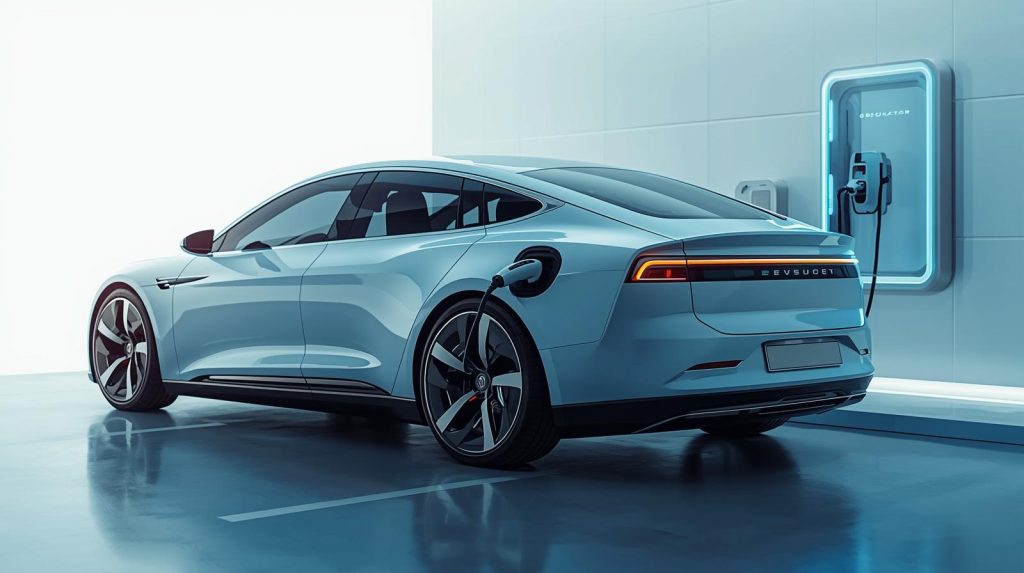
An Electric Car (EV) is a type of vehicle that runs on electric power instead of gasoline or diesel. Unlike conventional vehicles that use internal combustion engines, Electric Cars are powered by electric motors that draw energy from rechargeable batteries.
These batteries store electricity, which is converted into mechanical energy to move the car. Since there’s no burning of fuel, Electric Cars produce zero tailpipe emissions, making them environmentally friendly and energy-efficient.
The main goal of an Electric Vehicle is to reduce reliance on fossil fuels, minimize pollution, and offer a sustainable solution for the future of mobility.
Key Components of an Electric Car
Understanding how Electric Cars work starts with knowing their essential components. Each part plays a unique role in converting electrical energy into motion.
1. Battery Pack
The battery pack is the heart of every Electric Car. It stores the electrical energy that powers the vehicle. Most modern EVs use lithium-ion batteries because they are lightweight, rechargeable, and have high energy density. The larger the battery, the longer the car’s range.
2. Electric Motor
Instead of a gasoline engine, Electric Cars use an electric motor to drive the wheels. The motor converts electrical energy from the battery into mechanical power. It provides instant torque, delivering smooth and rapid acceleration without the noise of traditional engines.
3. Inverter
The inverter converts direct current (DC) from the battery into alternating current (AC), which powers the electric motor. It also plays a role in regenerative braking by converting the motor’s AC energy back into DC to recharge the battery.
4. Power Electronics Controller
This system manages how much power is sent from the battery to the motor, based on how you press the accelerator. It ensures efficiency, safety, and balanced energy usage throughout the drive.
5. Charging Port
The charging port is where you plug in your Electric Car to recharge the battery. EVs can be charged at home, at public stations, or at DC fast chargers for quick top-ups.
6. Transmission
Most Electric Cars have a single-speed transmission, meaning they don’t need multiple gears. This makes driving smoother and simpler compared to traditional vehicles.
7. Thermal Management System
Batteries and motors perform best within a certain temperature range. The thermal management system keeps the components cool to maintain performance and prevent overheating.
How Do Electric Cars Work?
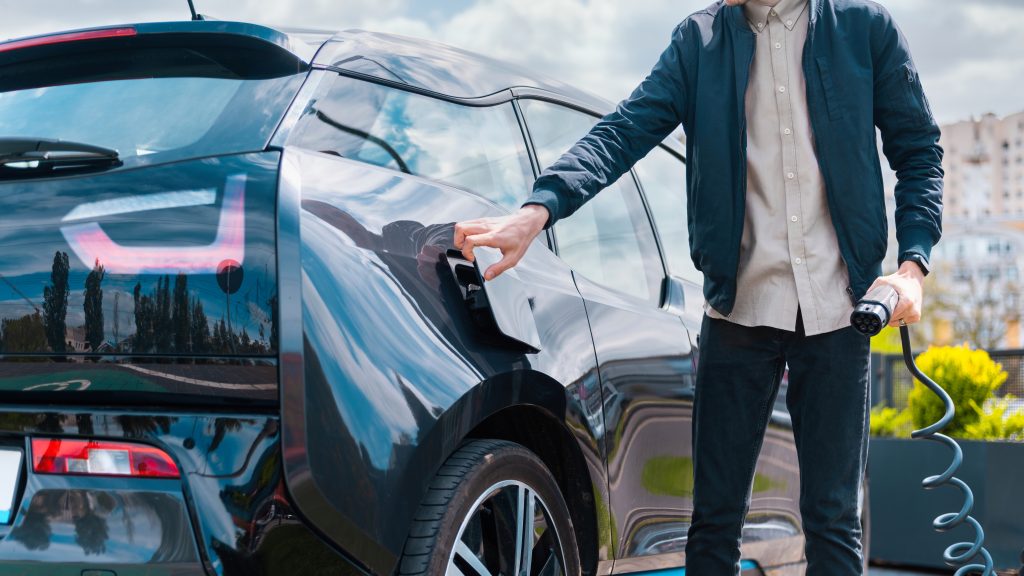
The working of an Electric Car is both simple and sophisticated. Here’s a step-by-step explanation of how power flows through an EV:
- Electricity is stored in the car’s battery pack.
- When you press the accelerator, the controller draws power from the battery.
- The inverter converts DC electricity into AC power for the motor.
- The electric motor uses this energy to turn the wheels and move the vehicle.
- When the car slows down, the regenerative braking system captures energy from the motion and sends it back to recharge the battery.
This efficient energy cycle allows Electric Cars to utilize nearly 90% of the energy from the battery to power the wheels — compared to only about 25–30% in gasoline engines.
Regenerative Braking System
One of the most innovative features of Electric Cars is regenerative braking. When you brake or decelerate, the electric motor reverses its function, acting as a generator. Instead of wasting kinetic energy as heat (like in traditional brakes), the system converts it into electricity and feeds it back into the battery.
This not only improves efficiency but also helps extend the driving range and reduce brake wear, saving maintenance costs over time.
Types of Electric Vehicles
There are different types of Electric Cars available today, each using electricity in slightly different ways:
1. Battery Electric Vehicles (BEVs)
BEVs are fully electric — they run entirely on battery power and produce zero emissions. Examples include Tesla Model 3, Nissan Leaf, and Chevy Bolt.
2. Plug-in Hybrid Electric Vehicles (PHEVs)
PHEVs combine an electric motor with a gasoline engine. You can charge them externally, and they can switch between electric mode and fuel mode for extended range. Examples include Toyota Prius Prime and Hyundai Ioniq Plug-in.
3. Hybrid Electric Vehicles (HEVs)
HEVs cannot be plugged in. They recharge their batteries through regenerative braking and the internal combustion engine. Examples include Toyota Prius Hybrid and Honda Insight.
4. Fuel Cell Electric Vehicles (FCEVs)
FCEVs use hydrogen gas to produce electricity through a fuel cell, emitting only water vapor. Examples include Toyota Mirai and Hyundai Nexo.
How do Electric Cars works and Charged
Charging is an essential part of EV ownership. Electric Cars can be charged using different levels of chargers depending on speed and convenience.
1. Level 1 Charging (Standard Outlet)
- Uses a regular 120V household outlet.
- Adds about 3–5 miles of range per hour.
- Best for overnight charging or low daily mileage.
2. Level 2 Charging (Home & Public Stations)
- Uses a 240V outlet (like those for dryers).
- Adds 20–30 miles of range per hour.
- Ideal for home or workplace charging.
3. DC Fast Charging
- Uses high-powered DC current.
- Can charge up to 80% in 30 minutes.
- Common along highways and for long trips.
The choice of charging level depends on how frequently you drive and your access to public charging stations.
Environmental Benefits of Electric Cars
Electric Cars are a major step toward reducing global pollution and fighting climate change. Here’s why they’re better for the planet:
- Zero Tailpipe Emissions: No harmful exhaust gases like CO₂ or nitrogen oxides.
- Cleaner Energy Use: When charged from renewable sources, they become nearly carbon-free.
- Energy Efficiency: Electric Cars convert about 90% of energy into movement, while gas engines waste most energy as heat.
- Reduced Noise Pollution: Quieter motors contribute to peaceful cities.
- Lower Resource Consumption: EVs require less frequent maintenance and fewer fluids.
By choosing Electric Cars, drivers help promote a cleaner and greener future for the environment.
Cost and Maintenance Benefits
While the upfront cost of an Electric Car may be higher, the long-term savings are significant.
- Lower Fuel Costs: Electricity is cheaper than gasoline per mile.
- Less Maintenance: No oil changes, fewer moving parts, and reduced brake wear.
- Government Incentives: Many regions offer tax credits, rebates, and discounts for EV purchases.
- Higher Efficiency: EVs use energy more effectively, reducing lifetime ownership costs.
Over a few years, an Electric Car can save thousands of dollars in operating expenses compared to a gas-powered car.
The Role of Software and Smart Technology
Modern Electric Cars are as much about software as they are about hardware. Advanced Battery Management Systems (BMS) optimize energy use, monitor battery health, and extend lifespan. Over-the-air (OTA) updates improve vehicle performance and even add new features.
Many EVs also include smart navigation, allowing drivers to locate nearby charging stations, plan efficient routes, and estimate range based on driving habits.
The Future of Electric Cars
The future of Electric Cars looks bright and revolutionary. With rapid advancements in battery technology, solid-state batteries, and wireless charging, EVs are becoming more practical and accessible.
By 2030, experts predict that over 60% of new vehicles sold will be electric, thanks to government policies, lower battery costs, and increasing consumer demand. Automakers worldwide are investing heavily in EV production, promising better range, faster charging, and smarter connectivity.
The shift toward electric mobility is not just about cars — it’s about creating a sustainable transportation ecosystem that benefits both people and the planet.