
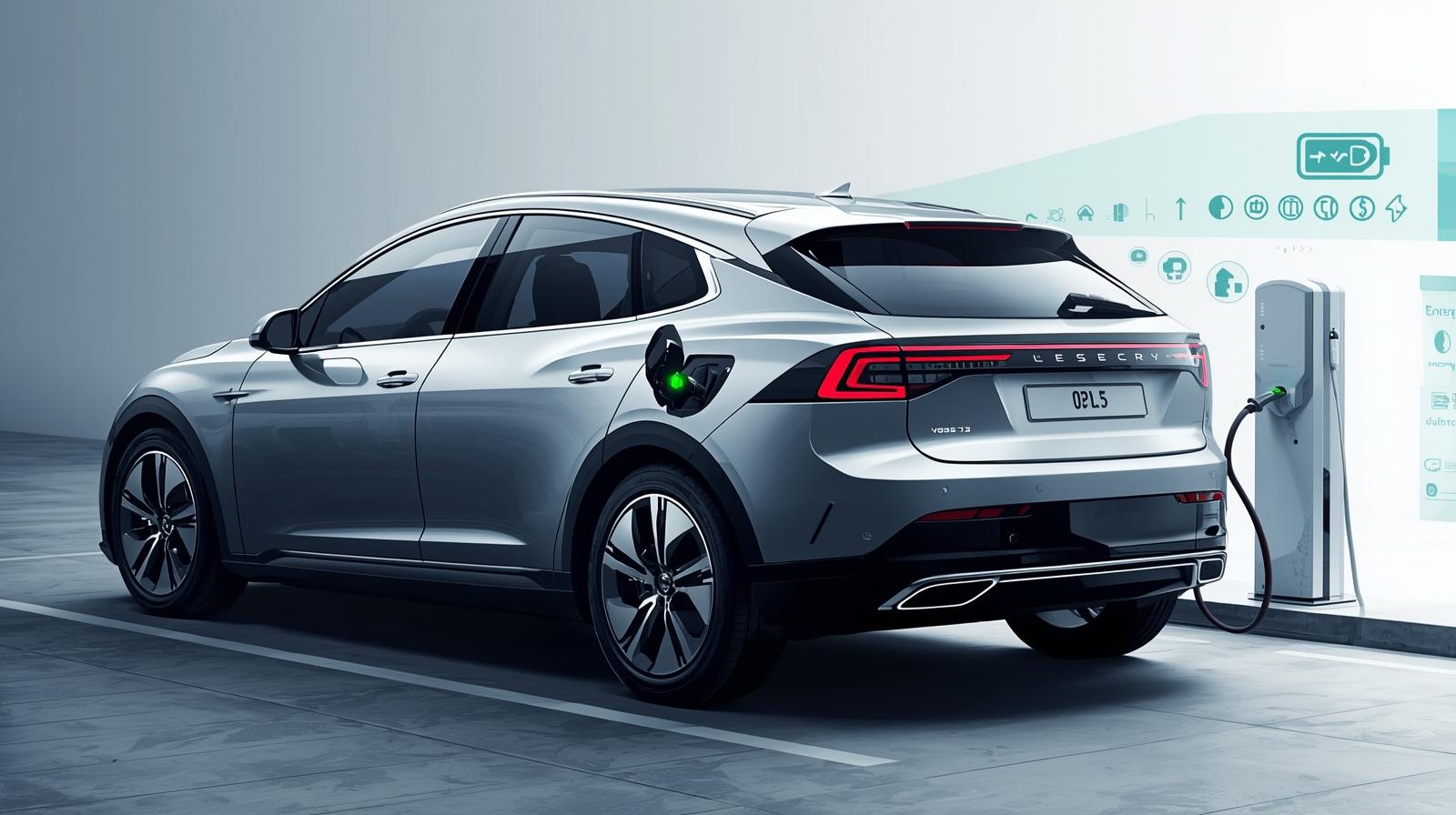
Maximizing the life of your electric vehicle battery is crucial for getting the most out of your investment. A well-maintained battery ensures your vehicle runs efficiently and effectively for years to come.
Understanding the best practices for electric vehicle battery care can significantly improve your EV’s performance and longevity. By adopting the right charging habits and driving techniques, you can extend the life of your EV’s battery.
Key Takeaways
- Understand the importance of proper charging habits for EV battery life.
- Learn driving techniques that can help extend your electric vehicle battery’s life.
- Discover how to maintain your EV’s battery for optimal performance.
- Find out how to avoid common mistakes that can reduce your EV battery’s lifespan.
- Explore tips for maximizing your EV’s overall efficiency and longevity.
Understanding EV Battery Degradation
Battery degradation in electric vehicles is a natural occurrence that can be influenced by various factors. As EV owners, understanding these factors is crucial for maximizing the lifespan of their vehicle’s battery pack.
Common Causes of Battery Degradation
Several factors contribute to EV battery degradation. Deep discharging, or completely draining the battery, can stress the cells. High temperatures can also accelerate chemical reactions that reduce battery life. Additionally, rapid charging, while convenient, can cause increased wear on the battery.
According to a study by the National Renewable Energy Laboratory, factors such as driving habits, charging practices, and environmental conditions play significant roles in battery health. As one expert notes:
“The way you charge and drive your EV can significantly impact its battery life. By adopting best practices, you can extend the life of your battery and maintain its performance.”
EV Expert, GreenTech Journal
- Deep discharging
- High temperatures
- Rapid charging
- Aging
How Battery Chemistry Affects Longevity
The chemistry of your EV’s battery plays a significant role in its longevity. Lithium-ion batteries, the most common type used in EVs, have a limited lifespan due to the chemical reactions that occur during charging and discharging. Understanding the specific chemistry of your EV’s battery can help you better manage its health.
| Battery Chemistry | Characteristics | Impact on Longevity |
| Lithium-ion | High energy density, relatively long cycle life | Prone to degradation under high temperatures and deep discharging |
| Lithium Iron Phosphate | Safer, more stable, less energy density | Longer lifespan, less prone to thermal runaway |
| NMC (Nickel Manganese Cobalt) | Balanced performance, good energy density | Moderate lifespan, sensitive to charging practices |
Measuring and Tracking Battery Health
Regularly measuring and tracking your EV’s battery health is crucial for identifying potential issues early. Most EVs come with built-in tools to monitor battery state of charge and health. Additionally, third-party apps can provide detailed insights into your battery’s condition.
By understanding and managing the factors that influence battery degradation, EV owners can take proactive steps to extend the life of their vehicle’s battery pack.
How to Extend Your EV Battery Life Through Proper Charging
To extend the life of your EV’s battery, it’s crucial to adopt the right charging practices. Proper charging habits can significantly impact the longevity and health of your electric vehicle’s battery.
Optimal Charging Levels (20-80% Rule)
One of the most effective ways to prolong your EV’s battery life is by following the 20-80% charging rule. This means charging your battery when it falls below 20% and unplugging it when it reaches 80% capacity. Avoiding full charges and deep discharges can reduce wear on the battery, potentially extending its lifespan.
- Charge your EV when it’s between 20% and 80% full.
- Avoid letting the battery completely drain to 0% on a regular basis.
- Try not to charge your battery to 100% unless necessary.
Fast Charging vs. Slow Charging Impact
The impact of fast charging versus slow charging on your EV’s battery is a topic of much debate. While fast charging is convenient, frequent use of fast charging can cause the battery to degrade faster. On the other hand, slow charging is generally gentler on the battery but requires more time.
It’s recommended to use fast charging when you’re in a hurry and slow charging for your daily routine. Balancing between fast and slow charging can help maintain your battery’s health.
Best Practices for Home Charging
Home charging is the most common method of charging an EV. To do it effectively:
- Use a dedicated charger to avoid overloading your home’s electrical system.
- Keep your charging station in a cool, dry place to prevent overheating.
- Monitor your charging habits and adjust your routine as needed.
Using a smart charger can also help optimize your charging process by adjusting the charge rate based on your EV’s needs and the time of day.
Public Charging Station Strategies
When using public charging stations, planning is key. Try to charge your EV during off-peak hours to avoid straining the grid and potentially reducing the charging speed. Additionally, be mindful of the type of charger you’re using and its impact on your battery.
| Charging Type | Speed | Impact on Battery |
| Fast Charging | Quick, up to 80% in 30 minutes | Higher degradation |
| Slow Charging | Slower, several hours for full charge | Less degradation |
Temperature Management for Battery Preservation
Temperature extremes can significantly impact your electric vehicle’s battery performance and longevity. Effective management of these temperatures is crucial for preserving your EV’s battery life.
Protecting Your Battery in Extreme Heat
Extreme heat can cause your EV’s battery to degrade faster. To mitigate this, park your vehicle in shaded areas whenever possible. Using a sunshade can also help reduce the temperature inside your car. Additionally, pre-conditioning your vehicle’s climate while it’s still plugged into a charger can cool down the battery before you start driving.
Pre-conditioning not only cools the cabin but also helps in maintaining an optimal battery temperature, thus preserving its health.
Cold Weather Battery Care
Cold weather can also affect your EV’s battery, reducing its range and performance. Parking your vehicle in a garage or a heated parking spot can help maintain a more stable battery temperature. If possible, avoid leaving your EV outdoors in freezing conditions for extended periods.
Using a block heater or pre-conditioning the vehicle’s climate while it’s still charging can help warm up the battery, improving its efficiency in cold weather.
Using Climate Pre-conditioning Effectively
Climate pre-conditioning is a valuable feature that allows you to heat or cool your EV’s cabin while it’s still connected to the charger, thereby not draining the battery. This feature also helps in adjusting the battery temperature to an optimal level.
To use this feature effectively, schedule your pre-conditioning sessions to start shortly before your planned departure time. This ensures that your vehicle’s battery and cabin are at a comfortable temperature without wasting energy.
Garage Storage vs. Outdoor Parking
The way you store your EV when not in use can also impact its battery health. Parking in a garage generally offers more protection against extreme temperatures compared to outdoor parking.
If a garage is not available, consider using a car cover or other protective measures to shield your EV from direct sunlight or harsh weather conditions.
Driving Habits That Preserve Battery Health
Optimizing your driving habits is key to preserving your EV’s battery and ensuring it runs efficiently over time. By adopting certain practices, you can significantly extend the life of your electric vehicle’s battery.
Eco-Driving Techniques for EVs
Eco-driving is not just about saving energy; it’s about adopting a driving style that reduces wear on your vehicle’s battery. Techniques include smooth acceleration and braking, maintaining a consistent speed, and using regenerative braking effectively. By accelerating smoothly, you reduce the strain on the battery, thereby preserving its health.
Maximizing Regenerative Braking Benefits
Regenerative braking is a key feature of electric vehicles, allowing you to recharge your battery while driving. To maximize its benefits, anticipate stops and use the correct braking mode. This not only recharges your battery but also reduces wear on your brakes.
Managing Speed and Acceleration
Managing your speed and acceleration is crucial for reducing energy consumption. Rapid acceleration can drain your battery quickly, while maintaining a steady speed can help optimize your battery’s performance. Using features like cruise control on highways can also help in maintaining a consistent speed.
Planning Routes for Battery Efficiency
Planning your route in advance can significantly impact your battery’s efficiency. Avoiding heavy traffic and construction can reduce the strain on your battery. Using navigation systems that provide real-time traffic updates can help you plan the most efficient route, thereby preserving your battery’s health.
Battery-Friendly Parking and Storage Strategies
Maximizing your EV’s battery life involves more than just driving habits; it also includes how you park and store your vehicle. The way you manage your EV when it’s not in use can significantly impact its overall battery health.
Choosing Optimal Parking Locations
One of the simplest ways to protect your EV’s battery is by choosing where you park. Parking in shaded or covered areas can shield your vehicle from direct sunlight, which can cause the battery to heat up and degrade faster. If possible, avoid parking in areas that are exposed to extreme temperatures.
According to a study by the Union of Concerned Scientists, “parking in shaded areas can reduce the temperature inside your vehicle by as much as 20°F (11°C), which can help in preserving the battery life.”
Long-term Storage Preparation
If you plan to store your EV for an extended period, there are several steps you can take to ensure the battery remains healthy. First, it’s essential to charge the battery to the recommended storage level, usually around 50%. This level helps prevent the battery from becoming too deeply discharged, which can cause damage.
“To maintain battery health during long-term storage, it’s crucial to keep the battery at a moderate charge level and avoid extreme temperatures.” – EV manufacturer guidelines.
Maintaining Ideal Charge Levels During Storage
Maintaining the ideal charge level during storage is crucial. Most EV manufacturers recommend keeping the battery charge between 20% and 80% if you’re storing the vehicle for more than a month. For longer storage periods, checking on the vehicle periodically to ensure it doesn’t drop below 20% charge is advisable.
| Storage Duration | Recommended Charge Level |
| 1-3 months | 50% |
| 3-6 months | 40-60% |
| More than 6 months | 20-80% (check periodically) |
By adopting these battery-friendly parking and storage strategies, you can help extend the life of your EV’s battery and ensure it remains in good condition for years to come.
Software Updates and Battery Management Systems
Keeping your electric vehicle’s software current is vital for optimal battery performance. Regular updates can significantly impact your EV’s battery health and overall efficiency.
Importance of Regular Software Updates
Regular software updates are crucial for maintaining your EV’s battery management system. These updates often include improvements to battery management algorithms, bug fixes, and performance enhancements. By keeping your software up to date, you ensure that your battery operates within optimal parameters, potentially extending its lifespan.
Key benefits of regular software updates include:
- Improved battery management
- Bug fixes for known issues
- Performance enhancements
- Potential increase in battery lifespan
Using Built-in Battery Management Features
Most modern EVs come equipped with advanced battery management features. These features can provide valuable insights into your battery’s health and performance. By utilizing these built-in tools, you can monitor your battery’s condition, identify potential issues early, and take corrective action.
Some common built-in features include:
- Battery health monitoring
- Charge cycle tracking
- Temperature management
- Alerts for unusual battery behavior

Third-Party Monitoring Apps and Tools
In addition to built-in features, there are various third-party apps and tools available that can provide further insights into your EV’s battery health. These tools can offer more detailed analytics and customizable monitoring options.
Popular third-party monitoring options include:
- Apps connected to your EV’s API
- OBD-II dongles for real-time data
- Specialized EV monitoring software
Setting Up Battery Health Alerts
Many EVs and third-party tools allow you to set up alerts for various battery health metrics. By configuring these alerts, you can stay informed about your battery’s condition and take prompt action if any issues arise.
Common alert types include:
- Low battery warnings
- Unusual discharge rates
- Temperature alerts
- Charge completion notifications
Maintenance Routines for Maximum Battery Life
To maximize your EV’s battery life, regular maintenance is crucial. A well-maintained battery not only lasts longer but also performs more efficiently. In this section, we will explore the essential maintenance routines that can help extend the life of your EV’s battery.
maintenanceded Service Schedules by Manufacturer
Following the manufacturer’s recommended service schedules is vital for maintaining your EV’s battery health. These schedules typically include inspections and maintenance tasks designed to keep your vehicle’s battery in optimal condition. By adhering to these schedules, you can identify and address potential issues before they become major problems. For instance, Tesla recommends regular software updates and inspections as part of its maintenance schedule.
DIY Battery Health Checks
Performing DIY battery health checks can be a straightforward way to monitor your EV’s battery condition. Simple checks include monitoring the battery’s state of charge, avoiding extreme charge levels, and keeping an eye on the battery’s temperature. You can use your vehicle’s onboard diagnostics or third-party apps to track these parameters. Regular DIY checks can help you identify any deviations from normal operation, allowing you to take corrective action.
Professional Diagnostics Worth Paying For
While DIY checks are useful, there are times when professional diagnostics are necessary. Professional technicians have the tools and expertise to perform in-depth analyses of your EV’s battery health. They can check for any internal faults, assess the battery’s capacity, and provide recommendations for maintenance or repairs. Investing in professional diagnostics can provide peace of mind and help extend the life of your EV’s battery.
Battery Cooling System Maintenance
The battery cooling system plays a critical role in maintaining the health and longevity of your EV’s battery. Overheating can significantly reduce the battery’s lifespan, making it essential to keep the cooling system in good working order. This includes checking coolant levels, ensuring that the cooling system is free from leaks, and replacing components as needed. Regular maintenance of the cooling system can help prevent overheating issues and keep your EV running smoothly.
Extending Range Without Straining Your Battery
Efficient EV driving is about more than just getting from point A to point B; it’s also about maximizing range and minimizing battery stress. Several strategies can help achieve this balance, focusing on factors that influence your vehicle’s efficiency and battery health.
Weight Management in Your EV
One of the simplest ways to extend your EV’s range is by managing the weight inside your vehicle. Removing unnecessary items from your trunk or back seat can significantly improve efficiency. Every extra pound requires more energy to move, so keeping your EV light can make a noticeable difference in its range.
Aerodynamic Considerations and Modifications
Aerodynamics play a crucial role in how efficiently your EV cuts through the air. Aerodynamic modifications such as removing roof racks when not in use or installing aerodynamic wheel covers can reduce drag and improve range. Even simple actions like closing windows at high speeds can make a difference.
Smart Accessory and Climate Control Usage
Using accessories and climate control systems wisely is vital for maintaining range. Pre-conditioning your vehicle’s temperature while it’s still charging can reduce the load on the battery once you’re on the move. Additionally, using eco-mode or adjusting your driving habits can help minimize the energy consumed by these systems.
Tire Pressure and Maintenance Impact
Proper tire pressure is essential for maximizing range. Underinflated tires can significantly reduce efficiency and strain the battery. Regularly checking and maintaining the recommended tire pressure can help ensure your EV operates at its optimal level.
By implementing these strategies, EV owners can enjoy a more efficient driving experience, extending their vehicle’s range without undue strain on the battery.
Battery Replacement and Warranty Considerations
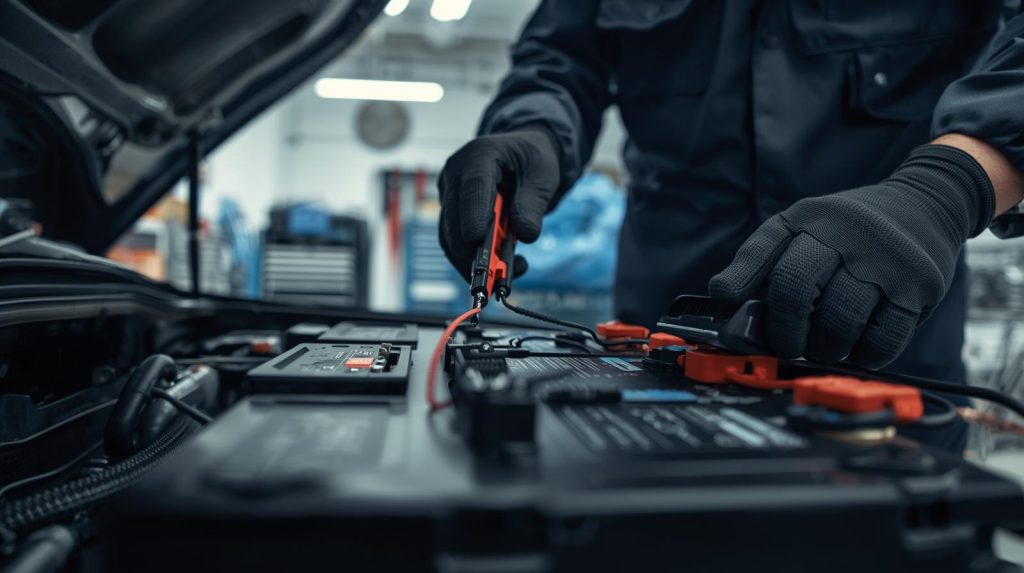
The longevity of an electric vehicle’s battery is a significant concern, making it essential to understand replacement options and warranty coverage. As electric vehicles continue to gain popularity, owners must be aware of the factors influencing battery health and the financial implications of battery replacement.
Understanding EV Battery Warranties
Electric vehicle manufacturers typically provide warranties for their batteries, covering a certain period or mileage. Understanding the terms of these warranties is crucial for EV owners. Most manufacturers offer an 8 to 10-year warranty, with some guaranteeing that the battery will retain a certain percentage of its original capacity.
| Manufacturer | Warranty Period | Capacity Retention Guarantee |
| Tesla | 8 years | 70% capacity retention |
| Nissan | 8 years | 70% capacity retention |
| BMW | 8 years or 100,000 miles | 70% capacity retention |
Signs It’s Time for Battery Service
Recognizing the signs that indicate it’s time for battery service is vital. Significant capacity loss, frequent deep discharging, and age are key indicators. If your EV’s range has decreased substantially or it doesn’t hold a charge as it used to, it may be time to consider battery service or replacement.
Cost-Benefit Analysis of Battery Replacement
Conducting a cost-benefit analysis of battery replacement involves considering the cost of a new battery versus the vehicle’s overall value. The cost of replacing an EV battery can be significant, ranging from $5,000 to $15,000 or more, depending on the manufacturer and model. However, this cost must be weighed against the vehicle’s age, condition, and resale value.
Recycling and Second-Life Options for Old Batteries
Exploring recycling and second-life options for old EV batteries can provide environmentally friendly solutions and potentially offset the cost of replacement. Many manufacturers are developing programs to recycle EV batteries, repurposing them for energy storage systems or other applications.
By understanding the warranty, recognizing signs for battery service, analyzing the cost-benefit of replacement, and exploring recycling options, EV owners can make informed decisions about their vehicle’s battery health.
Conclusion
By implementing the EV battery life tips outlined in this article, you can significantly enhance your electric vehicle’s performance and longevity. Proper electric vehicle maintenance is crucial to extending the life of your EV’s battery.
Regular software updates, optimal charging habits, and effective temperature management all play a role in preserving battery health. By combining these strategies with eco-friendly driving techniques and smart accessory usage, you can maximize your EV’s range and overall efficiency.
As the EV market continues to evolve, staying informed about the latest best practices and technologies will help you get the most out of your vehicle. By following these guidelines and staying up-to-date with manufacturer recommendations, you can enjoy a longer-lasting and more efficient EV driving experience.
FAQ
How can I extend the life of my EV’s battery?
To extend the life of your EV’s battery, follow proper charging habits, manage temperature extremes, adopt eco-driving techniques, and perform regular maintenance.
What is the optimal charging level for my EV’s battery?
The optimal charging level is between 20% and 80% capacity, following the 20-80% rule, to reduce wear on the battery.
How does fast charging affect my EV’s battery?
Frequent fast charging can degrade the battery faster, so it’s recommended to use slow charging when possible.
How can I protect my EV’s battery from extreme temperatures?
Park in shaded areas, use sunshades, or pre-condition your vehicle’s climate while still plugged in to protect the battery from extreme heat. In cold weather, use a garage or a heated parking spot.
What driving habits can help preserve my EV’s battery health?
Adopting eco-driving techniques, such as smooth acceleration and braking, maximizing regenerative braking benefits, managing speed, and planning routes can help preserve battery health.
How can I maintain my EV’s battery during long-term storage?
Ensure the battery is at an ideal charge level (usually around 50%) and maintain this level during storage to prevent deep discharging.
Why are software updates important for my EV’s battery health?
Regular software updates can improve battery management, fix bugs, and enhance overall performance, keeping your EV’s battery healthy.
What maintenance routines can help maximize my EV’s battery life?
Following the manufacturer’s recommended service schedules, performing DIY battery health checks, investing in professional diagnostics, and maintaining the battery cooling system can help maximize battery life.
How can I extend my EV’s range without straining the battery?
Managing weight, aerodynamic considerations, smart accessory and climate control usage, and maintaining proper tire pressure can help extend your EV’s range.
What should I know about EV battery warranties?
Understanding your EV’s battery warranty is essential for knowing what is covered and for how long, helping you plan for potential battery replacement.
What are my options for old EV batteries?
Exploring recycling and second-life options for old batteries can provide environmentally friendly solutions and potentially offset the cost of replacement.