
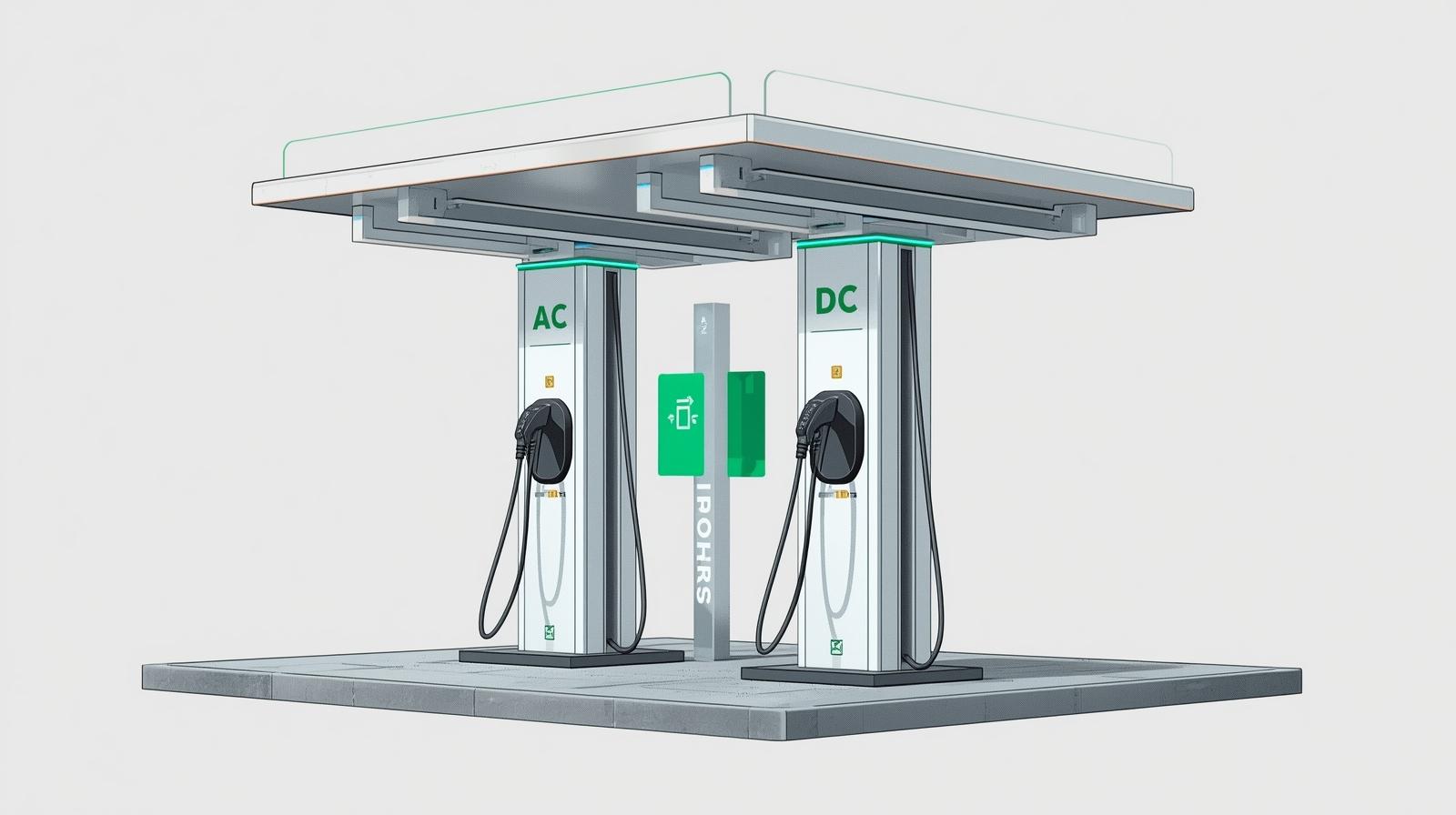
As electric vehicles (EVs) become more common worldwide, one question continues to confuse both new and experienced EV owners: Is it better to charge EV with AC or DC? The answer is not as simple as choosing one over the other. AC and DC charging each play a critical role in the EV ecosystem, and understanding how they differ can help you make smarter decisions about charging speed, battery health, cost, and daily convenience.
Electric vehicle charging is fundamentally different from refueling a gasoline car. Instead of liquid fuel, EVs rely on electricity that must be carefully managed to protect battery life and maximize efficiency. This is why the debate over is it better to charge EV with AC or DC? matters so much.
In this comprehensive guide, we’ll break down AC vs DC charging, explain how each works, compare speed, cost, efficiency, and long-term battery impact, and help you decide which charging method is best for different situations.
Understanding the Basics of EV Charging
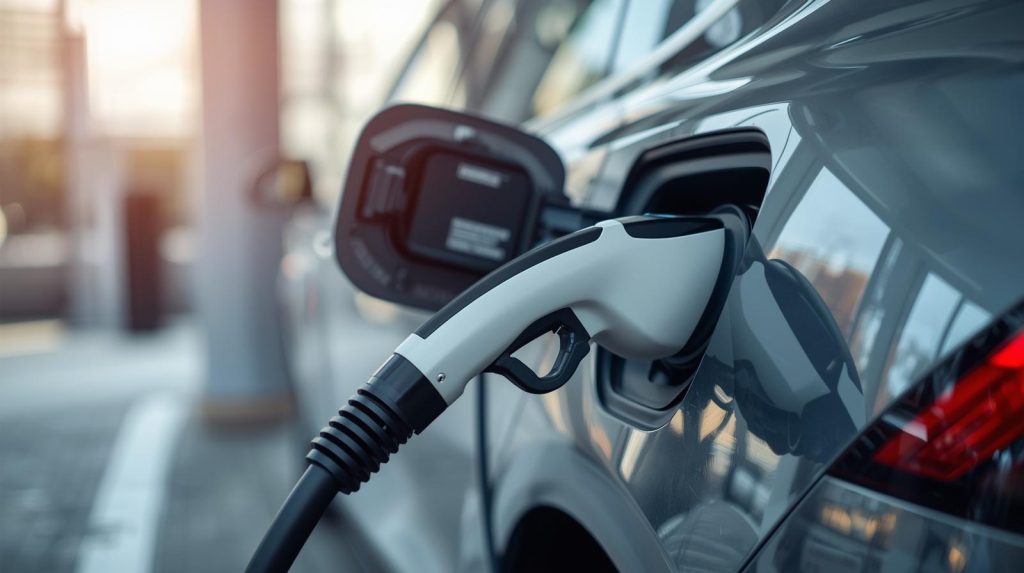
Before answering is it better to charge EV with AC or DC?, it’s essential to understand how EV charging works at a fundamental level.
What Is AC and DC Electricity?
- AC (Alternating Current)
Electricity changes direction periodically. This is the type of power supplied to homes and businesses. - DC (Direct Current)
Electricity flows in one direction only. EV batteries store energy as DC power.
Because EV batteries store DC electricity, all charging—whether AC or DC—ultimately supplies DC power to the battery. The difference lies in where the conversion happens.
How AC Charging Works in an Electric Vehicle
To understand is it better to charge EV with AC or DC?, let’s start with AC charging.
AC Charging Explained
When you plug your EV into an AC charger:
- Electricity comes from the grid as AC
- The vehicle’s onboard charger converts AC into DC
- The converted DC power is stored in the battery
Common AC Charging Levels
- Level 1 AC Charging (120V)
Very slow, usually 3–5 miles of range per hour - Level 2 AC Charging (240V)
Much faster, typically 15–40 miles of range per hour
Where AC Charging Is Used
- Home charging
- Workplace charging
- Public slow chargers
- Overnight charging
AC charging is the most common and accessible method, which is why it plays a major role in the question: Is it better to charge EV with AC or DC?
How DC Charging Works in an Electric Vehicle
DC charging works very differently.
DC Fast Charging Explained
With DC charging:
- AC power from the grid is converted into DC inside the charging station
- DC power is sent directly to the EV battery
- The onboard charger is bypassed
DC Charging Levels
- DC Fast Charging (50–350 kW)
- Can add 80% charge in 20–40 minutes (vehicle dependent)
Where DC Charging Is Used
- Highway charging stations
- Long-distance travel
- Commercial fleets
- Emergency fast top-ups
DC charging is designed for speed, which is why many people asking is it better to charge EV with AC or DC? are really asking about convenience versus battery care.
Key Differences Between AC and DC EV Charging
To properly answer is it better to charge EV with AC or DC?, let’s compare them directly.
| Feature | AC Charging | DC Charging |
|---|---|---|
| Conversion Location | Inside vehicle | Inside charger |
| Charging Speed | Slow to moderate | Very fast |
| Equipment Cost | Low | High |
| Battery Stress | Low | Higher |
| Best Use Case | Daily charging | Long trips |
Charging Speed: Is Faster Always Better?
One of the biggest reasons people ask is it better to charge EV with AC or DC? is charging speed.
AC Charging Speed
AC charging speed depends on:
- Charger power
- Vehicle’s onboard charger capacity
- Electrical supply
Even the best AC chargers are limited by the onboard charger, typically 7–22 kW.
DC Charging Speed
DC fast chargers can deliver:
- 50 kW (older stations)
- 150 kW (modern fast chargers)
- 350 kW (ultra-fast chargers)
However, charging speed tapers as the battery fills, especially beyond 80%.
Speed vs Practicality
While DC charging is much faster, most EV owners do not need fast charging daily. This brings us back to the key question: is it better to charge EV with AC or DC for everyday use?
Battery Health: AC vs DC Charging Impact
Battery longevity is one of the most important factors when deciding is it better to charge EV with AC or DC?
Why Battery Health Matters
- Batteries are expensive
- Degradation reduces range
- Replacement costs are high
AC Charging and Battery Health
- Slower charging generates less heat
- Lower stress on battery cells
- Ideal for daily charging
- Recommended by most manufacturers
DC Charging and Battery Health
- High power generates more heat
- Increases battery stress over time
- Frequent DC fast charging can accelerate degradation
This is why experts often say: AC charging is better for routine use, while DC charging should be occasional.
Efficiency: Which Charging Method Wastes Less Energy?
When asking is it better to charge EV with AC or DC?, efficiency is another key factor.
AC Charging Efficiency
- Some energy lost during AC-to-DC conversion onboard
- Typically 85–90% efficient
DC Charging Efficiency
- Conversion happens at the station
- Slightly higher efficiency at high power
- Cooling systems consume additional energy
Overall, efficiency differences are minor, but AC charging is often more energy-efficient for home use.
Cost Comparison: AC vs DC Charging
Cost plays a major role in deciding is it better to charge EV with AC or DC?
AC Charging Costs
- Home electricity rates
- Cheapest charging option
- Often free at workplaces
DC Charging Costs
- Higher per-kWh pricing
- May include session fees
- Infrastructure costs passed to users
For most EV owners, AC charging is significantly cheaper.
Convenience and Availability
AC Charging Convenience
- Easy home installation
- Charge overnight
- Minimal planning required
DC Charging Convenience
- Ideal for road trips
- Reduces travel time
- Requires charging network availability
The answer to is it better to charge EV with AC or DC? often depends on your driving habits.
Is It Better to Charge EV With AC or DC for Daily Use?
For daily commuting and routine driving:
- AC charging is better
- Lower cost
- Better battery health
- More convenient
Most EV manufacturers recommend AC charging as the primary method.
Is It Better to Charge EV With AC or DC for Long Trips?
For long-distance travel:
- DC charging is better
- Saves time
- Enables highway driving
- Essential for road trips
In this scenario, DC charging is not just better—it’s necessary.
Manufacturer Recommendations
Most EV manufacturers advise:
- Use AC charging for regular use
- Use DC fast charging when needed
- Avoid frequent 100% DC charging
This balanced approach best answers is it better to charge EV with AC or DC?
Environmental Impact of AC vs DC Charging
AC Charging
- Often uses local grid power
- Can be paired with solar energy
- Lower infrastructure footprint
DC Charging
- High power demand
- Requires robust grid support
- Greater energy losses at scale
From a sustainability perspective, AC charging has advantages for everyday use.
Charging at Home vs Public Stations
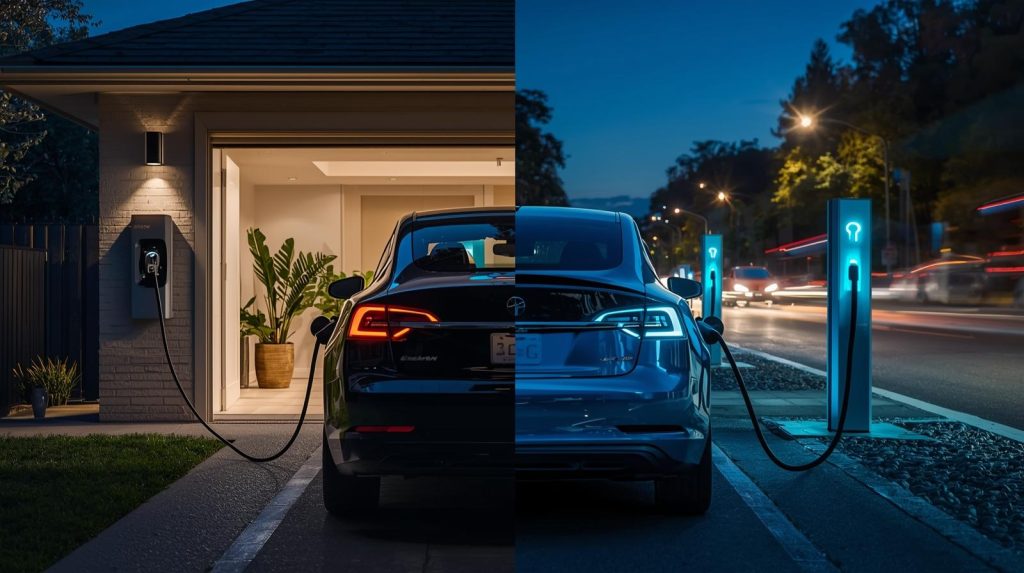
Home Charging (AC)
- Predictable
- Affordable
- Stress-free
Public Fast Charging (DC)
- Essential on highways
- Convenient in emergencies
- More expensive
This reinforces that both AC and DC charging are necessary, not competitors.
The Future of EV Charging
Future developments may change how we answer is it better to charge EV with AC or DC?, including:
- Improved battery chemistry
- Smarter charging management
- Ultra-fast DC charging with less degradation
- Vehicle-to-grid technology
Still, AC charging will remain essential.
Conclusion
There is no one-size-fits-all answer to is it better to charge EV with AC or DC? Instead, the smartest strategy is balance. Use AC charging as your primary method and rely on DC fast charging when time matters most.
By charging smarter—not just faster—you can extend battery life, save money, and enjoy the full benefits of electric vehicle ownership.
Frequently Asked Questions (FAQs)
1. Is it better to charge an EV with AC or DC?
For daily use, it is better to charge an EV with AC because it is cheaper, gentler on the battery, and more convenient. DC charging is best for long trips or when fast charging is needed.
2. What is the main difference between AC and DC EV charging?
The main difference is where the power conversion happens. In AC charging, the EV’s onboard charger converts AC to DC, while in DC charging, the conversion happens at the charging station and power goes directly to the battery.
3. Does DC fast charging damage EV batteries?
Occasional DC fast charging does not damage EV batteries, but frequent use can increase heat and stress, which may accelerate battery degradation over time.
4. Why is AC charging recommended for home EV charging?
AC charging is recommended for home use because it is cost-effective, easier to install, safer for long-term battery health, and allows overnight charging without time pressure.
5. How fast is AC charging compared to DC charging?
AC charging is slower and typically adds 15–40 miles of range per hour, while DC fast charging can add up to 80% charge in 20–40 minutes, depending on the vehicle.
6. Is DC charging more expensive than AC charging?
Yes, DC charging is usually more expensive due to higher infrastructure costs, faster charging speeds, and additional service fees at public fast-charging stations.
7. Can I use only DC charging for my EV?
While it is possible, it is not recommended. Relying only on DC charging can increase battery wear and overall charging costs. A mix of AC and DC charging is ideal.
8. Which type of EV charging is better for battery longevity?
AC charging is better for battery longevity because it produces less heat and places less stress on battery cells compared to frequent DC fast charging.
9. When should DC fast charging be used?
DC fast charging should be used during long-distance travel, road trips, or emergency situations when quick charging is necessary.
10. Will future EVs make DC charging safer for batteries?
Yes, future EVs are expected to feature improved battery chemistry, better thermal management, and smarter charging systems that reduce the impact of fast DC charging.