

As modern electrical systems become more advanced—especially in electric vehicles (EVs), solar power systems, RVs, marine setups, and industrial electronics—the need for efficient power conversion has never been greater. One device that plays a critical role in these systems is the DC to DC charger.
So, what is a DC to DC charger, and why is it so important in today’s technology-driven world?
In this in-depth guide, we’ll explain everything you need to know about DC to DC chargers: how they work, where they’re used, their advantages, different types, and how to choose the right one. Whether you’re an EV owner, a solar enthusiast, or simply curious about power electronics, this article will give you a complete understanding.
What Is a DC to DC Charger?
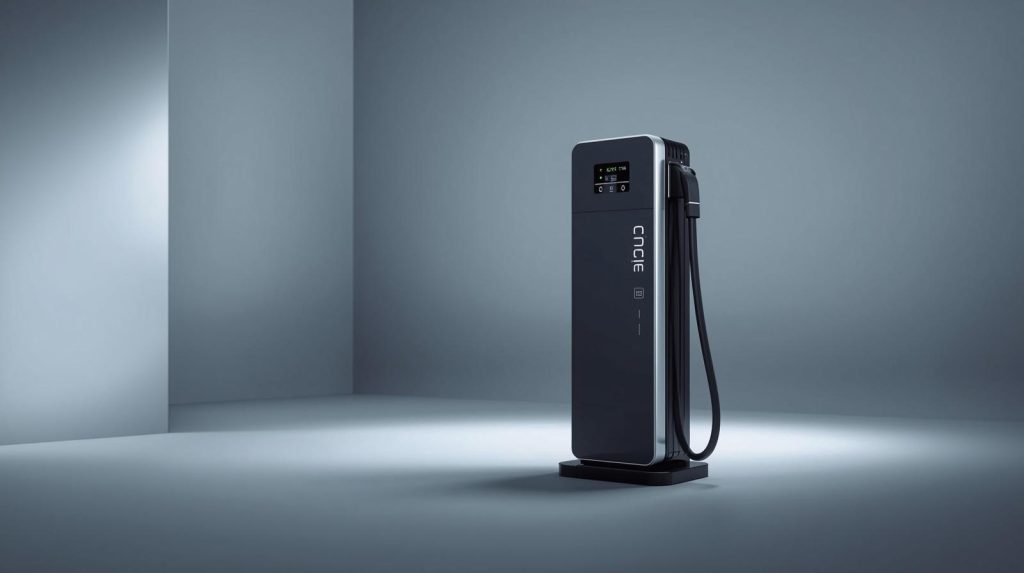
What is a DC to DC charger?
A DC to DC charger is an electronic device that converts one level of direct current (DC) voltage to another while regulating current and protecting the connected battery or load.
Unlike simple voltage converters, a DC to DC charger is designed to safely charge batteries by controlling voltage, current, and charging stages.
In simple terms:
- It takes DC power from a source (battery, alternator, solar panel, or DC bus)
- It converts and regulates that power
- It delivers the correct voltage and current to charge another battery or power a device
Why DC to DC Charging Is Important
Understanding what is a DC to DC charger also requires knowing why it exists.
Modern systems often involve multiple batteries with different voltages. For example:
- A vehicle may have a 12V starter battery and a 48V auxiliary battery
- An RV may use a 12V alternator but charge a 24V or lithium battery bank
- An EV may step down high-voltage battery power to run low-voltage electronics
Without a DC to DC charger:
- Batteries could be overcharged or undercharged
- Electrical components could be damaged
- Efficiency and safety would suffer
How a DC to DC Charger Works
To fully understand what is a DC to DC charger, let’s break down how a DC to DC charger works step by step.
Step 1: Input Power Reception
The charger receives DC power from a source such as:
- Vehicle alternator
- Main battery pack
- Solar panel
- DC power bus
Step 2: Voltage Conversion
Using high-frequency switching electronics, the charger:
- Steps voltage up (boost)
- Steps voltage down (buck)
- Or both (buck-boost)
Step 3: Regulation and Control
An internal controller ensures:
- Stable output voltage
- Proper charging current
- Multi-stage battery charging (bulk, absorption, float)
Step 4: Battery Charging or Power Delivery
The regulated DC output is safely delivered to:
- A secondary battery
- Onboard electronics
- Auxiliary systems
DC to DC Charger vs DC Converter
Many people confuse these two devices, so it’s important to clarify.
DC Converter
- Converts DC voltage levels
- Designed for powering devices
- Does not manage battery charging stages
DC to DC Charger
- Converts DC voltage
- Actively manages battery charging
- Includes safety features like overcurrent and temperature protection
In short, every DC to DC charger is a converter, but not every converter is a charger.
Types of DC to DC Chargers
When learning what is a DC to DC charger, it’s essential to understand the main types.
Buck (Step-Down) DC to DC Charger
- Reduces voltage (e.g., 48V to 12V)
- Common in EVs and industrial systems
Boost (Step-Up) DC to DC Charger
- Increases voltage (e.g., 12V to 24V)
- Used in specialized battery systems
Buck-Boost DC to DC Charger
- Can increase or decrease voltage
- Ideal for systems with variable input voltage
Isolated DC to DC Charger
- Electrically isolates input and output
- Improves safety and noise reduction
- Used in medical, marine, and industrial applications
Key Components of a DC to DC Charger
A high-quality DC to DC charger consists of several critical components:
- Power switches (MOSFETs or IGBTs)
- Inductors and transformers
- Capacitors
- Control circuitry
- Cooling system (heatsink or fan)
- Protection circuits
These components work together to ensure efficient and safe energy transfer.
DC to DC Chargers in Electric Vehicles
One of the most important applications when discussing what is a DC to DC charger is electric vehicles.
Role in EVs
EVs typically have:
- A high-voltage traction battery (400V–800V)
- A low-voltage auxiliary battery (12V)
The DC to DC charger:
- Steps down high voltage to 12V
- Powers lights, infotainment, ECU, and safety systems
- Replaces the traditional alternator found in gas vehicles
Without a DC to DC charger, modern EVs simply wouldn’t function.
DC to DC Chargers in Solar Power Systems
In solar setups, DC to DC chargers are used to:
- Regulate power from solar panels
- Charge battery banks efficiently
- Protect batteries from overcharging
They are especially useful in off-grid systems, where power stability is critical.
DC to DC Chargers in RVs and Marine Applications
RVs and boats often use DC to DC chargers to:
- Charge house batteries from the vehicle alternator
- Protect lithium batteries from improper charging
- Manage different battery chemistries
This makes DC to DC chargers essential for mobile and marine power systems.
Advantages of Using a DC to DC Charger
Understanding what is a DC to DC charger also means knowing its benefits.
Key Advantages
- Precise voltage regulation
- Safe battery charging
- Improved efficiency
- Protection against overcharging
- Compatibility with lithium batteries
- Longer battery lifespan
These benefits make DC to DC chargers superior to traditional charging methods.
Limitations and Challenges
Despite their advantages, DC to DC chargers also have limitations.
Common Challenges
- Higher cost than basic converters
- Heat generation
- Limited current capacity in compact designs
- Requires proper installation
However, modern designs continue to reduce these drawbacks.
How to Choose the Right DC to DC Charger
When selecting a charger, consider:
- Input voltage range
- Output voltage and current
- Battery type (lead-acid, AGM, lithium)
- Efficiency rating
- Environmental conditions
- Safety certifications
Choosing the right charger ensures optimal performance and safety.
Installation and Safety Considerations
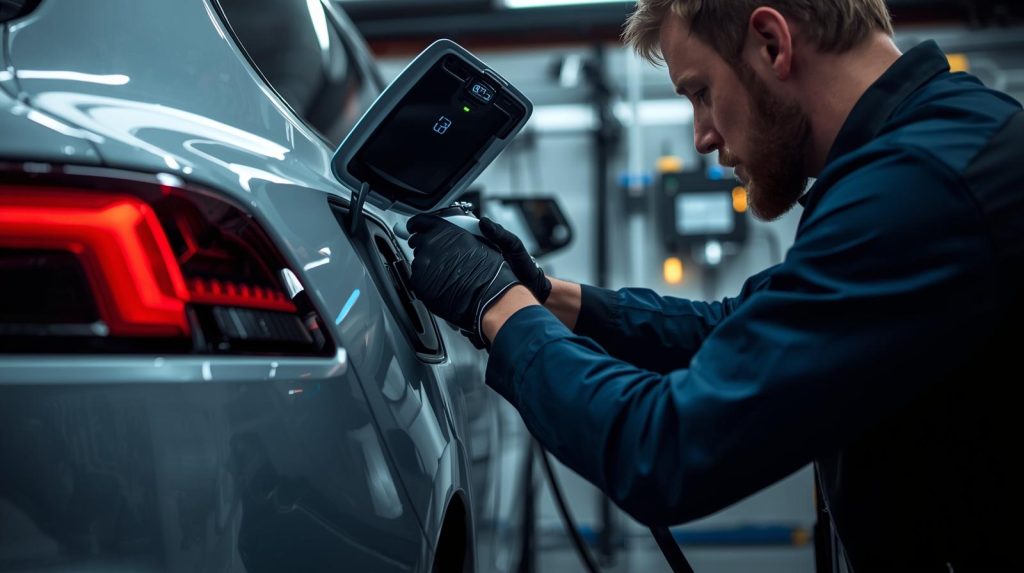
Proper installation is critical.
Safety Tips
- Use appropriate wire gauge
- Install fuses or circuit breakers
- Ensure adequate ventilation
- Follow manufacturer guidelines
A poorly installed charger can lead to inefficiency or system failure.
Future of DC to DC Charging Technology
The future of DC to DC chargers looks promising.
Emerging Trends
- Higher efficiency designs
- Smaller and lighter chargers
- Smart digital control
- Integration with energy management systems
- Improved compatibility with solid-state batteries
As EVs and renewable energy systems expand, DC to DC chargers will become even more essential.
Conclusion
So, what is a DC to DC charger?
It is a critical power electronics device that safely converts and regulates DC voltage to charge batteries and power systems across electric vehicles, solar setups, RVs, marine applications, and industrial equipment.
With the rise of electrification and renewable energy, the importance of DC to DC chargers continues to grow. Understanding how they work and where they are used helps consumers and professionals make informed decisions and build safer, more efficient electrical systems.
Frequently Asked Questions (FAQs)
1. What is a DC to DC charger?
A DC to DC charger is a device that converts one DC voltage level to another while safely regulating current to charge a battery or power electronic systems.
2. How does a DC to DC charger work?
A DC to DC charger works by stepping voltage up or down using high-frequency switching circuits and controlling current to safely charge batteries.
3. Why is a DC to DC charger used in electric vehicles?
In electric vehicles, a DC to DC charger steps down high-voltage battery power to 12V to run lights, infotainment, safety systems, and onboard electronics.
4. What is the difference between a DC converter and a DC to DC charger?
A DC converter only changes voltage, while a DC to DC charger also manages charging stages and protects batteries from overcharging or damage.
5. Can a DC to DC charger charge lithium batteries?
Yes, most modern DC to DC chargers are designed to safely charge lithium, AGM, gel, and lead-acid batteries.
6. Where are DC to DC chargers commonly used?
DC to DC chargers are commonly used in electric vehicles, solar power systems, RVs, marine applications, and industrial electronics.
7. Is a DC to DC charger better than a traditional alternator?
In modern systems, especially EVs and RVs, a DC to DC charger provides better voltage regulation and battery protection than traditional alternator charging.
8. Do DC to DC chargers improve battery lifespan?
Yes, by providing stable voltage and controlled charging stages, DC to DC chargers help extend battery life and improve charging efficiency.
9. Are DC to DC chargers safe to use?
Yes, when installed correctly, DC to DC chargers include safety features such as overcurrent, thermal, and short-circuit protection.
10. How do I choose the right DC to DC charger?
Choose a DC to DC charger based on input voltage range, output voltage, battery type, current rating, efficiency, and safety certifications.