

Electric vehicles are becoming more popular around the world because they are cleaner, quieter, and more energy-efficient than gasoline cars. But one important part makes all electric vehicles possible — the battery. Many people ask:
What Is a Lithium-Ion Battery in an EV?
A lithium-ion battery in an EV is a rechargeable battery that stores electrical energy and powers the electric motor of the vehicle. It is the main energy source that allows electric cars to drive without gasoline or diesel fuel.
Today, most modern electric vehicles use lithium-ion batteries because they are:
- Lightweight
- Powerful
- Rechargeable
- Long-lasting
- Energy-efficient
Understanding the Role of Batteries in Electric Vehicles
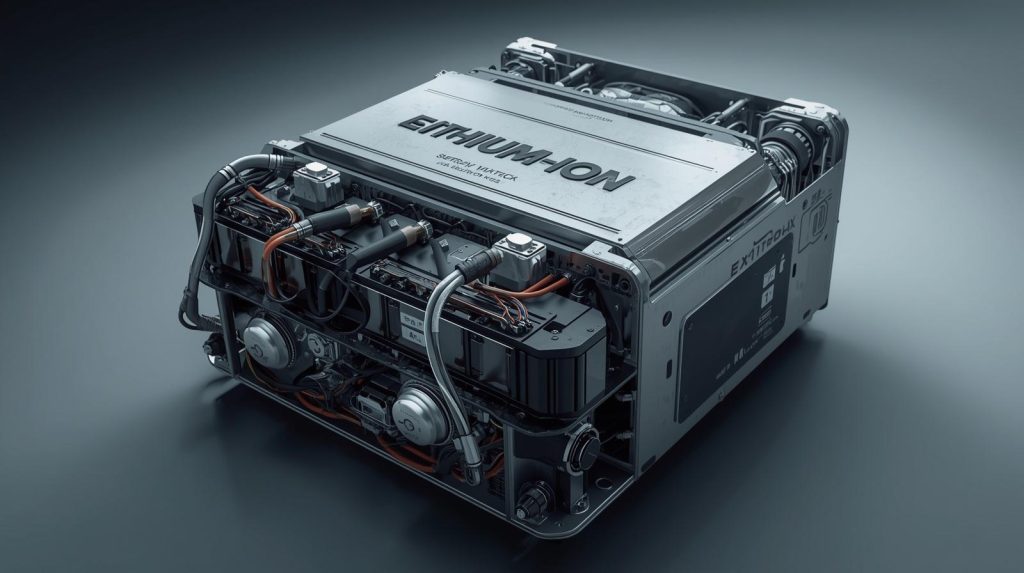
Traditional gasoline vehicles use fuel tanks and engines to create power.
Electric vehicles work differently.
Instead of burning fuel, EVs store electricity inside large battery packs. This electricity powers the electric motor that moves the vehicle.
Popular EV companies using lithium-ion batteries include:
- Tesla
- BYD
- Hyundai
- Nissan
How a Lithium-Ion Battery in an EV Works
The working process of a lithium-ion battery is actually simple.
Inside the battery:
- Lithium ions move between two electrodes
- This movement creates electrical energy
- Electricity powers the electric motor
When the EV charges:
- Electricity flows back into the battery
- Lithium ions return to their original position
- The battery stores energy again
This charging and discharging cycle happens every time the vehicle drives and recharges.
Main Components of a Lithium-Ion EV Battery
A lithium-ion EV battery contains several important parts.
Battery Cells
Battery cells are the small individual units that store electricity.
Thousands of cells are connected together to create a large EV battery pack.
These cells work together to power the entire vehicle.
Cathode
The cathode is the positive side of the battery.
It stores lithium ions during charging and helps release energy during driving.
Different materials can be used for the cathode, including:
- Nickel
- Cobalt
- Manganese
- Iron phosphate
Anode
The anode is the negative side of the battery.
It stores lithium ions when the battery is charged.
Graphite is commonly used for the anode because it helps move lithium ions efficiently.
Electrolyte
The electrolyte is a chemical solution that allows lithium ions to move between the cathode and anode.
Without the electrolyte, electricity cannot flow inside the battery.
Battery Management System (BMS)
Modern EV batteries include a Battery Management System.
The BMS helps:
- Monitor temperature
- Prevent overcharging
- Balance battery cells
- Protect battery safety
- Improve battery lifespan
The BMS is extremely important for EV battery reliability.
Why EVs Use Lithium-Ion Batteries
Electric vehicles use lithium-ion batteries because they offer many advantages compared to older battery technologies.
High Energy Density
Lithium-ion batteries store a large amount of energy in a relatively small size.
This helps EVs:
- Drive longer distances
- Reduce battery weight
- Improve efficiency
Higher energy density is one of the biggest reasons EV manufacturers prefer lithium-ion batteries.
Faster Charging
Lithium-ion batteries charge faster than many older battery types.
This improves:
- Charging convenience
- Daily usability
- Long-distance travel
Fast charging technology continues to improve every year.
Long Battery Lifespan
Modern lithium-ion batteries can last many years.
Most EV batteries can operate for:
- 8 to 15 years
- Hundreds of thousands of miles
Battery lifespan depends on:
- Charging habits
- Driving conditions
- Temperature
- Battery management
Lightweight Design
Lithium is a lightweight metal.
This helps reduce overall vehicle weight, improving:
- Efficiency
- Speed
- Range
- Performance
Lighter vehicles use less energy while driving.
Better Efficiency
Lithium-ion batteries waste less energy during charging and discharging.
This improves:
- Driving range
- Energy savings
- Vehicle performance
EVs become more efficient and cost-effective because of this technology.
Advantages of Lithium-Ion Batteries in EVs
Lithium-ion batteries provide several important benefits.
Longer Driving Range
Modern lithium-ion batteries allow EVs to travel long distances on a single charge.
Many modern EVs now offer:
- 250 to 400+ miles of range
This reduces range anxiety for drivers.
Lower Maintenance
Unlike gasoline engines, EV batteries require less maintenance.
There are:
- Fewer moving parts
- No oil changes
- Less engine servicing
This helps reduce maintenance costs.
Environmentally Friendly Transportation
Lithium-ion batteries help reduce:
- Carbon emissions
- Air pollution
- Fossil fuel dependence
When combined with renewable energy, EVs become even cleaner.
Quiet Driving Experience
Electric vehicles powered by lithium-ion batteries operate quietly compared to gasoline cars.
This creates smoother and more comfortable driving.
Disadvantages of Lithium-Ion Batteries
Although lithium-ion batteries are excellent, they also have some limitations.
High Manufacturing Cost
Lithium-ion batteries are expensive to produce.
Battery cost is one reason why EVs can be more expensive than gasoline vehicles.
However, battery prices continue to decrease as technology improves.
Battery Degradation
Over time, lithium-ion batteries slowly lose capacity.
This process is called battery degradation.
As batteries age:
- The driving range may decrease
- Charging performance may be reduced
Good battery management helps slow degradation.
Temperature Sensitivity
Extreme temperatures can affect battery performance.
Very hot or cold weather may:
- Reduce driving range
- Slow charging
- Impact battery efficiency
Modern EVs use cooling systems to protect batteries.
Charging a Lithium-Ion EV Battery
Charging systems safely refill the battery with electricity.
There are three common charging levels.
Level 1 Charging
Level 1 charging uses a standard household outlet.
Advantages
- Simple setup
- Low installation cost
Disadvantages
- Slow charging
Level 2 Charging
Level 2 charging uses higher voltage and charges faster.
Advantages
- Faster charging
- Better efficiency
Disadvantages
- Requires professional installation
DC Fast Charging
DC fast chargers provide very rapid charging.
Popular charging companies include:
- Tesla Supercharger
- ChargePoint
- Electrify America
Fast charging improves long-distance travel convenience.
Safety Features of Lithium-Ion EV Batteries
Modern EV batteries include advanced safety systems.
Safety features include:
- Thermal management systems
- Battery cooling systems
- Overcharge protection
- Short-circuit protection
- Automatic shutdown systems
These systems improve battery reliability and reduce fire risks.
Future of Lithium-Ion Battery Technology
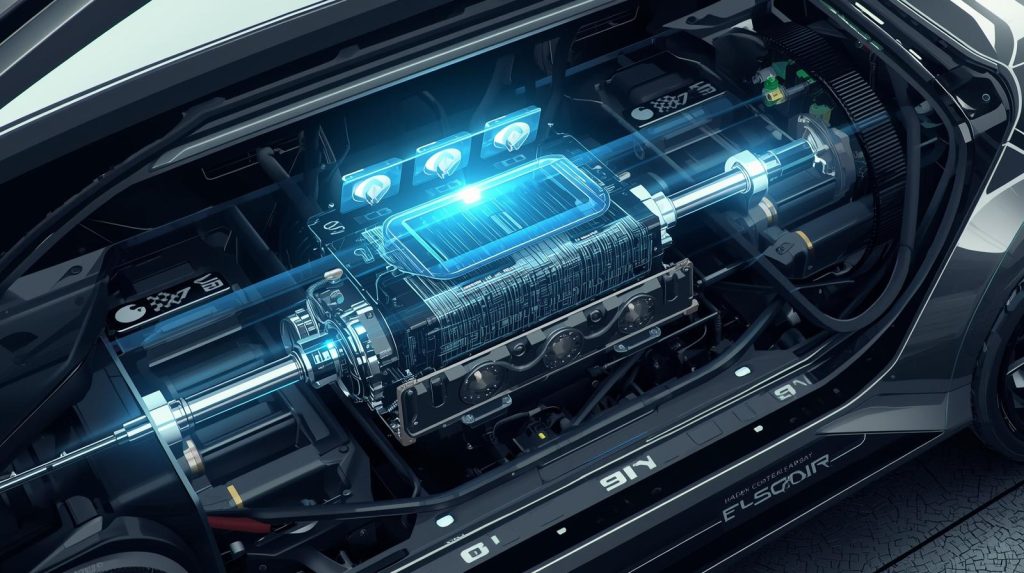
Battery technology continues to improve rapidly.
Future innovations may include:
- Solid-state batteries
- Faster charging speeds
- Longer battery lifespan
- Lower production costs
- Greater energy density
These improvements will make EVs even better in the future.
How to Make an EV Battery Last Longer
Drivers can improve battery lifespan by:
- Avoiding extreme temperatures
- Using moderate charging speeds
- Avoiding constant full charging
- Driving smoothly
- Following manufacturer recommendations
Good charging habits help maintain battery health.
Final Verdict: What Is a Lithium-Ion Battery in an EV?
So, what is a lithium-ion battery in an EV?
It is a rechargeable battery that stores electrical energy and powers the electric motor of the vehicle.
Lithium-ion batteries are popular because they provide:
- High energy density
- Fast charging
- Long lifespan
- Better efficiency
- Lightweight performance
They are one of the most important technologies behind modern electric vehicles.
As battery technology continues improving, lithium-ion batteries will help create a cleaner, smarter, and more sustainable future for transportation.
FAQs: What Is a Lithium-Ion Battery in an EV?
1. What is a lithium-ion battery in an EV?
A lithium-ion battery in an electric vehicle is a rechargeable battery that stores electricity and powers the electric motor of the car.
2. Why do electric vehicles use lithium-ion batteries?
Electric vehicles use lithium-ion batteries because they offer:
- High energy density
- Fast charging
- Long lifespan
- Lightweight design
- Better efficiency
These features make them ideal for modern EVs.
3. How long does a lithium-ion EV battery last?
Most lithium-ion EV batteries can last:
- 8 to 15 years
- 100,000 to 300,000+ miles
Battery lifespan depends on driving habits, charging practices, and temperature conditions.
4. Can lithium-ion EV batteries be recharged?
Yes, lithium-ion batteries are fully rechargeable and can be charged thousands of times during their lifespan.
5. Are lithium-ion EV batteries safe?
Yes, modern EV batteries include advanced safety systems such as:
- Battery Management Systems (BMS)
- Cooling systems
- Overcharge protection
- Thermal management technology
These systems improve safety and battery reliability.