
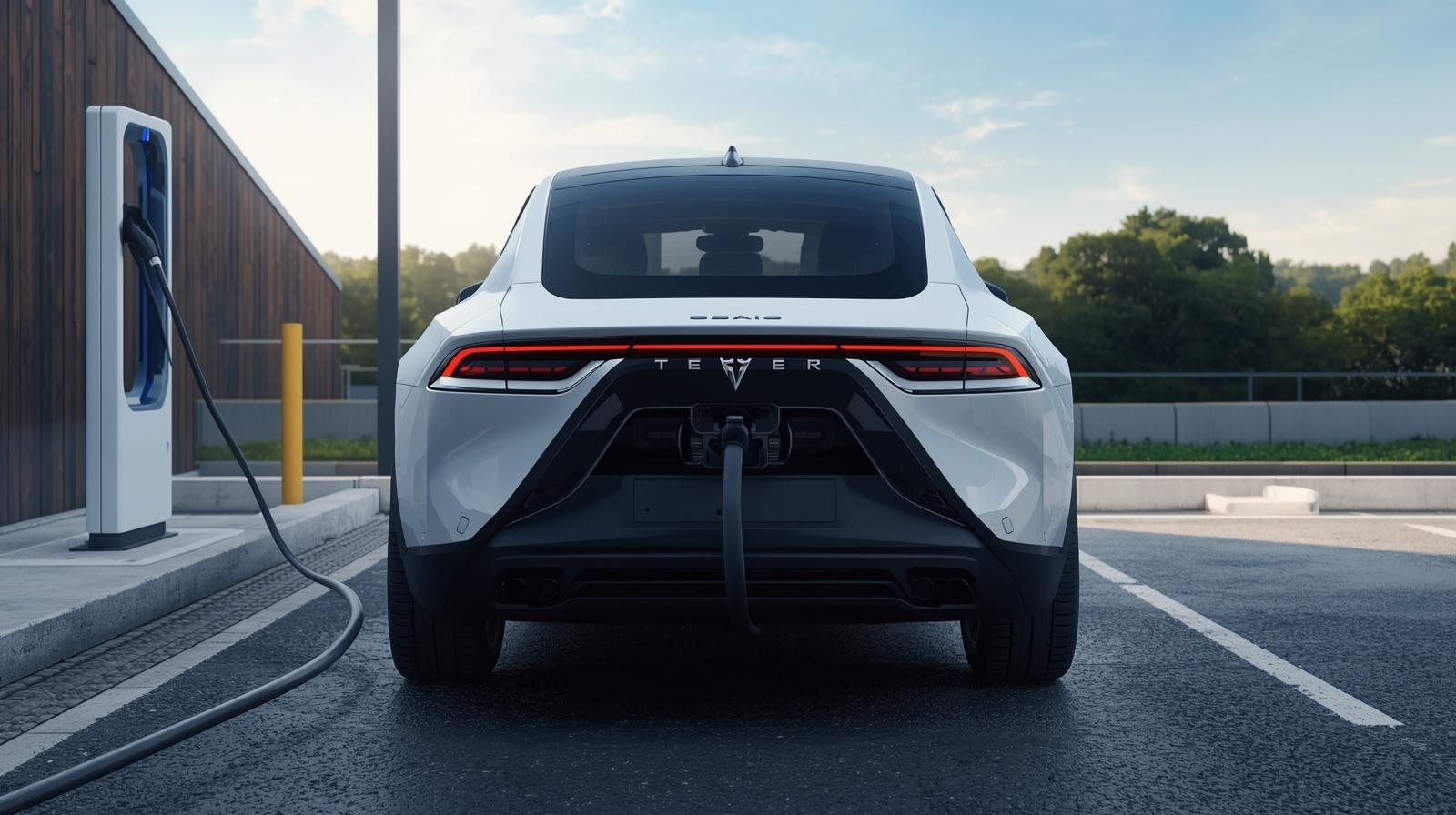
Electric vehicles (EVs) are simple to drive—but when it comes to charging, many people feel confused.
What is the best charging routine for an EV?
Should you charge every day?
Should you always charge to 100%?
Is fast charging bad?
Don’t worry—this guide will answer everything in a clear, simple way.
By the end, you’ll know the perfect EV charging routine to:
- Extend battery life
- Save money
- Maximize driving range
- Keep your EV running smoothly
What Is the Best Charging Routine for EVs?
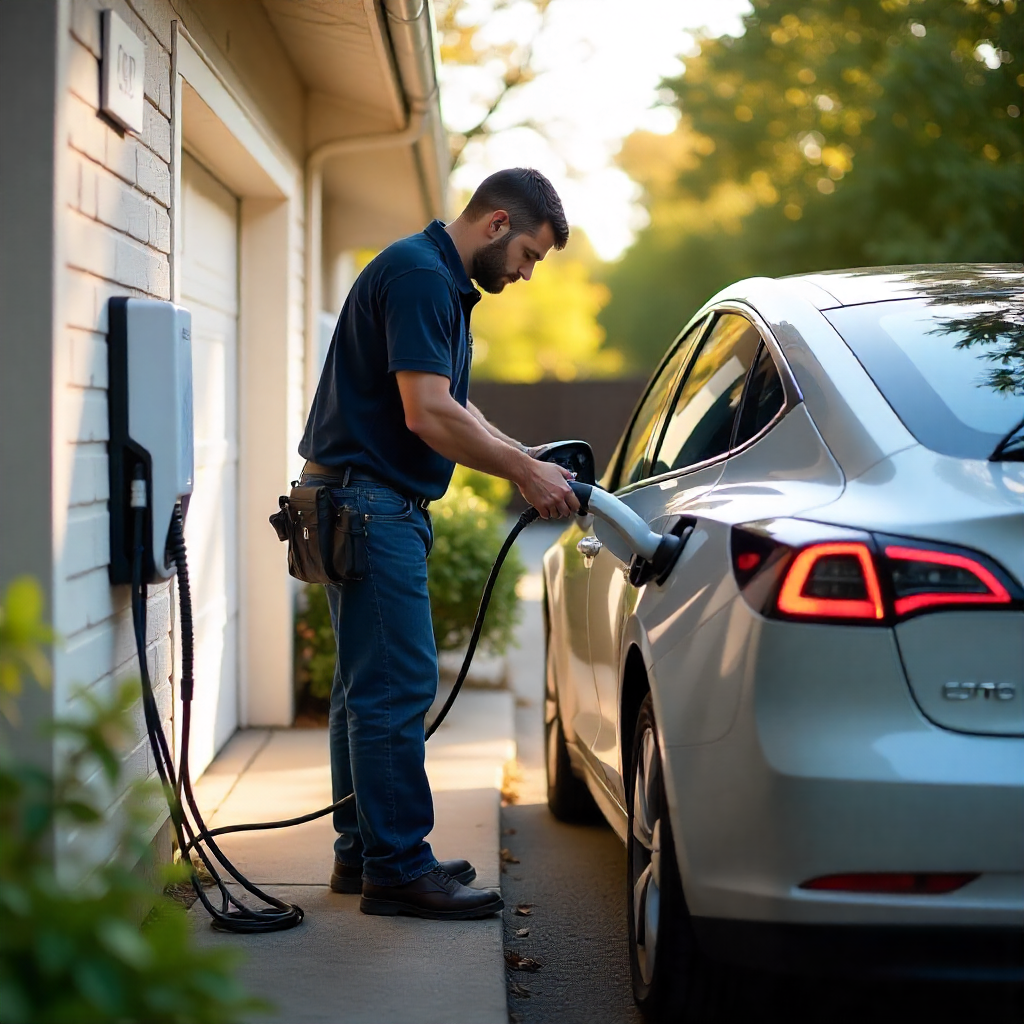
The best EV charging routine is:
- Charge regularly, but not always to 100%
- Keep the battery between 20% and 80%
- Use home charging (Level 1 or Level 2) for daily use
- Use fast charging only when needed
Simple rule:
Charge smart, not full—and not empty.
Why Charging Routine Matters for EV Battery Health
Your EV battery is the most important (and expensive) part of your car.
Good charging habits help:
- Extend battery lifespan
- Maintain performance
- Reduce long-term costs
Bad habits can:
- Increase battery wear
- Reduce driving range over time
Think of your EV battery like your phone battery—but much bigger and more valuable.
Understanding EV Battery Basics (Simple Explanation)
EVs use lithium-ion batteries, which work best under certain conditions.
Key Points:
- They don’t like being fully empty
- They don’t like being full all the time
- They prefer moderate charge levels
That’s why your charging routine matters so much.
What Is the Best Charging Routine for an EV at Home?
Home charging is the easiest and most common method in the U.S.
Daily Charging Routine
Best practice:
- Plug in your EV overnight
- Charge up to 70%–80%
- Unplug in the morning
Why This Works:
- Slow charging is gentle on the battery
- Overnight charging is convenient
- You start each day with enough range
This is the ideal routine for most drivers.
The 20%–80% Rule Explained
One of the most important EV tips:
Keep your battery between 20% and 80%.
Why It’s Important:
- Reduces battery stress
- Prevents overheating
- Extends battery life
What to Avoid:
- Letting the battery drop below 10% often
- Charging to 100% daily
Occasional full charge is okay—but not every day.
Fast Charging: When and How to Use It
Fast charging is useful—but should not be your main routine.
Use Fast Charging For:
- Road trips
- Emergencies
- Long-distance travel
Avoid:
- Daily fast charging
- Frequent 100% fast charges
Fast charging is like fast food—good when needed, not every day.
Best Charging Routine for Long Trips
Traveling long distances? Here’s the best strategy:
Charging Plan:
- Charge up to 80% most of the time
- Use fast chargers along your route
- Avoid draining below 10%
Smart Tips:
- Plan charging stops in advance
- Use apps like PlugShare or built-in navigation
This keeps your trip smooth and stress-free.
How Weather Affects Charging Routine
Cold Weather:
- Battery range decreases
- Charging may take longer
Tip: Precondition your EV while plugged in.
Hot Weather:
- The battery heats up faster
- AC increases energy use
Tip: Park in shade and avoid full charges in extreme heat.
Charging Daily vs Charging Occasionally
Daily Charging (Good for Convenience)
- Keeps battery ready
- Easy routine
Charging Every Few Days (Also Fine)
- Works if you don’t drive much
- Reduces charging cycles
Both methods are safe if you follow the 20–80 rule.
Best Practices for EV Charging Routine
Follow these expert tips to get the best results:
1. Charge at Home Whenever Possible
Cheaper and better for battery health.
2. Keep Battery Between 20%–80%
This is the golden rule.
3. Use Fast Charging Sparingly
Only when necessary.
4. Avoid Extreme Temperatures
Protect your battery from heat and cold.
5. Plan Your Charging
Don’t wait until the battery is empty.
6. Drive Efficiently
Smooth driving reduces charging frequency.
7. Use Eco Mode
Helps conserve energy.
8. Maintain Tire Pressure
Improves efficiency and range.
9. Don’t Leave Battery at 100% for Long
Use a full charge only before long trips.
10. Follow Manufacturer Guidelines
Every EV is slightly different.
Common Charging Mistakes to Avoid
Avoid these to protect your EV battery:
Charging to 100% every day
Letting the battery drop to 0%
Overusing fast charging
Ignoring temperature effects
Not planning charging stops
Fixing these mistakes can significantly extend battery life.
EV Charging in the United States
Charging infrastructure in the U.S. is growing rapidly.
Major Networks:
- Tesla Supercharger
- Electrify America
- EVgo
This makes EV ownership more convenient than ever.
Future of EV Charging Routines
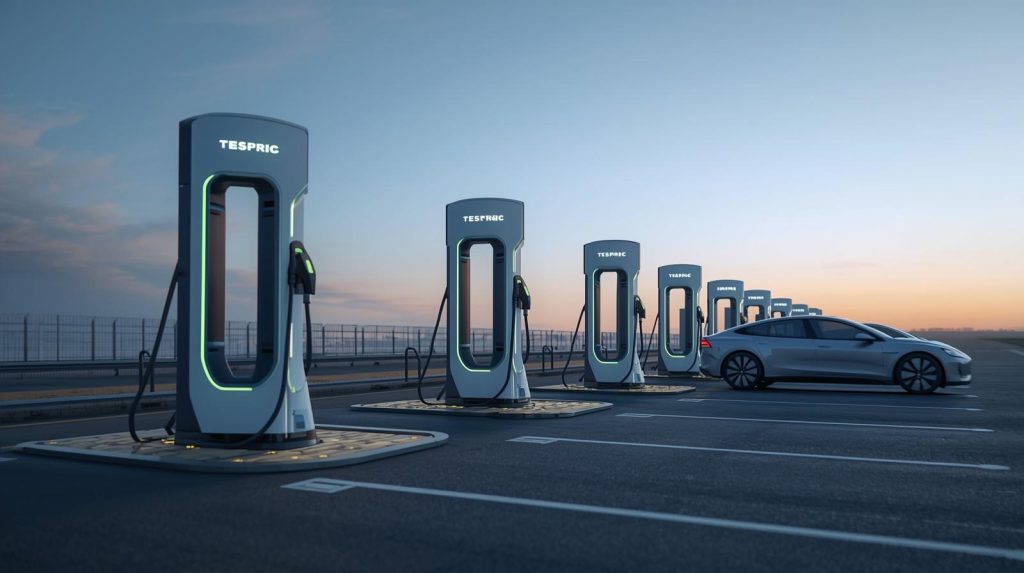
EV technology is improving quickly.
What to expect:
- Faster charging
- Longer battery life
- Smarter charging systems
Future EVs will make charging even easier.
Final Verdict: What Is the Best Charging Routine for EVs?
The best routine is simple:
Charge regularly
Keep battery between 20%–80%
Use home charging daily
Use fast charging occasionally
Easy Rule to Remember:
Charge smart, not full—charge often, not empty
FAQs
1. What is the ideal EV charging percentage?
Keep it between 20% and 80% for daily use.
2. Should I charge my EV every night?
You can, but it’s not always necessary.
3. Is fast charging bad for EV batteries?
Not if used occasionally.
4. Can I charge to 100%?
Yes, but only for long trips—not daily.
5. What is the best way to extend EV battery life?
Follow a balanced charging routine and avoid extremes.
Conclusion
Now you know the answer to “What is the best charging routine for EV?”
It’s not complicated—it’s about balance.
By following simple habits, you can:
- Extend your battery life
- Save money
- Drive with confidence
Start using the best charging routine today and enjoy a smarter EV experience.