

The adoption of electric vehicles (EVs) is accelerating worldwide, thanks to their sustainability, efficiency, and cutting-edge technology. However, one common concern among EV owners and prospective buyers is battery longevity. Batteries are the most critical and expensive component of an EV, and their performance directly affects vehicle range and usability.
A frequent question arises: “How do DC chargers affect battery health?” With the increasing prevalence of DC fast chargers—also known as Level 3 chargers—understanding the impact of high-speed charging on battery life has become essential for EV owners, fleet operators, and infrastructure planners.
This guide delves deep into the effects of DC charging on battery health, examining the science, real-world studies, manufacturer recommendations, and best practices for maintaining long-term battery performance. It also provides insights into the factors influencing battery degradation and how to maximize EV battery lifespan while using DC fast chargers.
Introduction: DC Chargers and Battery Health
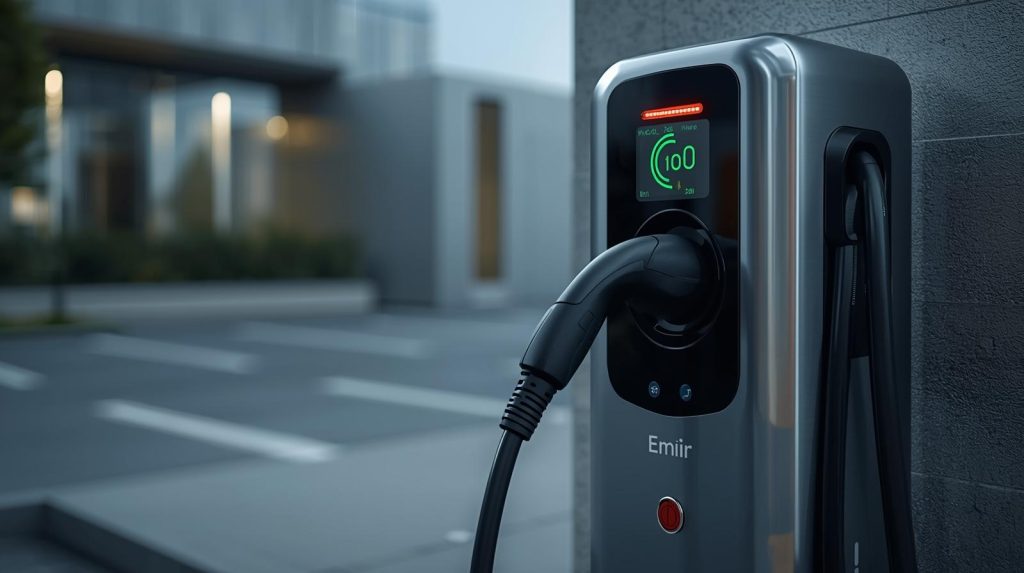
DC chargers provide direct current directly to the EV battery, allowing much faster charging compared to AC chargers. While this is highly convenient, high-speed charging generates heat and stresses the battery more than slower charging methods.
Understanding how DC chargers affect battery health is crucial for:
- EV owners concerned about longevity
- Fleet operators managing high-utilization vehicles
- Charging infrastructure planners aiming to promote sustainable EV use
What Are DC Chargers?
DC chargers bypass the vehicle’s onboard AC-to-DC converter, delivering high-voltage direct current straight to the battery. This enables fast charging at power levels from 50 kW to over 350 kW, depending on the charger type and vehicle capability.
Key characteristics:
- Charge 0–80% in 15–45 minutes
- High voltage and high current delivery
- Commonly used on highways, urban hubs, and fleet depots
While convenient, these characteristics can impact battery chemistry over time.
How Batteries Work in Electric Vehicles
EVs primarily use lithium-ion batteries due to their high energy density and efficiency. A lithium-ion battery consists of:
- Anode (negative electrode)
- Cathode (positive electrode)
- Electrolyte allowing ion movement
- Separator preventing short circuits
During charging, lithium ions move from the cathode to the anode, storing energy. Discharging reverses this process.
The Chemistry of EV Batteries
Battery health is influenced by:
- Lithium-ion movement during charging/discharging
- Electrode material degradation
- Electrolyte stability
- Temperature effects
Fast charging accelerates ion movement, increasing thermal and chemical stress.
Types of EV Battery Degradation
Battery degradation occurs due to:
- Capacity Fade: Reduced ability to hold a charge
- Power Fade: Reduced ability to deliver high currents
- Internal Resistance Increase: Causes heat generation and efficiency loss
DC fast charging can contribute to these effects if not managed properly.
How Fast Charging Works
DC fast chargers deliver high voltage and current directly to the battery. Key steps:
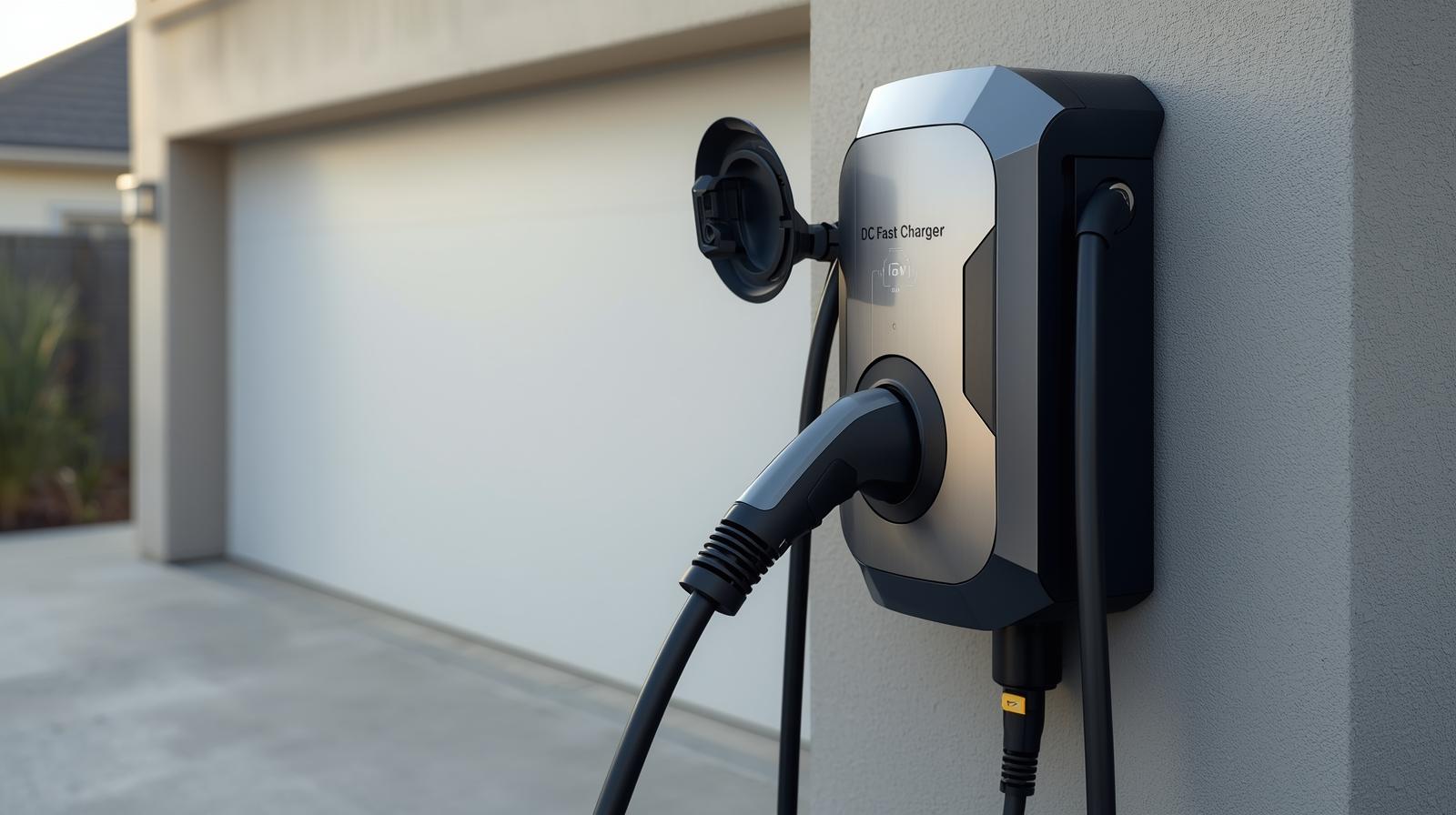
- Charger communicates with the BMS (Battery Management System)
- Voltage ramps up to the battery’s limits
- Current flow accelerates lithium-ion movement
- BMS monitors temperature and adjusts charge rate
Fast charging reduces time but increases stress.
Heat Generation and Thermal Stress
High-power DC charging generates heat within the battery cells. Excess heat can:
- Accelerate chemical reactions that degrade electrodes
- Increase internal resistance
- Reduce overall lifespan
Thermal management systems are critical to mitigate this.
Voltage and Current Effects on Battery Cells
High current and voltage stress battery cells:
- Voltage spikes may degrade cathode materials
- High current increases heat generation
- Cells at the top or bottom of the pack may experience uneven stress
Proper BMS and charger design help distribute power safely.
Charging Rate and Its Role in Battery Health
Battery degradation is linked to charging rate:
- High-rate DC charging: Convenient but slightly accelerates wear
- Moderate-rate charging: Slower but gentler on battery chemistry
Frequent high-rate charging may reduce lifespan over years.
Manufacturer Recommendations for DC Charging
Most EV manufacturers provide guidelines:
- Avoid daily DC fast charging for routine use
- Limit DC charging to long trips or urgent top-ups
- Maintain battery between 20–80% SOC for longevity
Following these guidelines reduces negative impacts.
Short-Term vs Long-Term Effects
- Short-term: Minimal impact, battery works normally
- Long-term: Frequent DC charging can contribute to capacity fade over multiple years
Balanced charging strategies mitigate long-term effects.
Impact of Frequent DC Charging
Frequent use (daily) of DC fast charging can:
- Slightly reduce total battery cycles
- Increase internal resistance
- Accelerate capacity fade
For high-mileage fleets, thermal management and charger optimization are essential.
Impact of Occasional DC Charging
Occasional DC charging (weekly or monthly) has minimal impact. Modern EVs are designed to handle high-power charging safely.
State of Charge (SOC) and Battery Health
Charging at high SOC levels (80–100%) with DC fast charging can accelerate degradation. Best practices:
- Charge quickly up to 80%
- Use AC chargers for daily top-ups to 100% if needed
SOC management is a critical factor in battery longevity.
Temperature Management and Its Role
Battery temperature is the biggest factor in degradation:
- Cold batteries: Slow charging, increased stress
- Hot batteries: Faster degradation risk
Thermal management systems (liquid or air cooling) protect batteries during DC charging.
Battery Management Systems (BMS) and Protection
BMS technology:
- Monitors cell voltage, temperature, and SOC
- Adjusts current to prevent damage
- Balances cells to ensure uniform stress
Modern BMS ensures DC charging is safe and minimally harmful when used correctly.
Studies on DC Charging and Battery Degradation
Research indicates:
- Occasional DC fast charging reduces battery capacity by 1–2% over several years
- Frequent daily fast charging can accelerate degradation slightly
- Thermal management and SOC control mitigate most negative effects
Data shows EV batteries are resilient to normal DC fast charging usage.
Misconceptions About DC Charging Damage
- Myth: DC charging destroys batteries → Reality: Modern EVs handle fast charging safely
- Myth: Batteries should never use DC charging → Reality: Occasional fast charging is safe and convenient
Proper usage ensures longevity.
Fleet and Commercial Vehicle Considerations
Fleets may use DC charging daily:
- Requires robust thermal management
- Chargers may be programmed to limit peak current
- BMS ensures long-term reliability
Fleet EVs are designed for high utilization with minimal degradation impact.
EV Models and Battery Chemistry Differences
Battery chemistry affects susceptibility:
- Lithium iron phosphate (LFP): More tolerant of fast charging
- Nickel-cobalt-manganese (NCM): Slightly more sensitive to heat and high current
Knowing battery type informs safe DC charging practices.
Best Practices for Using DC Chargers
- Limit DC charging to long trips or urgent top-ups
- Maintain SOC between 20–80%
- Avoid DC charging in extreme temperatures
- Use vehicles with advanced BMS and thermal management
Following these steps preserves battery health.
How to Optimize Charging for Battery Longevity
- Use AC chargers for daily home charging
- Schedule DC charging when battery is cool
- Avoid charging to 100% frequently
- Precondition battery before fast charging
Optimization balances convenience and longevity.
Charging Infrastructure and Battery-Friendly Design
Modern chargers include features to protect batteries:
- Variable current delivery based on temperature
- Ramp-up/ramp-down charging curves
- Communication with vehicle BMS for safe operation
Infrastructure is evolving to minimize battery stress.
Future Technologies Reducing DC Charging Impact
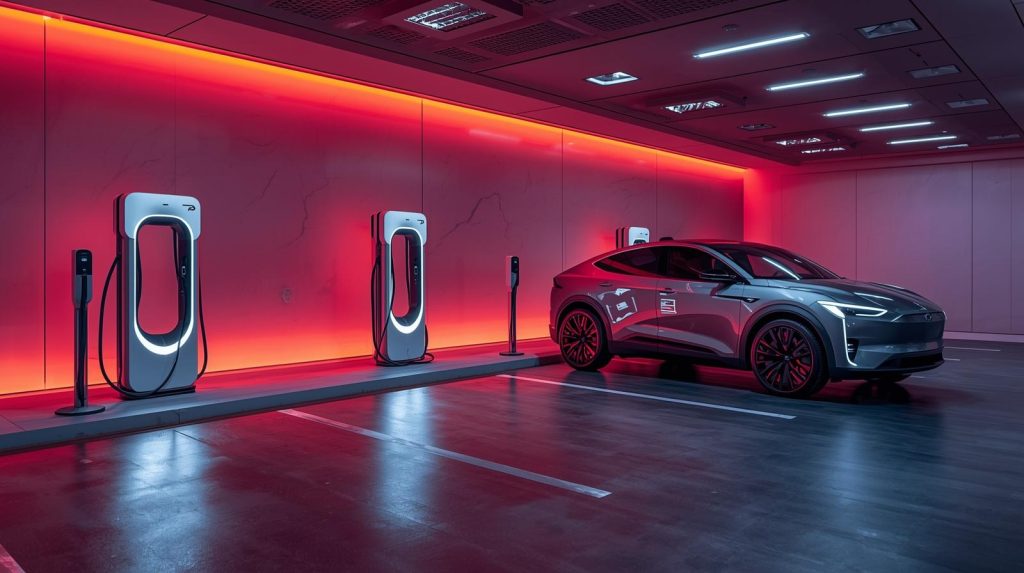
Emerging technologies:
- Solid-state batteries
- Advanced cooling systems
- High-voltage architectures (800V EVs)
- AI-powered charging optimization
These advancements aim to make DC fast charging even safer for battery health.
Pros and Cons of DC Charging
Pros:
- Fast recharge
- Enables long-distance travel
- Convenient for urban and fleet use
Cons:
- Slightly accelerates battery wear if overused
- Generates heat requiring active cooling
Balanced use maximizes benefits while minimizing drawbacks.
Balancing Convenience and Battery Health
The key takeaway:
- DC charging is safe when used properly
- Frequent use accelerates minor wear
- Occasional DC charging is generally harmless
Balancing convenience and battery health ensures long-term EV performance.
Conclusion
So, how do DC chargers affect battery health?
DC chargers, when used responsibly, have minimal impact on modern EV battery longevity. While frequent, high-power charging can slightly accelerate degradation, advanced battery management systems, thermal controls, and manufacturer guidelines help mitigate these effects.
For most EV owners:
- Occasional DC charging is safe
- Daily charging should ideally be AC at home
- Monitoring SOC and temperature protects long-term battery performance
Understanding these factors helps EV owners maximize battery life while enjoying the convenience of DC fast charging.
FAQs: How Do DC Chargers Affect Battery Health?
1. Do DC chargers damage EV batteries?
When used responsibly, DC chargers do not significantly damage EV batteries. Modern EVs are designed with battery management and thermal systems to handle occasional fast charging safely.
2. How frequently can I use DC fast chargers without affecting battery health?
Occasional use, such as during long trips or urgent top-ups, is safe. Daily or frequent DC fast charging may slightly accelerate battery wear over time.
3. Why does DC fast charging impact battery health more than Level 2 charging?
DC chargers deliver high voltage and current directly to the battery, generating heat and increasing chemical stress, which can contribute to minor long-term degradation if overused.
4. What factors influence battery degradation during DC charging?
Key factors include:
- Charging speed and power level
- Battery temperature
- State of charge (SOC)
- Battery chemistry and design
- Frequency of DC charging
5. How can I protect my EV battery when using DC chargers?
- Limit charging to 20–80% SOC
- Avoid charging at extreme temperatures
- Use DC charging primarily for long trips or emergencies
- Follow manufacturer guidelines
6. Do all EVs respond the same to DC fast charging?
No. Battery chemistry matters:
- LFP batteries are more tolerant of fast charging
- NCM or NCA batteries may be slightly more sensitive to heat and high current
7. Are there technological safeguards to protect batteries during DC charging?
Yes. Modern EVs include:
- Battery Management Systems (BMS)
- Thermal management systems
- Smart charging curves
These technologies regulate current and temperature to minimize degradation.
8. Can frequent DC fast charging significantly shorten battery life?
Frequent, daily DC charging can slightly accelerate capacity fade, but modern batteries are resilient and typically maintain usable life for 8–10+ years under normal conditions.
9. Does preconditioning the battery help during DC fast charging?
Yes. Preconditioning (heating or cooling the battery to an optimal temperature) reduces stress, improves charging efficiency, and minimizes impact on battery health.
10. Is DC fast charging safe for EV fleets?
Yes. Fleet EVs are often designed for high utilization, and proper thermal management, charger scheduling, and BMS controls ensure minimal impact on battery health.