

As electric vehicles (EVs) continue to reshape the global automotive landscape, charging technology has become a critical topic for both new and experienced EV owners. Among the various charging options available today, DC charging, commonly known as DC fast charging, stands out for its ability to deliver rapid energy to EV batteries.
However, while DC charging offers undeniable convenience and speed, it also comes with certain drawbacks that every EV owner should understand. This is why exploring the pros and cons of DC charging is essential before relying heavily on this charging method.
Introduction to DC Charging
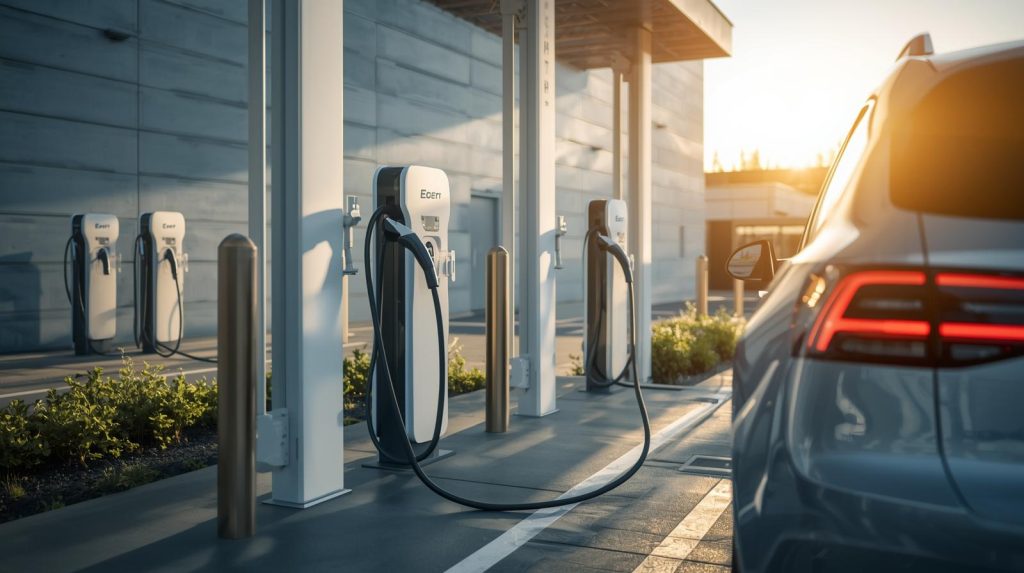
Electric vehicles rely entirely on electricity, making charging speed and availability crucial. While home AC charging satisfies daily needs for most drivers, DC charging fills a vital gap by enabling rapid energy replenishment during long trips and high-demand scenarios.
Understanding the pros and cons of DC charging helps EV owners strike the right balance between convenience, cost, and battery longevity.
What Is DC Charging?
DC charging, also known as DC fast charging or Level 3 charging, supplies direct current (DC) directly to an EV’s battery. Unlike AC charging, which requires conversion inside the vehicle, DC charging bypasses the onboard charger, enabling much higher power delivery.
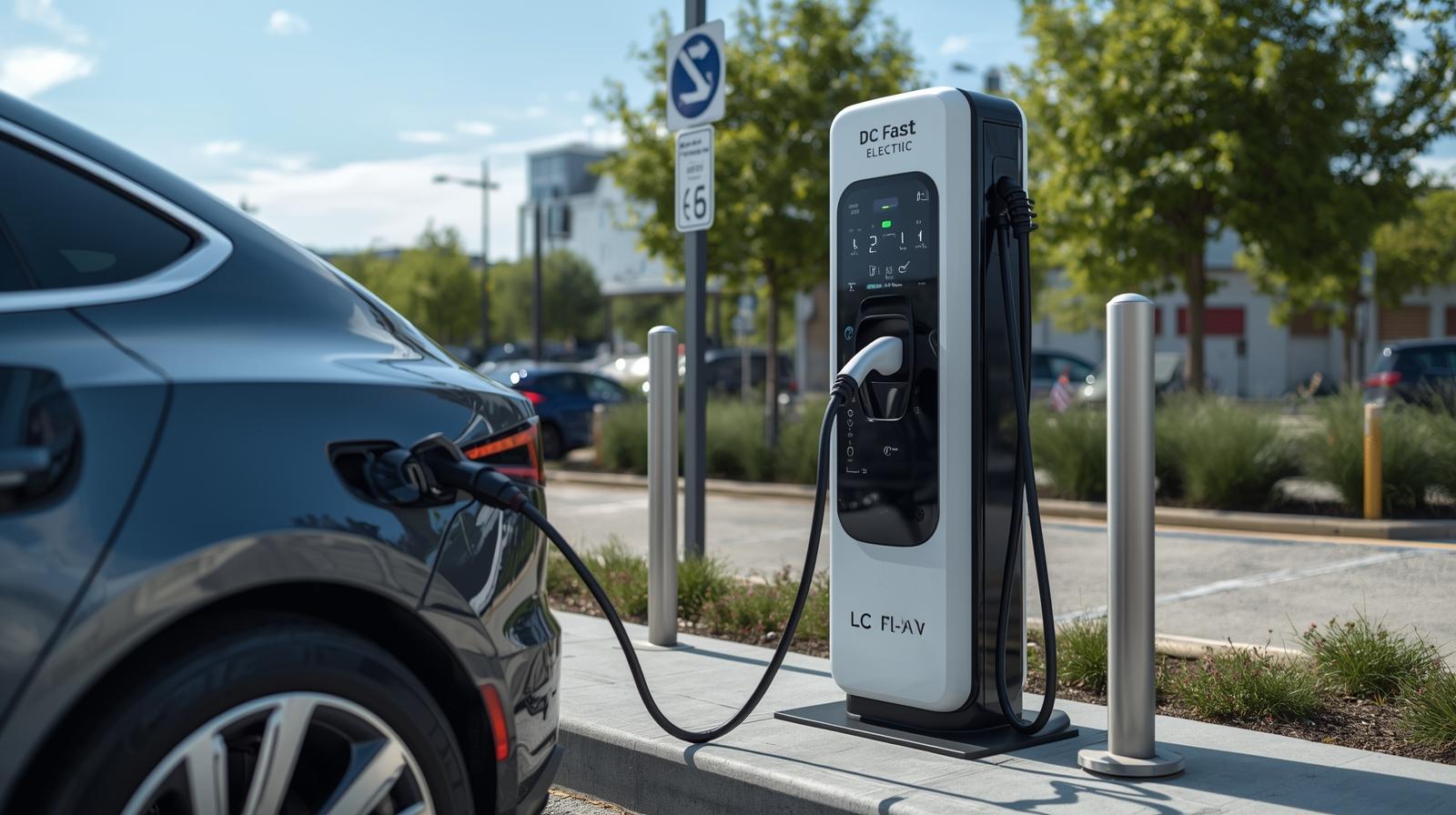
Typical characteristics include:
- Power output: 50 kW to 350+ kW
- Charging time: 15–45 minutes for 0–80%
- Common locations: highways, public charging hubs, fleet depots
How DC Charging Works
DC chargers communicate directly with the EV’s Battery Management System (BMS) to determine:
- Maximum allowable voltage
- Current limits
- Battery temperature
- State of charge (SOC)
The charger dynamically adjusts power delivery to ensure safe and efficient charging.
DC Charging vs AC Charging
| Feature | AC Charging | DC Charging |
|---|---|---|
| Current Type | Alternating Current | Direct Current |
| Power Output | 3–22 kW | 50–350+ kW |
| Charging Speed | Slow to moderate | Very fast |
| Installation Cost | Low | High |
| Best Use Case | Daily home charging | Long trips, urgent charging |
Types of DC Chargers
- 50 kW DC Chargers – Urban fast charging
- 150 kW DC Chargers – Highway and commercial use
- 350 kW Ultra-Fast Chargers – High-performance EVs
Why DC Charging Is Important for EV Adoption
DC charging supports mass EV adoption by:
- Enabling long-distance travel
- Reducing downtime
- Supporting commercial fleets
- Enhancing public charging confidence
Key Pros of DC Charging
The pros and cons of DC charging become clearer when examining its benefits in real-world use cases.
Pro 1: Ultra-Fast Charging Speed
The most significant advantage of DC charging is speed:
- Adds hundreds of miles of range in minutes
- Ideal for highway stops
- Minimizes charging downtime
Pro 2: Convenience for Long-Distance Travel
DC charging enables EVs to compete with gasoline vehicles on long trips by offering:
- Quick stop-and-go charging
- Strategic placement along highways
- Seamless route planning
Pro 3: Reduced Range Anxiety
Knowing a fast charger is nearby gives drivers confidence, reducing concerns about running out of battery.
Pro 4: Commercial and Fleet Benefits
Fleet operators benefit from DC charging through:
- Faster vehicle turnaround
- Higher utilization rates
- Predictable charging schedules
Pro 5: Scalability for Public Infrastructure
DC fast chargers support:
- High traffic locations
- Multiple vehicle charging
- Urban and highway deployment
Pro 6: Energy Efficiency at Scale
At high power levels, DC charging can be more efficient due to reduced conversion losses compared to onboard AC conversion.
The Cons of DC Charging
Despite its advantages, the cons of DC charging are equally important to understand.
Con 1: Impact on Battery Health
Frequent DC fast charging can:
- Accelerate battery degradation
- Increase chemical stress
- Reduce long-term capacity slightly
Occasional use is safe, but daily reliance may shorten battery lifespan.
Con 2: Heat Generation and Thermal Stress
High power levels generate significant heat, which:
- Requires advanced cooling
- Can stress battery cells
- Impacts charging efficiency
Con 3: High Installation and Equipment Costs
DC chargers are expensive:
- Equipment: $20,000–$100,000+
- Installation: $20,000–$80,000+
- Maintenance costs are also higher
Con 4: Limited Home Installation Feasibility
Most homes cannot install DC chargers due to:
- Single-phase power supply
- Lack of three-phase infrastructure
- Utility restrictions
Con 5: Grid Load and Energy Demand
DC charging places high demand on the electrical grid, which can:
- Increase peak load
- Require grid upgrades
- Lead to higher electricity costs
Con 6: Charging Curve Limitations
DC charging slows significantly after 80% SOC to protect battery health, making full charges inefficient.
Con 7: Compatibility and Standardization Issues
Different connectors and standards (CCS, CHAdeMO, GB/T) can limit compatibility in certain regions.
Con 8: Cost to Consumers
DC fast charging often costs more per kWh than home AC charging, especially during peak hours.
. Con 9: Environmental Considerations
High-power charging increases:
- Energy demand
- Cooling requirements
- Infrastructure footprint
When DC Charging Makes Sense
DC charging is ideal when:
- Traveling long distances
- Facing urgent charging needs
- Operating commercial fleets
- Lacking access to home charging
When DC Charging Should Be Avoided
Avoid frequent DC charging when:
- Charging overnight at home
- Battery longevity is a priority
- Cost minimization is important
Best Practices for Using DC Charging
- Use DC charging occasionally
- Charge up to 80%
- Combine with Level 2 AC charging
- Follow manufacturer guidelines
Role of Battery Management Systems (BMS)
Modern BMS technology:
- Regulates current and voltage
- Prevents overheating
- Protects battery health
Future Advancements in DC Charging
Innovations include:
- 800V architectures
- Improved cooling systems
- Solid-state batteries
- Smart grid integration
Common Myths About DC Charging
- Myth: DC charging always damages batteries → False
- Myth: Faster is always better → Not always
- Myth: Home DC charging is common → Rare
Summary of Pros and Cons of DC Charging
Pros:
- Extremely fast
- Ideal for long trips
- Reduces range anxiety
- Essential for public infrastructure
Cons:
- Higher cost
- Battery stress if overused
- Limited home feasibility
- Grid and infrastructure challenges
Conclusion
Understanding the pros and cons of DC charging allows EV owners to use this powerful technology wisely. DC fast charging is an essential component of modern EV infrastructure, offering unmatched speed and convenience. However, it should complement—not replace—regular AC charging.
For most EV drivers, the best strategy is a balanced approach: use AC charging for daily needs and DC charging for long trips and urgent situations. This approach ensures convenience, cost efficiency, and long-term battery health.
FAQs: Pros and Cons of DC Charging
1. What is DC charging for electric vehicles?
DC charging, also known as DC fast charging, supplies direct current straight to an EV battery, enabling much faster charging than AC chargers.
2. What are the main advantages of DC charging?
The biggest advantages are ultra-fast charging speeds, reduced range anxiety, convenience for long-distance travel, and suitability for commercial fleets.
3. What are the disadvantages of DC charging?
Key disadvantages include higher costs, increased battery stress if used frequently, heat generation, limited home installation, and high grid demand.
4. Does DC charging damage EV batteries?
Occasional DC charging does not damage EV batteries. However, frequent or daily use may slightly accelerate battery degradation over time.
5. Is DC charging better than AC charging?
DC charging is faster but not better for daily use. AC charging is more cost-effective and gentler on battery health for routine charging needs.
6. Can DC fast chargers be installed at home?
In most cases, no. DC fast chargers require high-voltage, three-phase power and expensive infrastructure upgrades that most homes lack.
7. Why does DC charging slow down after 80%?
Charging speed decreases after 80% to protect battery health and prevent overheating, a process controlled by the vehicle’s Battery Management System.
8. Is DC charging more expensive than AC charging?
Yes. DC fast charging usually costs more per kilowatt-hour due to higher infrastructure, energy demand, and operational costs.
9. When should EV owners use DC charging?
DC charging is best for long-distance travel, emergencies, or when quick charging is required, rather than for daily charging routines.
10. How can I use DC charging safely and efficiently?
Limit frequent use, charge only up to 80%, combine DC charging with AC charging, and follow manufacturer recommendations to maintain battery health.