
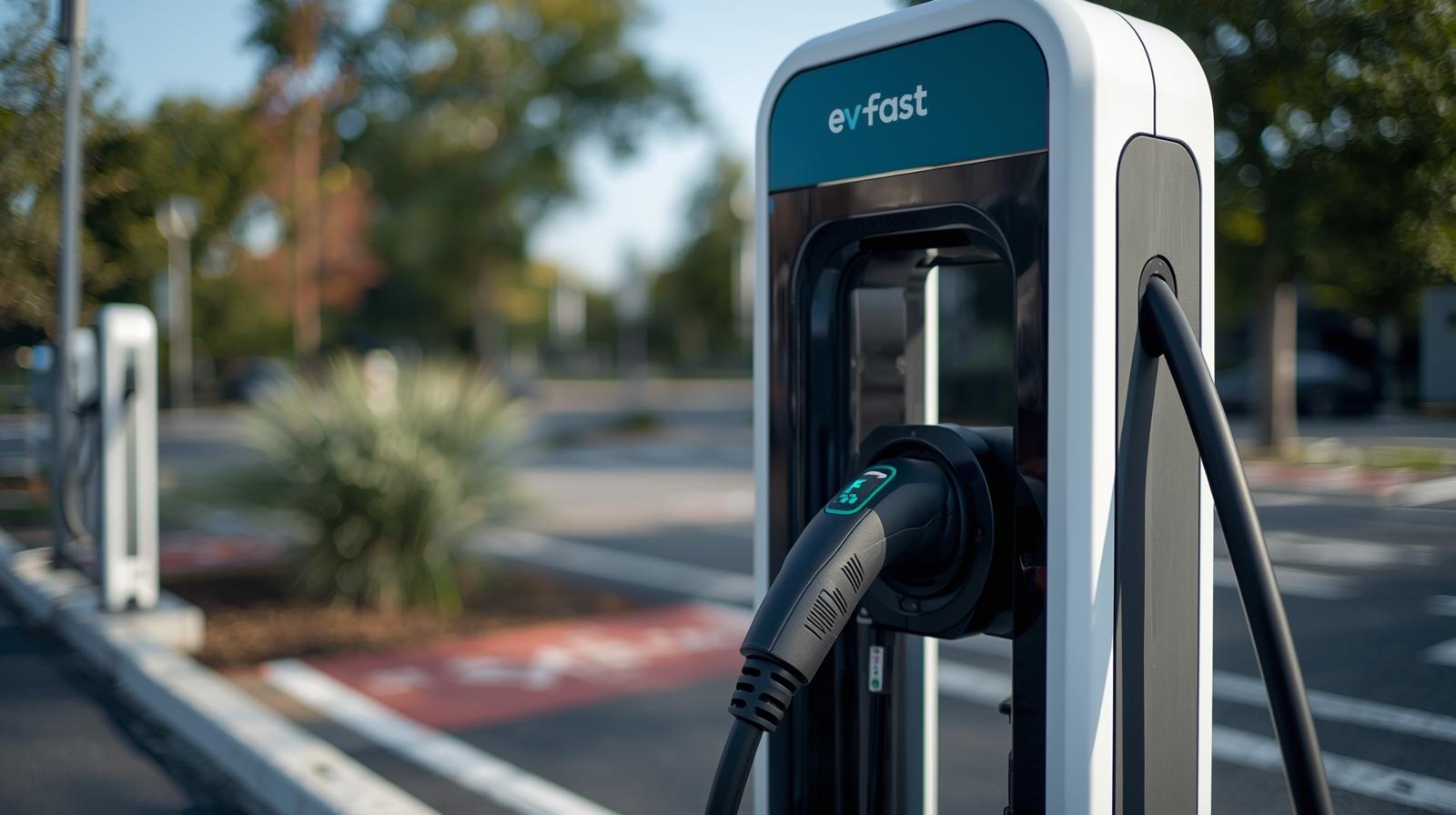
Electric vehicles (EVs) are rapidly becoming a mainstream transportation choice across the world. One of the biggest innovations driving this shift is EV fast charging, also known as DC fast charging. It allows drivers to recharge their vehicles in minutes instead of hours, making long-distance travel more practical than ever before.
However, while fast charging offers undeniable convenience, it is not without trade-offs. Many EV owners, potential buyers, and fleet operators are now asking an important question:
What are the disadvantages of EV fast charging?
This article provides a deep, balanced, and evidence-based analysis of the downsides of EV fast charging. We will explore battery health concerns, higher costs, infrastructure limitations, efficiency losses, grid impact, and real-world usability challenges, while maintaining a neutral and fact-driven perspective.
Introduction to EV Fast Charging
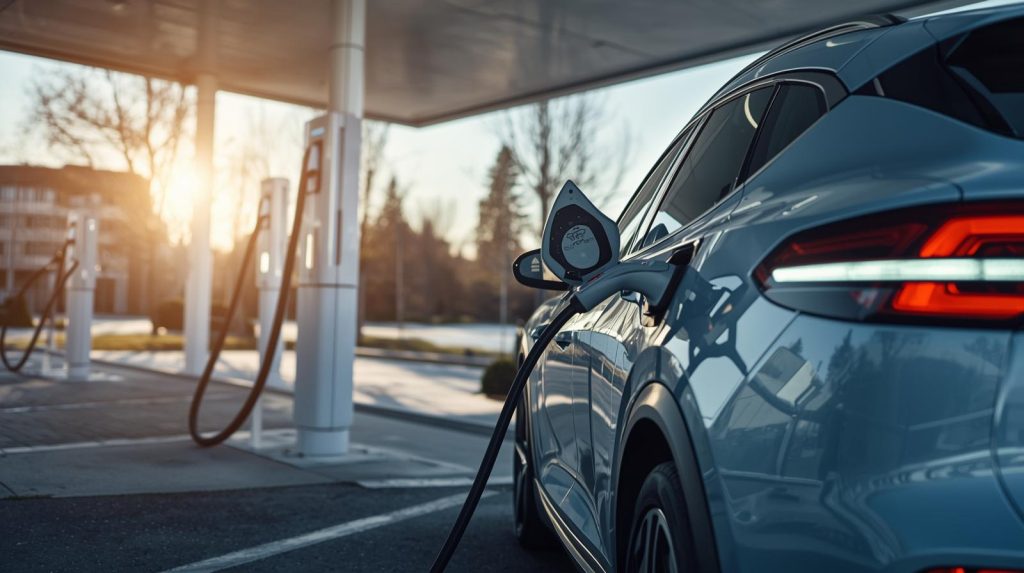
EV fast charging has revolutionized electric mobility by dramatically reducing charging times. Instead of waiting overnight, drivers can add hundreds of kilometers of range in under 30 minutes.
However, convenience often comes at a cost. To fully understand what are the disadvantages of EV fast charging, it’s essential to look beyond marketing claims and explore the technical and economic realities.
What Is EV Fast Charging?
EV fast charging, also known as DC fast charging or Level 3 charging, delivers direct current (DC) straight to the vehicle’s battery.
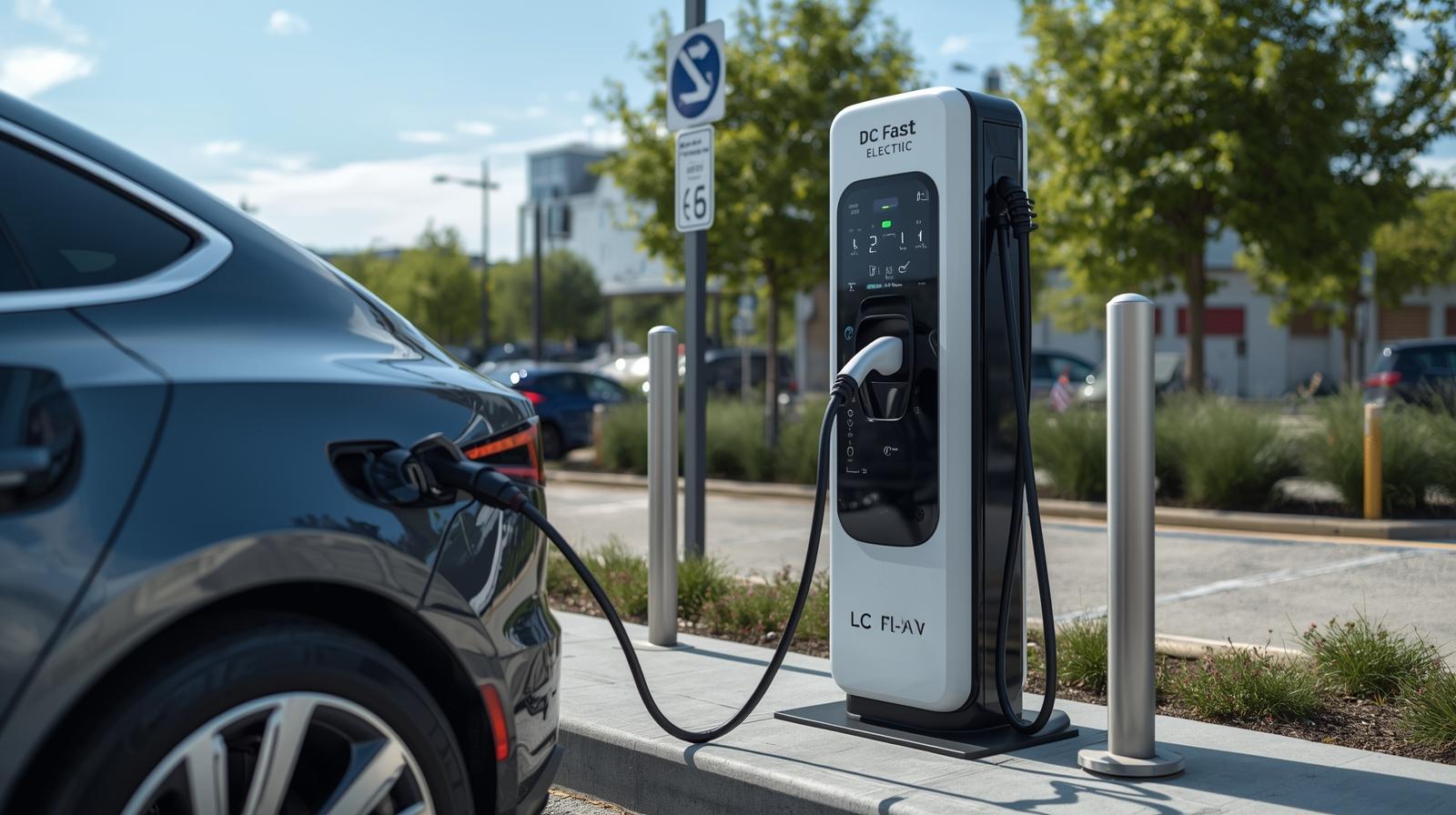
Key characteristics:
- Power output: 50 kW to 350+ kW
- Charging time: 15–45 minutes (0–80%)
- Common locations: highways, charging hubs, commercial stations
Why EV Fast Charging Is Popular
Fast charging is popular because it:
- Enables long-distance travel
- Reduces downtime
- Supports commercial and fleet operations
- Makes EVs more comparable to gasoline vehicles
Despite these advantages, understanding what are the disadvantages of EV fast charging helps drivers use it wisely.
Understanding the Charging Basics
EV batteries store direct current (DC), while most power grids supply alternating current (AC). Fast chargers convert AC to DC externally and deliver high power directly to the battery.
This process explains speed—but also introduces several disadvantages.
Increased Battery Degradation Risk
One of the most discussed disadvantages is battery wear.
Fast charging pushes large amounts of energy into the battery in a short time, accelerating chemical reactions inside lithium-ion cells. Over time, this can lead to:
- Faster capacity loss
- Reduced range
- Increased internal resistance
Although modern EVs are designed to handle fast charging, frequent use can increase degradation compared to slow charging.
Heat Generation and Thermal Stress
Heat is one of the biggest enemies of battery health.
EV fast charging generates more heat because:
- Higher current flows through the battery
- Faster electrochemical reactions occur
While EVs have cooling systems, repeated exposure to high heat can still contribute to long-term battery stress.
Reduced Long-Term Battery Capacity
Studies and real-world data show that EVs relying heavily on fast charging may experience:
- Slightly faster capacity loss
- Reduced driving range over time
Although the difference is often small, it is a key consideration when evaluating what are the disadvantages of EV fast charging.
Higher Charging Costs
Fast charging is significantly more expensive than home charging.
Reasons include:
- High infrastructure costs
- Commercial electricity rates
- Maintenance and cooling expenses
In many regions, DC fast charging can cost 2–4 times more per kWh than home AC charging.
Utility Demand Charges
Fast charging stations face demand charges from utilities due to sudden spikes in power consumption.
These costs are often passed on to consumers, making fast charging less economical for daily use.
Limited Availability of Fast Chargers
Despite rapid expansion, fast chargers are still:
- Unevenly distributed
- Concentrated in urban or highway areas
- Scarce in rural regions
This limited availability is a practical disadvantage for many EV owners.
Inconsistent Charging Speeds
Fast charging speeds vary due to:
- Battery state of charge
- Temperature
- Vehicle charging capability
- Charger power rating
Drivers may not always get the advertised charging speed, leading to frustration.
Charging Speed Tapering Issues
Fast charging slows significantly after 70–80% charge.
This means:
- Full charges take much longer
- Fast charging is inefficient for topping off
- Time savings diminish near full capacity
Not Suitable for Daily Charging
Most manufacturers recommend:
- AC charging for daily use
- Fast charging for occasional needs
Using fast charging daily can amplify battery wear, making it one of the key answers to what are the disadvantages of EV fast charging.
Grid Load and Infrastructure Stress
Fast chargers draw massive power loads, which can:
- Stress local electrical grids
- Require expensive grid upgrades
- Increase blackout risks during peak demand
This creates challenges for widespread fast charger deployment.
Environmental Impact of Fast Charging
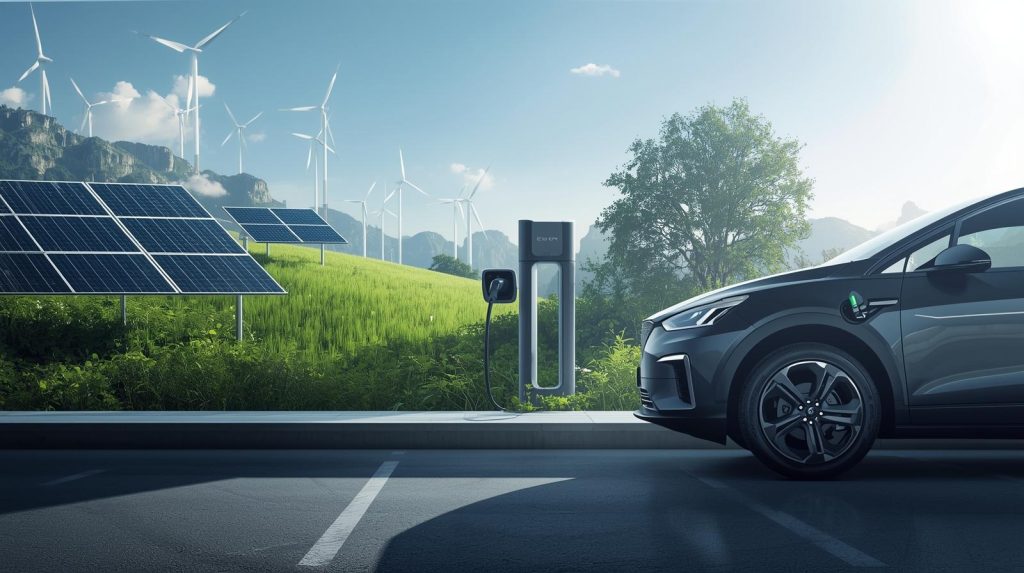
While EVs are environmentally friendly, fast charging can:
- Increase peak electricity demand
- Rely on fossil-fuel-based grid power during peaks
- Reduce overall energy efficiency
This partially offsets environmental benefits in some regions.
Energy Efficiency Losses
Fast charging can involve:
- Higher conversion losses
- Additional cooling energy consumption
Slow charging is generally more energy-efficient.
Impact on Battery Warranty and Resale Value
Although warranties cover fast charging, heavy reliance on it may:
- Reduce perceived resale value
- Show higher battery degradation in diagnostics
Savvy buyers often consider charging history.
Compatibility and Connector Limitations
Different standards (CCS, CHAdeMO, Tesla NACS) can cause:
- Compatibility issues
- Limited charger options
- Adapter dependency
This adds complexity to fast charging.
Queueing and Waiting Time at Stations
Fast charging stations often experience:
- Long queues during peak hours
- Wait times exceeding charging time
This reduces the convenience advantage.
Installation and Infrastructure Costs
Fast chargers are expensive to deploy:
- Equipment costs can exceed $50,000
- Installation requires grid upgrades
- Maintenance costs are high
These costs limit expansion.
Noise and Cooling System Concerns
Fast chargers often use:
- High-powered cooling fans
- Liquid cooling systems
This can result in noticeable noise, especially in urban areas.
Fast Charging vs Slow Charging Comparison
| Feature | Fast Charging | Slow Charging |
|---|---|---|
| Speed | Very High | Moderate |
| Battery Stress | Higher | Lower |
| Cost | Expensive | Cheap |
| Daily Use | Not Ideal | Ideal |
| Efficiency | Lower | Higher |
Best Practices to Reduce Fast Charging Disadvantages
To minimize downsides:
- Use fast charging sparingly
- Avoid charging beyond 80%
- Prefer AC charging at home
- Avoid fast charging in extreme heat
Conclusion: What Are the Disadvantages of EV Fast Charging?
In summary, what are the disadvantages of EV fast charging?
They include:
- Faster battery degradation
- Higher costs
- Increased heat stress
- Lower efficiency
- Grid impact
- Limited availability
Conclusion
EV fast charging is a powerful and necessary technology—but it is not a perfect solution. Understanding what are the disadvantages of EV fast charging allows EV owners to make informed decisions and adopt healthier charging habits.
The smartest approach is balance: use fast charging when convenience matters most, and rely on slower AC charging for daily needs. This strategy delivers the best combination of performance, cost savings, and long-term battery health.
Frequently Asked Questions (FAQs)
1. What are the disadvantages of EV fast charging?
The main disadvantages of EV fast charging include increased battery wear, higher charging costs, heat generation, reduced efficiency, grid strain, and limited availability of fast chargers.
2. Does EV fast charging damage the battery?
EV fast charging does not immediately damage the battery, but frequent use can slightly accelerate battery degradation compared to slower AC charging.
3. Why does fast charging generate more heat in EV batteries?
Fast charging pushes high current into the battery in a short time, increasing internal resistance and heat, which can stress battery cells over time.
4. Is EV fast charging more expensive than home charging?
Yes, EV fast charging typically costs 2–4 times more per kWh than home AC charging due to infrastructure, demand charges, and maintenance costs.
5. Can EV fast charging be used every day?
Most manufacturers do not recommend daily fast charging. Slow AC charging is better for regular use, while fast charging is ideal for occasional needs.
6. Why does EV fast charging slow down after 80%?
Charging speed slows after 80% to protect the battery from overheating and excessive stress, helping preserve long-term battery health.
7. Does EV fast charging affect battery warranty?
No, EV fast charging does not void the battery warranty. Manufacturers design EV batteries to safely support fast charging within specified limits.
8. Are fast chargers bad for long-term EV ownership?
Fast chargers are not bad when used occasionally. Overreliance on fast charging, however, may reduce battery lifespan and increase ownership costs.
9. Is EV fast charging less energy efficient?
Yes, fast charging can be less energy-efficient due to higher conversion losses and the additional power needed for cooling systems.
10. When should EV fast charging be avoided?
EV fast charging should be avoided for daily charging, during extreme heat, or when the battery is already near full charge.