
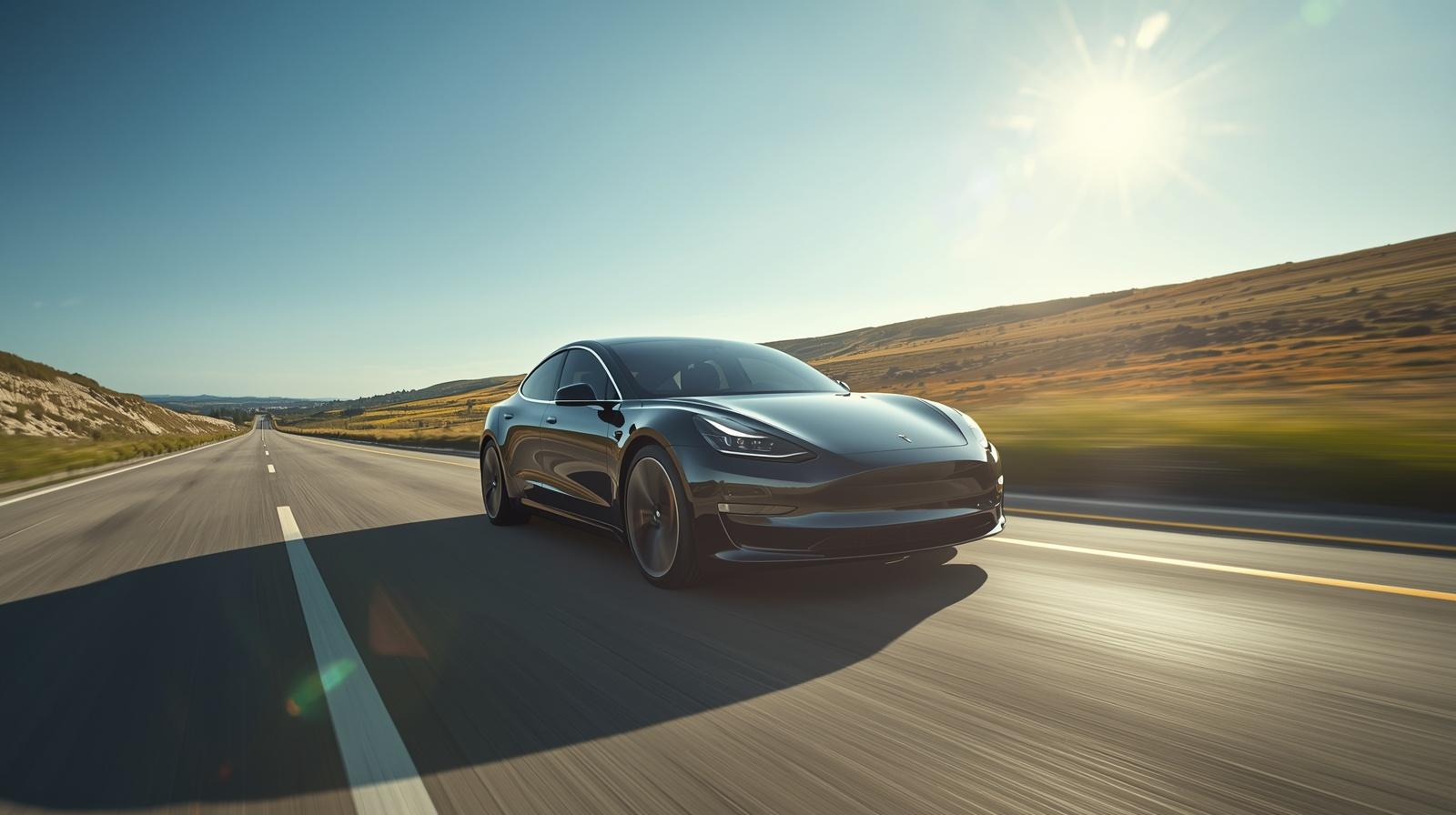
Electric vehicles (EVs) are everywhere now—but many drivers still ask:
Are EVs good for motorway driving?
Motorways (or highways, as we say in the U.S.) are very different from city roads. You drive faster, travel longer distances, and rely heavily on consistent performance.
So, can EVs handle it?
Yes—modern EVs are good for motorway driving, but you need to understand how they perform at high speeds and how to drive efficiently.
In this complete guide, you’ll learn everything in simple language: real performance, pros and cons, range impact, charging tips, and expert advice for long highway trips.
Are EVs Good for Motorway Driving?
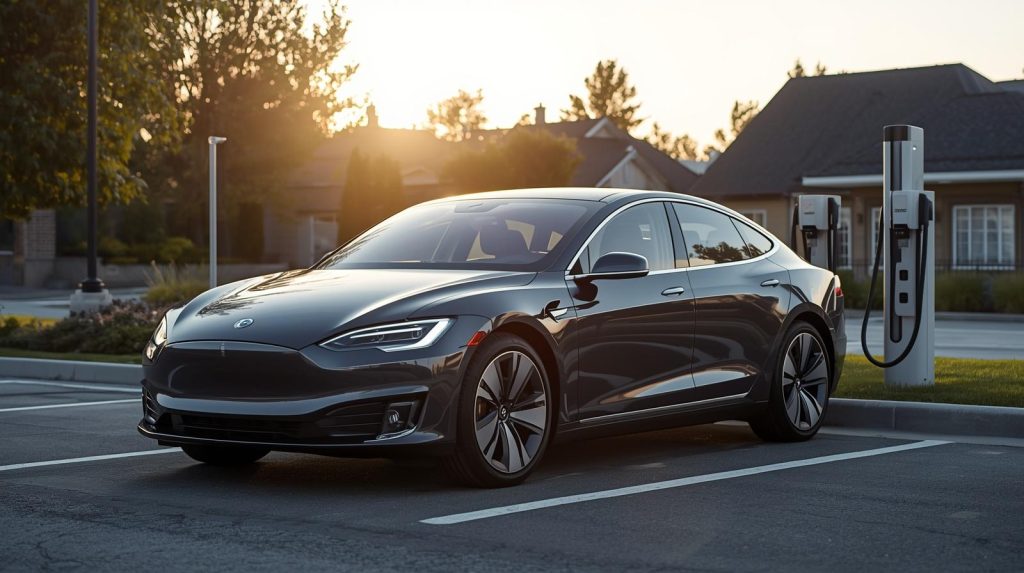
Yes, EVs are good for motorway driving because they offer:
- Smooth and quiet performance
- Instant acceleration
- Advanced cruise control features
However, keep in mind:
- High speeds reduce battery range
- Charging planning is important
Bottom line:
EVs work great on highways—but smart driving makes a big difference.
Why EVs Perform Well on Motorways
Modern electric cars are designed for all types of driving—including highways.
1. Instant Power and Smooth Acceleration
EVs deliver power instantly.
What this means:
- Quick merging onto highways
- Easy overtaking
- No gear shifting
This makes motorway driving feel smooth and effortless.
2. Quiet and Comfortable Driving
EVs are much quieter than gas cars.
Benefits:
- Less engine noise
- Reduced vibration
- More relaxing long drives
Perfect for long road trips across the U.S.
3. Advanced Driving Technology
Most EVs include smart features like:
- Adaptive cruise control
- Lane-keeping assist
- Traffic-aware systems
These features make highway driving safer and less stressful.
The Biggest Challenge: Range at High Speed
While EVs are good for motorway driving, there’s one major factor:
Range decreases at higher speeds
Why Does Range Drop on Highways?
At higher speeds:
- Air resistance increases
- The battery drains faster
- Energy consumption rises
Driving at 75–80 mph can reduce range by 20% to 30%.
Simple Example:
- City driving range: 300 miles
- Highway driving range: 210–240 miles
That’s why planning matters.
Charging on Motorways: Is It Easy in the U.S.?
Charging infrastructure in the U.S. has improved a lot.
Fast Charging Networks
You’ll find charging stations along major highways, including:
- Tesla Superchargers
- Electrify America
- EVgo
These allow:
- Fast charging in 20–40 minutes
- Convenient long-distance travel
Planning Your Charging Stops
Smart drivers:
- Use navigation apps
- Plan charging points in advance
- Avoid running the battery too low
This removes “range anxiety.”
Are EVs Good for Long-Distance Highway Trips?
Yes—but with smart planning.
Benefits for Long Trips:
- Lower fuel costs
- Comfortable driving
- Smooth acceleration
Things to Consider:
- Charging time
- Route planning
- Speed management
EV road trips are different—but still very practical.
EVs vs Gas Cars on Motorways
Let’s compare them:
| Feature | Electric Vehicles (EVs) | Gas Cars |
|---|---|---|
| Fuel Cost | Lower | Higher |
| Noise Level | Very quiet | Noisy |
| Acceleration | Instant | Gradual |
| Refueling Time | Slower (charging) | Fast |
| Range at High Speed | Reduced | Stable |
EVs win in comfort and cost, while gas cars still win in quick refueling.
How to Improve EV Performance on Motorways
Want to get the best experience? Follow these tips:
1. Drive at Moderate Speeds
Stick to 60–70 mph for better efficiency.
2. Use Eco Mode
Eco mode reduces energy usage and improves range.
3. Keep Battery Between 20%–80%
This helps with efficient charging.
4. Plan Charging Stops Early
Don’t wait until the battery is very low.
5. Reduce Air Resistance
Avoid roof racks and keep windows closed.
6. Use Climate Control Wisely
Heating and AC can drain the battery faster.
7. Maintain Tire Pressure
Proper tires improve efficiency.
8. Use Regenerative Braking When Possible
Recover energy when slowing down.
Common Myths About EVs on Motorways
Let’s clear up some confusion.
Myth: EVs are not good for highways
Fact: Modern EVs handle highways very well
Myth: You can’t take EVs on road trips
Fact: Many people travel long distances with EVs
Myth: Charging is too difficult
Fact: Charging networks are growing rapidly in the U.S.
Real-Life Example for U.S. Drivers
Imagine a road trip from New York to Washington, D.C.:
- Start with a full charge
- Drive ~200 miles
- Stop at a fast charger for 30 minutes
- Continue your journey
With proper planning, EV travel is smooth and convenient.
Are EVs Good for Motorway Driving in the Future?
The future looks even better.
Upcoming improvements:
- Longer battery ranges
- Faster charging speeds
- More charging stations
EV motorway driving will become even easier in the next few years.
Final Verdict: Are EVs Good for Motorway Driving?
Yes—EVs are great for motorway driving.
Pros:
- Smooth and quiet ride
- Instant power
- Lower running costs
Cons:
- Reduced range at high speeds
- Need for charging stops
Final Tip:
Drive smart, plan ahead, and use efficient driving habits.
Do that, and your EV will handle highways just as well—if not better—than traditional cars.
FAQs
1. Are EVs suitable for highway driving?
Yes, modern EVs are designed for highway use and perform very well.
2. Do EVs lose range on highways?
Yes, high speeds can reduce range by 20–30%.
3. Can you take long trips in an EV?
Yes, with proper charging planning.
4. Is charging easy on highways in the U.S.?
Yes, fast-charging networks are widely available.
5. What speed is best for EV efficiency on highways?
Around 60–70 mph for optimal range.
Conclusion
So, are EVs good for motorway driving?
Absolutely—if you drive smart.
With better technology, growing charging networks, and smarter driving habits, EVs are becoming one of the best choices for highway travel.
Start your journey with confidence and enjoy the future of driving