
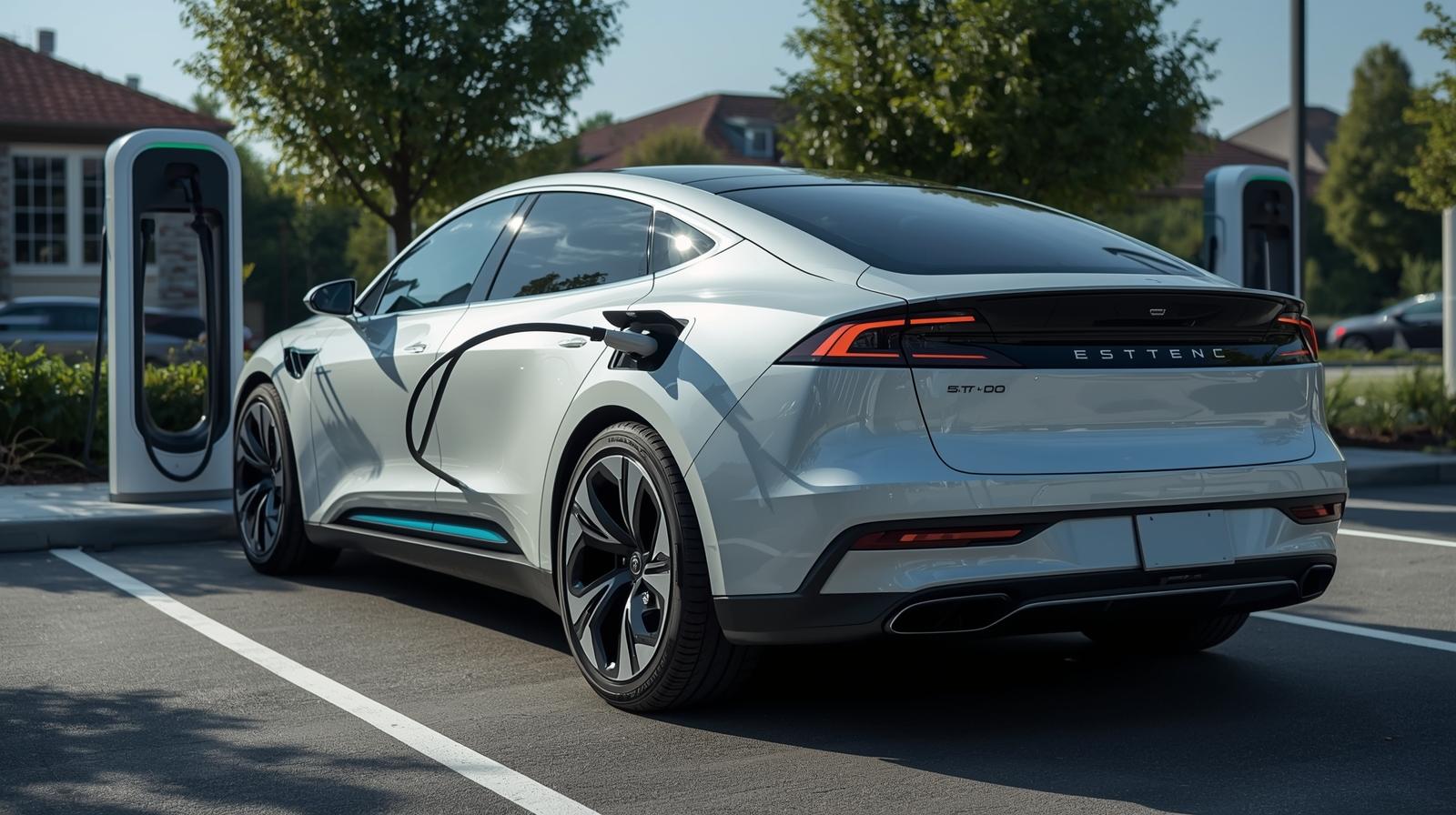
Fast charging has made electric vehicles (EVs) more practical than ever. You can stop for a short break, plug in, and get back on the road quickly.
But many drivers still ask: How often can you fast charge an EV without damaging the battery?
This is an important question because charging habits directly affect battery health, performance, and long-term costs.
In this complete guide, you’ll learn how fast charging works, how often you should use it, and the smartest way to protect your EV battery—explained in simple language anyone can understand.
How Often Can You Fast Charge an EV?
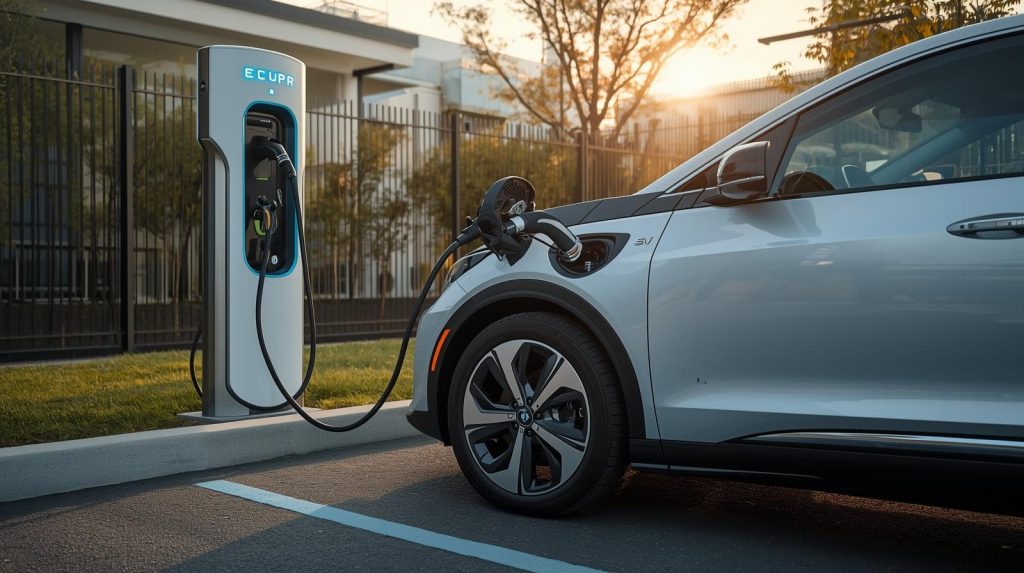
You can fast charge your EV whenever you need it—but:
- Occasional use: Perfectly safe
- Frequent use: Can slowly increase battery wear
- Daily use: Not recommended for long-term battery health
Best practice:
Use fast charging only when necessary, and rely on home (Level 1 or Level 2) charging for daily use.
What Is Fast Charging?
Fast charging (also called DC fast charging) delivers high power directly to your EV battery.
Types of EV Charging:
- Level 1 (Slow): Regular home outlet
- Level 2 (Standard): Home or public chargers
- DC Fast Charging: Rapid charging at public stations
How Fast Is Fast Charging?
- 20% to 80% charge in 20–40 minutes (depending on the EV)
That’s why it’s popular for:
- Road trips
- Emergency charging
- Long-distance travel
How Fast Charging Affects Your EV Battery
To understand how often you can fast charge, you need to know how it impacts your battery.
1. Heat Generation
Fast charging produces more heat than slow charging.
High heat can:
- Stress battery cells
- Reduce efficiency over time
2. Faster Charging = Higher Stress
Charging quickly pushes energy into the battery faster than normal.
This can:
- Increase wear on battery components
- Slightly reduces long-term battery life
3. Battery Management Systems Help
Modern EVs include smart systems that:
- Control temperature
- Limit charging speed when needed
- Protect battery health
So, occasional fast charging is completely safe.
How Often Can You Fast Charge an EV Without Damage?
Let’s break it down clearly.
Safe Usage:
- 1–2 times per week → No major impact
- Occasional road trips → Completely fine
Moderate Usage:
- 3–4 times per week → Slight long-term wear
Heavy Usage:
- Daily fast charging → Faster battery degradation over time
Best strategy:
Use fast charging when needed—not as your main charging method.
Why You Should Avoid Frequent Fast Charging
Even though fast charging is convenient, overusing it has downsides.
1. Faster Battery Degradation
Over time, frequent fast charging can:
- Reduce battery capacity
- Shorten battery lifespan
2. Reduced Efficiency
Your EV may:
- Lose range slightly faster
- Charge less efficiently
3. Higher Costs
Fast charging is often:
- More expensive than home charging
In the U.S., electricity rates at fast chargers can be significantly higher.
Best Charging Routine for EV Owners
Here’s the smartest way to charge your EV:
Daily Charging (Best Option)
Use:
- Level 1 or Level 2 charging at home
Benefits:
- Slower, safer charging
- Better for battery health
Occasional Fast Charging
Use for:
- Road trips
- Long-distance driving
- Emergencies
Think of fast charging like fast food:
Great when needed—but not every day.
When Should You Use Fast Charging?
Fast charging is extremely useful in certain situations.
1. Road Trips
Long drives require quick charging stops.
2. Low Battery Emergencies
If your battery is running low, fast charging saves time.
3. Busy Schedules
When you don’t have time for slow charging.
4. Traveling Without Home Charging
Useful for apartment dwellers or travelers.
Does Temperature Affect Fast Charging?
Yes—temperature plays a big role.
In Cold Weather:
- Charging may slow down
- The battery needs warming
In Hot Weather:
- The battery may heat up faster
- Charging speed may be limited
Modern EVs manage temperature automatically to protect the battery.
Pro Tips to Protect Your Battery While Fast Charging
Follow these tips to keep your battery healthy:
1. Charge Between 20% and 80%
Avoid charging to 100% frequently.
2. Don’t Fast Charge Every Day
Use it only when necessary.
3. Precondition Your Battery
Warm or cool the battery before charging.
4. Plan Charging Stops
Avoid last-minute charging decisions.
5. Drive Smoothly Before Charging
Reduces battery stress.
6. Use Eco Mode
Helps conserve energy and reduce charging frequency.
7. Avoid Extreme Heat
Park in shaded areas when possible.
8. Use Trusted Charging Networks
Ensures safe and reliable charging.
9. Monitor Battery Health
Check your car’s system regularly.
10. Follow Manufacturer Guidelines
Each EV has specific recommendations.
Fast Charging in the United States
The U.S. has a growing EV charging network.
Popular Networks:
- Tesla Supercharger
- Electrify America
- EVgo
These networks make fast charging:
- Easy
- Accessible
- Reliable
Common Myths About Fast Charging
Let’s clear up some confusion.
Myth: Fast charging destroys your battery
Fact: Occasional use is completely safe
Myth: You should never fast charge
Fact: It’s useful when needed
Myth: Fast charging is always bad
Fact: It only becomes harmful with excessive use
Future of Fast Charging
Fast charging technology is improving rapidly.
What to expect:
- Faster charging speeds
- Better battery protection
- Longer-lasting batteries
Future EVs will handle fast charging even better.
Final Verdict: How Often Can You Fast Charge an EV?
You can fast charge your EV as needed—but don’t rely on it daily.
Best Practice:
- Use home charging for daily needs
- Use fast charging for long trips and emergencies
Simple Rule:
Occasional fast charging = safe
Frequent fast charging = more battery wear
FAQs
1. Is it bad to fast charge an EV every day?
Yes, daily fast charging can increase battery wear over time.
2. Can I fast charge twice a day?
Occasionally, yes—but avoid making it a habit.
3. Does fast charging reduce battery life?
Slightly, if used frequently over long periods.
4. What is the best charging method for EVs?
Slow or Level 2 charging is best for daily use.
5. How can I protect my EV battery?
Avoid frequent fast charging, maintain proper charge levels, and follow good driving habits.
Conclusion
Now you know the answer to “how often can you fast charge an EV.”
Fast charging is a powerful tool—but like anything, it should be used wisely.
By balancing fast charging and regular charging, you can:
- Extend battery life
- Save money
- Enjoy a better driving experience
Start charging smarter today and keep your EV running strong for years to come.