
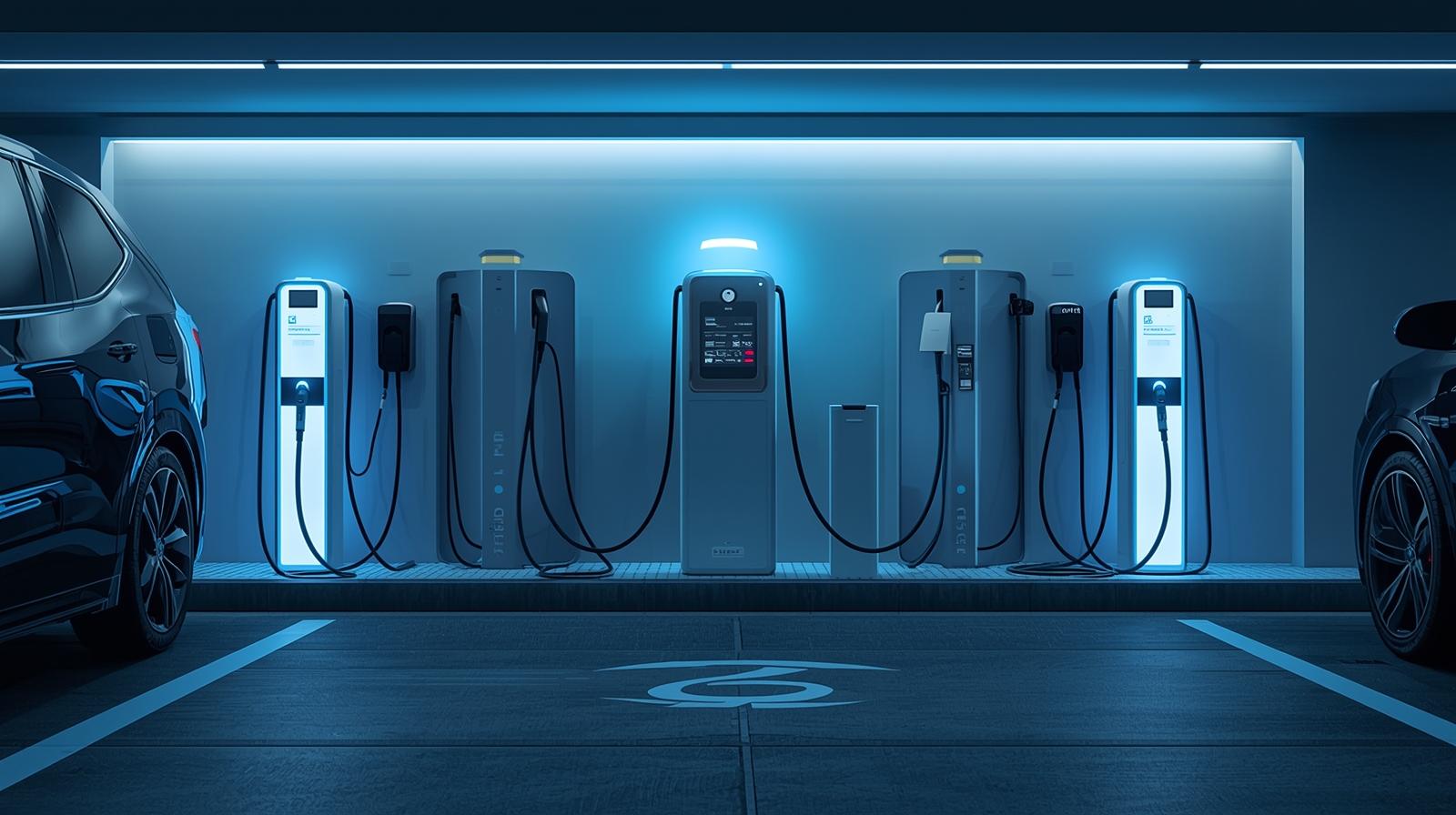
Electric vehicles (EVs) are reshaping the future of transportation, offering cleaner mobility, lower running costs, and reduced dependence on fossil fuels. However, owning or planning to buy an EV comes with one essential responsibility—understanding how EV charging works.
One of the most important concepts every EV owner must understand is EV charging modes. Many people hear terms like Mode 1, Mode 2, Mode 3, and Mode 4 charging but are unsure what they actually mean, how they differ, and which one is best for daily use.
This comprehensive guide on EV charging modes explained breaks down everything you need to know—from technical definitions to real-world use cases. Whether you’re a new EV owner, a fleet operator, or simply researching electric mobility, this article will give you expert-level clarity while remaining easy to understand.
Introduction to EV Charging
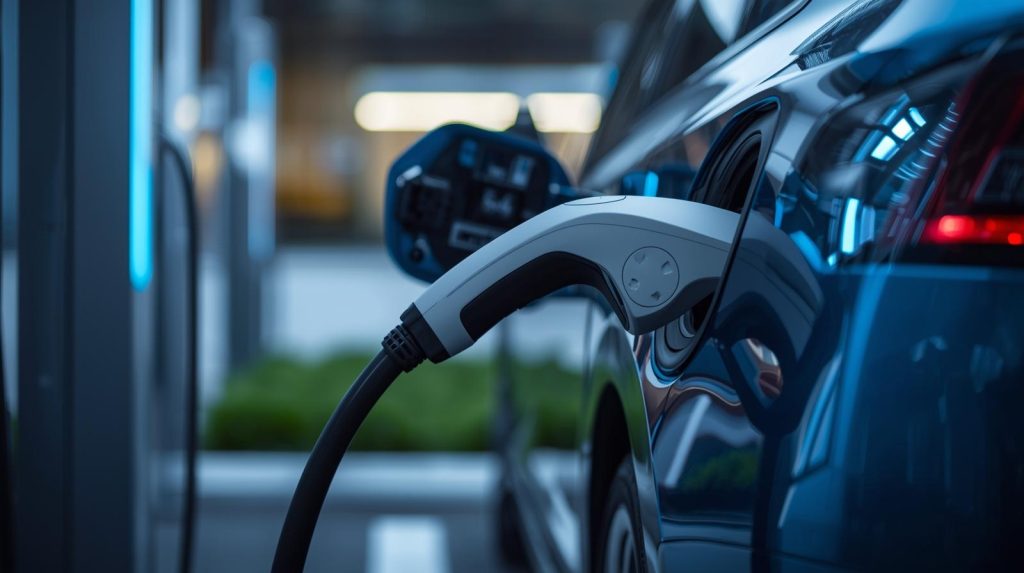
EV charging is the process of transferring electrical energy from a power source to an electric vehicle’s battery. Unlike fueling a petrol car, EV charging can vary significantly in speed, power level, safety features, and infrastructure.
To standardize this process globally, regulatory bodies introduced four EV charging modes. Understanding these modes is the foundation of smart, safe, and cost-effective EV ownership.
Why Understanding EV Charging Modes Matters
Understanding EV charging modes explained is crucial because it helps you:
- Choose the safest charging method
- Reduce charging time
- Protect battery health
- Lower electricity costs
- Select the right home charger
- Avoid electrical hazards
Each charging mode serves a different purpose and environment.
EV Charging Modes Explained: An Overview
The four EV charging modes are defined under the IEC 61851 international standard:
- Mode 1 – Basic AC charging from a standard socket
- Mode 2 – AC charging with in-cable protection
- Mode 3 – Dedicated AC EV charging stations
- Mode 4 – DC fast charging
These modes differ in power delivery, communication level, safety, speed, and infrastructure.
International Standards Behind EV Charging Modes
The IEC (International Electrotechnical Commission) developed EV charging modes to ensure:
- User safety
- Vehicle protection
- Grid stability
- Global compatibility
Thanks to these standards, EV charging remains consistent and safe worldwide.
Comparison Table: All EV Charging Modes
| Mode | Power | Speed | Safety | Typical Use |
|---|---|---|---|---|
| Mode 1 | AC | Very Slow | Low | Emergency only |
| Mode 2 | AC | Slow | Medium | Occasional home |
| Mode 3 | AC | Medium–Fast | High | Daily home & public |
| Mode 4 | DC | Very Fast | Very High | Public fast charging |
Safety Levels Across EV Charging Modes
Safety improves progressively:
- Mode 1: Minimal
- Mode 2: Basic protection
- Mode 3: Advanced protection
- Mode 4: Industrial-grade safety
Charging Speed Comparison
Typical charging times:
- Mode 1: 12–24 hours
- Mode 2: 8–18 hours
- Mode 3: 4–8 hours
- Mode 4: 20–45 minutes
Cost Comparison of EV Charging Modes
- Mode 1 & 2: Low equipment cost
- Mode 3: Moderate installation cost
- Mode 4: Extremely high infrastructure cost
Impact of Charging Modes on Battery Health
- Slower modes are gentler
- Mode 3 offers best balance
- Frequent Mode 4 use can accelerate wear
EV Charging Modes for Home Use
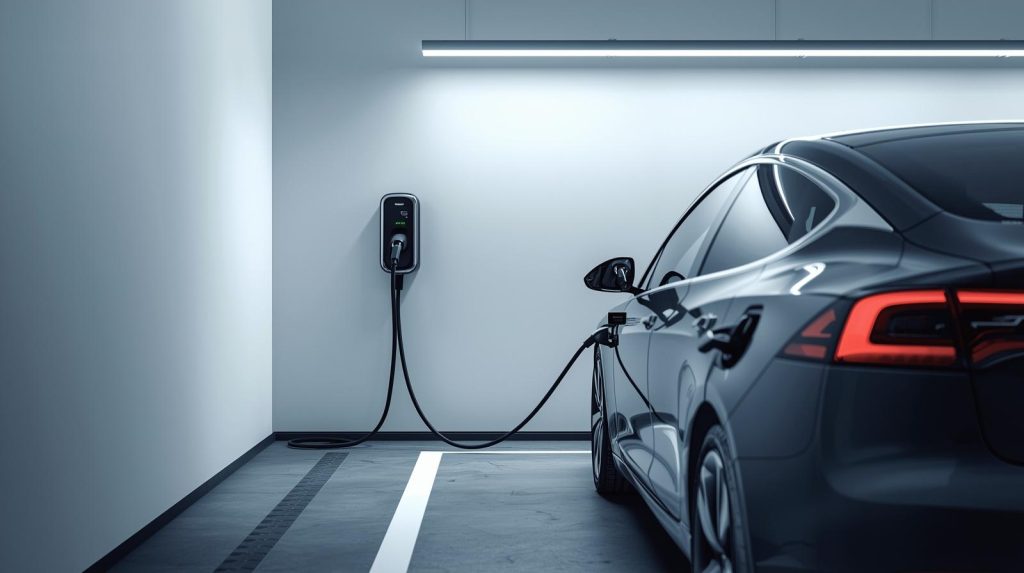
Best home options:
- Mode 2 (temporary)
- Mode 3 (recommended)
EV Charging Modes for Public Charging
Public stations typically use:
- Mode 3 for destination charging
- Mode 4 for fast charging
Best EV Charging Mode for Daily Driving
Mode 3 is ideal for daily charging due to its balance of speed, safety, and efficiency.
Best EV Charging Mode for Long Trips
Mode 4 is essential for long-distance travel, minimizing downtime.
Common Myths About EV Charging Modes
Fast charging ruins batteries instantly
Mode 1 charging is safe for daily use
All charging modes cost the same
All of these are myths.
Future Trends in EV Charging Modes
Future developments include:
- Faster DC charging
- Smarter AC chargers
- Improved battery protection
- Bidirectional charging
Summary: EV Charging Modes Explained
To summarize, EV charging modes explained clearly shows that:
- Mode 1 is basic and outdated
- Mode 2 is safer but slow
- Mode 3 is best for everyday use
- Mode 4 is best for speed and travel
Final Conclusion
Understanding EV charging modes explained empowers EV owners to charge safely, efficiently, and economically. Each charging mode plays a specific role, and choosing the right one ensures a better ownership experience.
For most drivers, Mode 3 charging at home and Mode 4 charging on trips offers the perfect balance between convenience and battery health—supporting a smooth transition to electric mobility.
Frequently Asked Questions (FAQs)
1. What are EV charging modes?
EV charging modes are standardized methods that define how electric vehicles connect to a power source, control charging, and ensure safety. The four modes are Mode 1, Mode 2, Mode 3, and Mode 4.
2. How many EV charging modes are there?
There are four EV charging modes defined under international standards: Mode 1, Mode 2, Mode 3 (AC charging), and Mode 4 (DC fast charging).
3. Which EV charging mode is best for home use?
Mode 3 charging is best for home use because it uses a dedicated wallbox, offers high safety, faster charging, and better battery protection compared to Modes 1 and 2.
4. What is the fastest EV charging mode?
Mode 4 (DC fast charging) is the fastest EV charging mode. It can charge an EV up to 80% in as little as 20–45 minutes, depending on the charger and vehicle.
5. Is Mode 1 EV charging safe?
Mode 1 charging is the least safe and is not recommended for regular use. It lacks communication and advanced safety protections and is restricted in many countries.
6. How does Mode 2 charging differ from Mode 1?
Mode 2 charging includes an in-cable control and protection device (IC-CPD), making it safer than Mode 1, but it is still slower and less efficient than Mode 3.
7. Why is Mode 3 charging recommended for daily EV charging?
Mode 3 charging provides a balance of speed, safety, and efficiency. It includes smart communication between the charger and EV, reducing risks and protecting battery health.
8. Does Mode 4 fast charging damage EV batteries?
Occasional Mode 4 fast charging is safe, but frequent use can increase battery heat and long-term wear. Most manufacturers recommend combining fast charging with regular AC charging.
9. Can I install a Mode 4 DC fast charger at home?
In most cases, no. Mode 4 chargers require high-voltage infrastructure, industrial-grade power supply, and high installation costs, making them impractical for residential use.
10. Which EV charging mode is best for long-distance travel?
Mode 4 DC fast charging is ideal for long-distance travel because it significantly reduces charging time during highway stops.