

Electric vehicles (EVs) have revolutionized transportation by offering cleaner alternatives to internal combustion engines. However, with the rise of EVs comes a variety of charging options that impact battery life, performance, and convenience. A frequently asked question is: “Is slow charging better for EV battery?”
This article delves deep into the topic, explaining the difference between slow (AC) and fast (DC) charging, the science behind battery chemistry, the impact of charging speed on battery health, and best practices for maintaining long-term EV battery performance.
Introduction: Charging and Battery Health
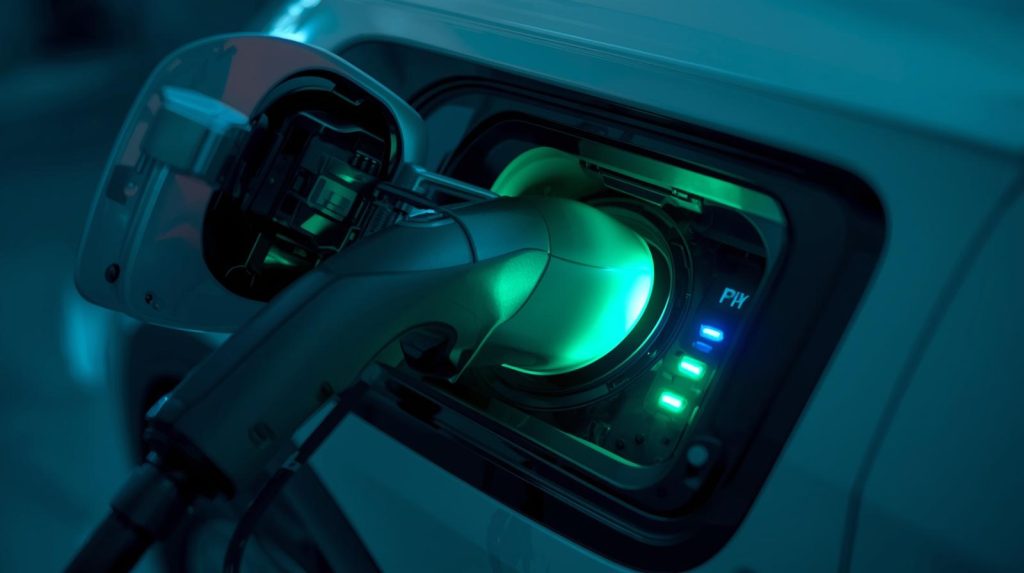
EV batteries are the most critical component of electric vehicles. Proper charging practices influence:
- Battery longevity
- Driving range
- Charging efficiency
- Overall EV performance
The question “is slow charging better for EV battery?” arises because slow charging is often considered gentler on batteries, but its practicality depends on daily usage, trip requirements, and infrastructure availability.
Understanding EV Batteries
Most EVs use lithium-ion batteries, which consist of:
- Anode (negative electrode)
- Cathode (positive electrode)
- Electrolyte
- Separator
During charging, lithium ions move from the cathode to the anode, storing energy. Degradation over time reduces battery capacity, affecting performance and driving range.
What is Slow Charging?
Slow charging refers to low-power AC charging, typically using Level 1 or Level 2 chargers:
- Level 1: 120V, 1.4–2.4 kW, adds 3–8 miles of range per hour
- Level 2: 240V, 7–22 kW, adds 15–60 miles of range per hour
Slow charging is usually done at home or workplaces, where vehicles can remain plugged in for several hours.
What is Fast Charging?
Fast charging refers to high-power DC charging, bypassing the onboard charger:
- Power output: 50–350 kW
- 0–80% charge in 15–45 minutes
- Common at highways, fleet depots, and urban fast-charging hubs
Fast charging is convenient but generates higher currents and heat, which may stress the battery over time.
Key Differences Between Slow and Fast Charging
| Feature | Slow Charging | Fast Charging |
|---|---|---|
| Power | 1–22 kW | 50–350+ kW |
| Speed | 4–12 hours for full charge | 15–45 minutes for 0–80% charge |
| Impact on Battery | Gentle, minimal degradation | Slightly higher stress if used frequently |
| Infrastructure | Simple, low-cost | Complex, high-voltage |
| Best Use Case | Daily home/work charging | Long trips, urgent top-ups |
How Slow Charging Works
Slow charging delivers alternating current (AC) to the onboard charger, which converts AC to DC for battery storage:
- Limited by onboard charger capacity
- Generates minimal heat
- Gentle on battery chemistry
This is why many experts suggest using slow charging for daily charging routines.
How Fast Charging Works
Fast charging delivers direct current (DC) directly to the battery, bypassing the onboard charger:
- Higher voltage and current
- Rapid energy delivery
- Generates heat and chemical stress
- Requires thermal management to prevent damage
Impact of Charging Speed on Battery Chemistry
Battery degradation is influenced by:
- High current (fast charging) → chemical stress
- Heat generation → accelerated wear
- Charge cycles → capacity fade
Slow charging mitigates these effects, reducing thermal and chemical stress on battery cells.
Battery Management Systems (BMS) and Protection
Modern EVs use BMS to:
- Monitor cell voltage and temperature
- Adjust charging rate dynamically
- Protect against overcurrent and overvoltage
BMS ensures that both slow and fast charging remain safe for the battery.
Thermal Management and Charging
Heat is the primary cause of accelerated battery degradation:
- Slow charging produces minimal heat
- Fast charging generates more heat, requiring cooling systems
- Proper thermal management ensures fast charging is safe
Pros of Slow Charging for Battery Health
- Minimal thermal and chemical stress
- Reduces long-term capacity fade
- Gentle on battery for daily charging
- Lower cost and simpler installation
Cons of Slow Charging
- Time-consuming, not suitable for urgent charging
- Less practical for long trips
- Limited public infrastructure in some areas
Pros and Cons of Fast Charging
Pros:
- Rapid energy replenishment
- Ideal for long-distance travel
- Reduces downtime
Cons:
- Slightly higher battery stress
- Requires high-voltage infrastructure
- Higher cost
Comparing Battery Degradation: Slow vs Fast Charging
| Charging Type | Short-Term Impact | Long-Term Impact |
|---|---|---|
| Slow Charging | Minimal | Very low degradation |
| Fast Charging | Slight stress | Minor capacity fade if used frequently |
Manufacturer Guidelines on Charging Speed
EV manufacturers generally recommend:
- Use slow charging for daily charging
- Reserve fast charging for long trips or emergencies
- Avoid charging to 100% frequently with fast chargers
Real-World Studies and Findings
Studies show:
- Occasional DC fast charging: negligible impact
- Frequent daily fast charging: minor capacity reduction over years
- Slow charging maintains battery health over time
Frequency of Charging and Its Impact
- Daily slow charging: ideal
- Occasional fast charging: safe
- Daily fast charging: may slightly accelerate degradation
State of Charge (SOC) Recommendations
- Charge between 20–80% for longevity
- Avoid full 100% charges with fast charging
- Monitor battery health via manufacturer apps
Tips for Optimizing EV Battery Health
- Use slow AC charging for daily needs
- Limit fast DC charging to long trips or urgent top-ups
- Precondition battery temperature
- Follow manufacturer guidelines
Slow Charging in Home and Workplace Environments
- Home Level 2 chargers are ideal for overnight charging
- Workplace chargers support daily commuting
- Gentle on batteries and convenient for extended parking
Fast Charging in Long-Distance Travel
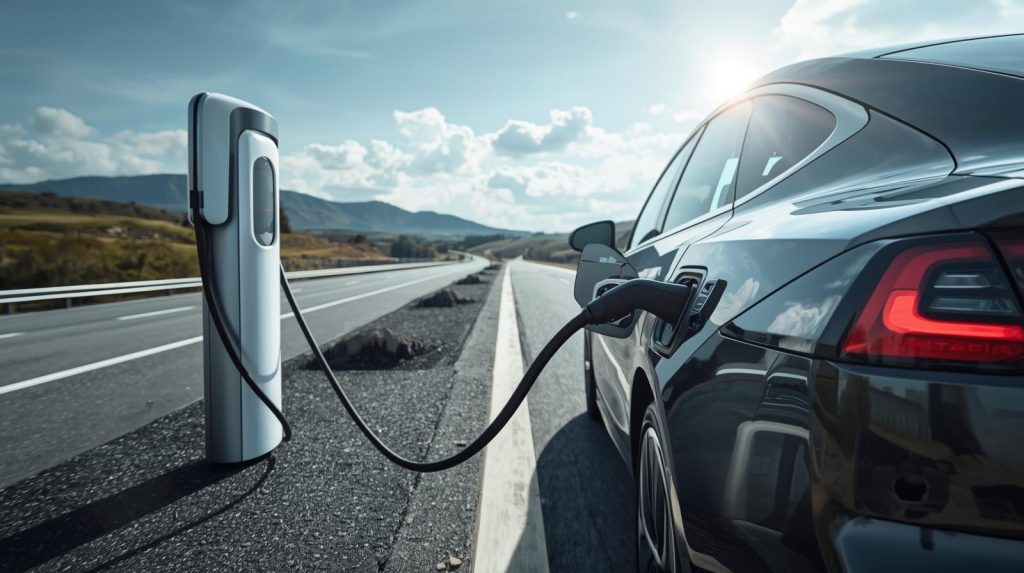
- DC fast charging reduces downtime
- Essential for highway trips
- Thermal management ensures safety
Fleet Operations and Charging Strategies
- Overnight slow charging for daily operations
- DC fast charging for high-mileage fleet vehicles
- BMS and thermal management critical for longevity
Misconceptions About Slow Charging
- Myth: Slow charging is obsolete → False, ideal for daily use
- Myth: Fast charging always damages batteries → False if used responsibly
- Myth: Only fast charging matters → Slow charging extends battery life
Technological Advancements to Protect Batteries
- Smart BMS and thermal management
- 800V battery architecture for safe fast charging
- AI-based charging optimization
- Battery chemistries tolerant of higher currents
Summary of Slow vs Fast Charging
- Slow charging is gentler, safer, and better for battery longevity
- Fast charging is convenient and time-saving but slightly more stressful
- Optimal EV charging combines daily slow charging with occasional fast charging
Conclusion
So, is slow charging better for EV battery?
Yes, slow charging is generally better for maintaining battery health and longevity. It reduces thermal stress, chemical degradation, and capacity fade. Fast charging remains essential for long trips, emergencies, and high-utilization scenarios but should not replace routine slow charging.
By following proper charging practices, EV owners can maximize battery life, ensure safety, and enjoy a convenient driving experience.
FAQs: Is Slow Charging Better for EV Battery?
1. Is slow charging better for EV battery health?
Yes, slow charging is gentler on EV batteries, reduces heat and chemical stress, and helps maintain long-term battery capacity.
2. How does slow charging differ from fast charging?
Slow charging uses AC power through the onboard charger at 1–22 kW, while fast charging uses DC power directly to the battery at 50–350 kW, providing rapid energy replenishment.
3. Can I use fast charging regularly without harming my battery?
Occasional fast charging is safe, but frequent daily use may slightly accelerate battery degradation over time. Slow charging is recommended for routine daily charging.
4. What is the best way to charge an EV battery for longevity?
Charge using slow AC chargers for daily use, maintain a state of charge between 20–80%, and use fast DC charging only for long trips or emergencies.
5. Does slow charging take too long for practical use?
Slow charging is ideal for home or workplace environments where the vehicle remains plugged in for several hours, such as overnight charging.
6. How does slow charging protect battery health?
It minimizes heat generation, reduces chemical stress, and avoids high current peaks that can accelerate battery degradation.
7. Are there technological advancements that make fast charging safer?
Yes. Modern EVs use advanced Battery Management Systems (BMS), thermal management, and battery chemistries designed to safely handle fast charging.
8. Can slow charging support long-distance travel?
No, slow charging is better suited for daily charging needs. Long-distance travel requires DC fast charging to minimize downtime.