
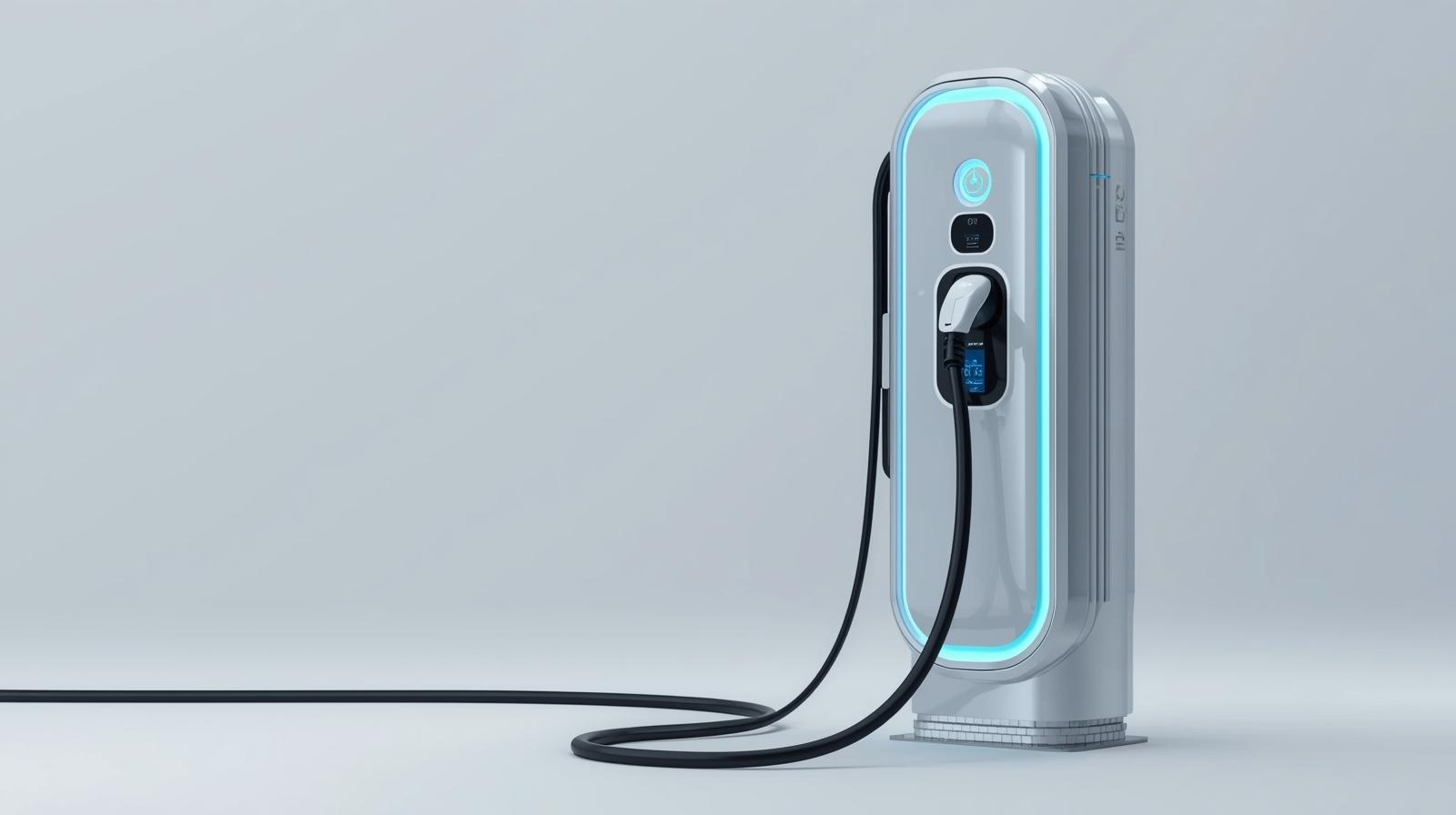
As electric vehicles (EVs) continue to replace internal combustion engine cars worldwide, one question dominates the minds of drivers, fleet operators, and businesses alike: How fast can an EV charge? The answer depends largely on one critical factor—the charging speeds of DC EV chargers.
DC EV chargers, often referred to as DC fast chargers or Level 3 chargers, represent the fastest charging technology available today. They are the backbone of public charging networks, enabling long-distance travel, reducing range anxiety, and making EV ownership more practical for millions of drivers.
However, charging speed is not as simple as a single number printed on a charger. The charging speeds of DC EV chargers depend on multiple technical, environmental, and vehicle-specific factors. This in-depth guide explains everything you need to know—from power levels and charging curves to real-world performance and future innovations.
Introduction to DC EV Charging Speeds
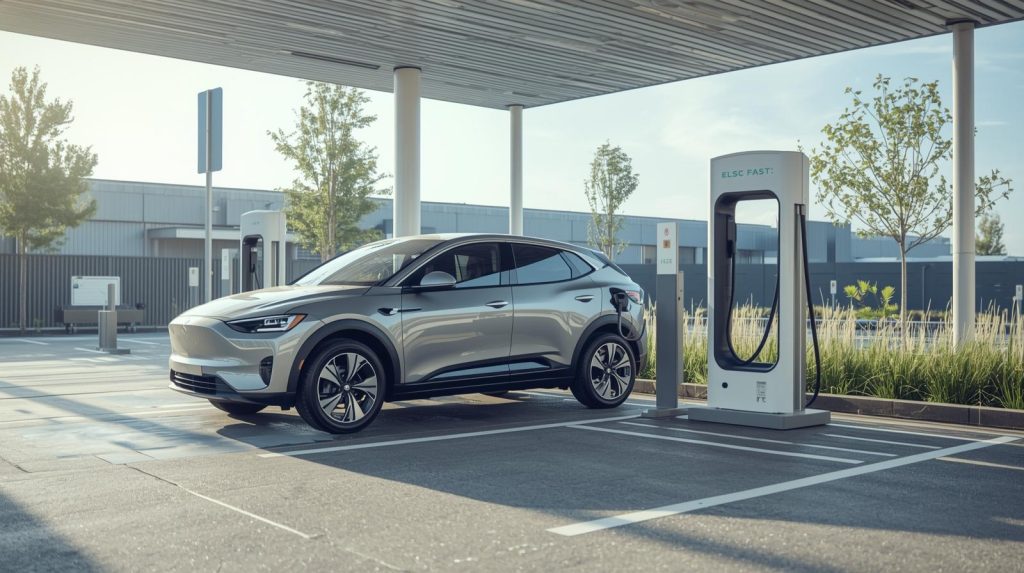
Charging speed is one of the most important factors influencing EV ownership satisfaction. While home charging is convenient, it is DC fast charging that enables EVs to compete with gasoline vehicles for long-distance travel.
The charging speeds of DC EV chargers determine:
- How quickly drivers can get back on the road
- How efficient public charging stations are
- How profitable charging networks can be
- How practical EVs are for commercial fleets
Understanding how DC charging speeds work helps EV owners make better decisions and use charging infrastructure more effectively.
What Are DC EV Chargers?
A DC EV charger delivers direct current (DC) electricity directly to an EV’s battery. Unlike AC chargers, which rely on the car’s onboard charger to convert AC to DC, DC chargers perform this conversion inside the charging station itself.
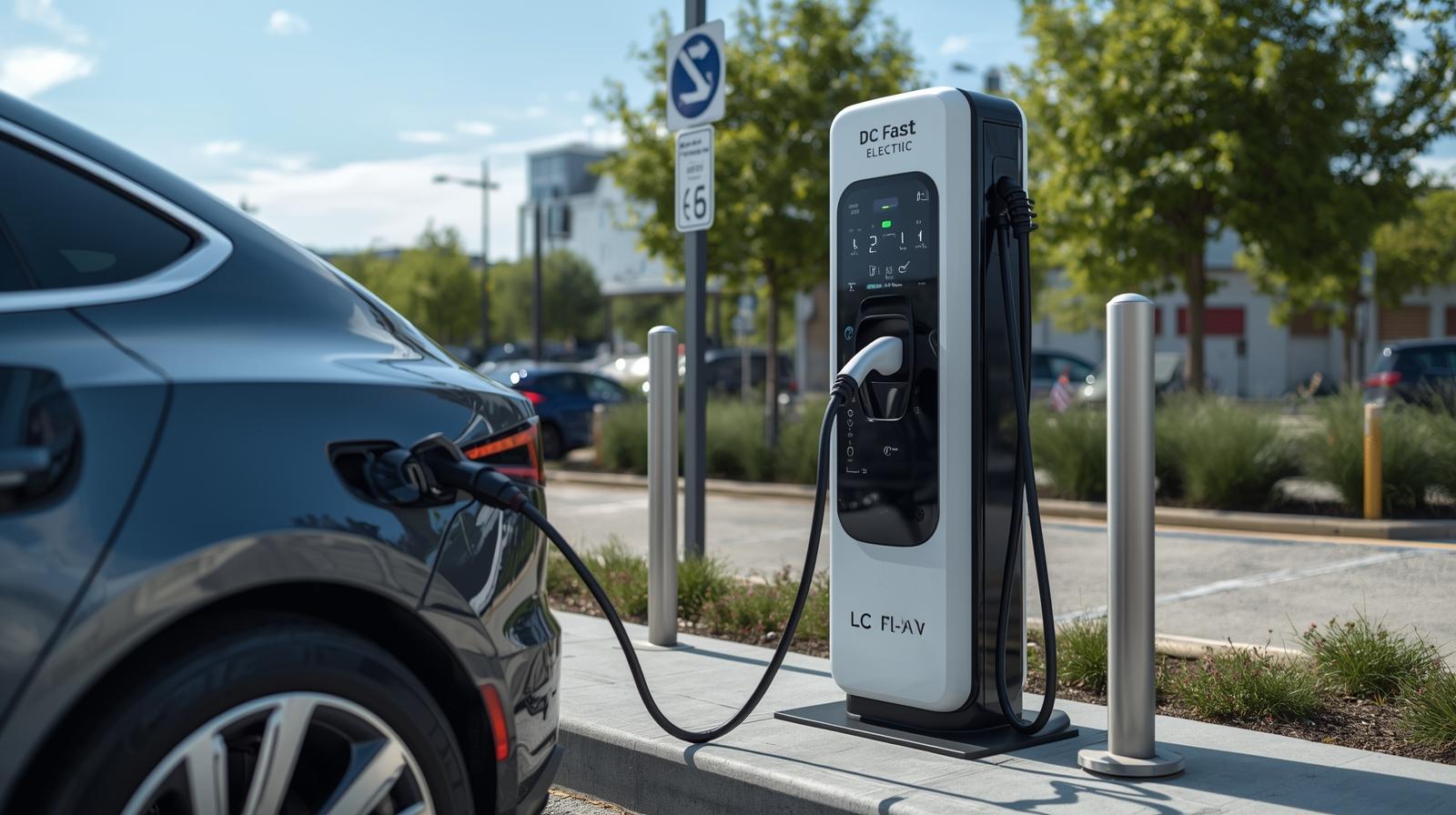
Key characteristics include:
- High voltage (400V–1000V)
- High power output (25 kW to 350+ kW)
- Rapid charging capability
- Commercial-grade electrical infrastructure
Because of these features, DC EV chargers achieve much higher charging speeds than home chargers.
Why Charging Speed Matters for EV Adoption
The faster an EV can charge, the more convenient it becomes. The charging speeds of DC EV chargers directly impact:
- Long-distance travel feasibility
- Ride-sharing and delivery efficiency
- Fleet vehicle uptime
- Consumer confidence in EV technology
Fast charging doesn’t just save time—it accelerates the global transition to electric mobility.
Understanding Charging Speed Terminology
Before diving deeper into charging speeds, it’s important to understand key terms:
- kW (kilowatt): Rate of power delivery
- kWh (kilowatt-hour): Amount of energy stored
- State of Charge (SoC): Battery percentage
- Charging Curve: How speed changes over time
Charging speed refers to how fast energy flows into the battery, not how much energy the battery holds.
Charging Speeds of DC EV Chargers Explained
So, what exactly are the charging speeds of DC EV chargers?
Charging speed is primarily measured in kilowatts (kW). A higher kW rating means faster energy delivery—but only if the vehicle can accept that power.
For example:
- A 50 kW charger can deliver up to 50 kWh in one hour
- A 150 kW charger can theoretically deliver three times more
However, real-world charging is rarely linear, which is why understanding power levels is crucial.
DC EV Charger Power Levels and Speeds
DC EV chargers are available in multiple power classes:
| Charger Power | Typical Charging Speed |
|---|---|
| 25–50 kW | 80% in ~60 minutes |
| 60–100 kW | 80% in ~45 minutes |
| 150 kW | 80% in ~30 minutes |
| 250–350 kW | 80% in 15–20 minutes |
These values vary based on vehicle capability and conditions.
Low-Power DC EV Chargers (25–50 kW)
Charging Speed Overview
Low-power DC chargers provide a moderate speed boost compared to Level 2 charging.
Typical Performance
- Adds 100–150 miles in about an hour
- Suitable for short stops
Best Use Cases
- Urban areas
- Retail parking
- Workplace charging
They represent the slowest category within the charging speeds of DC EV chargers, but remain useful where grid capacity is limited.
Medium-Power DC EV Chargers (60–150 kW)
Charging Speed Overview
This is the most common category in public networks.
Typical Performance
- 80% charge in 30–45 minutes
- Balanced speed and cost
Why They’re Popular
Most EVs on the road today are optimized for this charging range, making it a sweet spot for infrastructure providers.
High-Power DC EV Chargers (150–350 kW)
Charging Speed Overview
High-power chargers deliver the fastest charging speeds currently available for passenger EVs.
Typical Performance
- 200–300 miles of range in 15–20 minutes
- Best with 800V battery systems
Limitations
Not all EVs can accept this level of power, so actual charging speeds may be lower.
Ultra-Fast and Megawatt Charging Speeds
Overview
Megawatt charging systems exceed 500 kW and are primarily designed for:
- Electric trucks
- Buses
- Heavy-duty commercial vehicles
Charging Speed Potential
- Full charge in under 30 minutes for large batteries
These systems represent the future extreme end of the charging speeds of DC EV chargers.
Real-World vs Theoretical Charging Speeds
While chargers advertise maximum power, real-world speeds depend on:
- Vehicle limits
- Battery temperature
- State of charge
- Charger sharing
As a result, drivers often experience lower average speeds than the charger’s rated output.
The EV Charging Curve Explained
EVs do not charge at maximum speed continuously. Instead, charging follows a curve:
- Fast ramp-up (low SoC)
- Peak charging speed (typically 10–50%)
- Gradual slowdown (above 50–60%)
- Sharp tapering (above 80%)
This behavior protects battery health and safety.
How Battery Size Affects Charging Speed
Larger batteries can absorb more power, especially at lower states of charge. However:
- Larger batteries take longer to fill completely
- Smaller batteries may charge faster to 80%
Battery size influences how the charging speeds of DC EV chargers are experienced in practice.
Battery Voltage Architecture (400V vs 800V)
400V Systems
- Most older and mid-range EVs
- Limited peak charging speed
800V Systems
- Newer high-performance EVs
- Support ultra-fast charging
- Better efficiency
800V architectures unlock the full potential of high-power DC chargers.
Role of Battery Temperature in Charging Speed
Battery temperature is critical:
- Cold batteries charge slower
- Hot batteries trigger speed reduction
Advanced thermal management systems help maintain optimal charging speeds.
State of Charge (SoC) and Its Impact
DC charging is fastest when the battery is low. Charging from:
- 10% to 50% is very fast
- 50% to 80% is moderate
- 80% to 100% is slow
This is why DC charging sessions often end around 80%.
Vehicle Onboard Systems and Charging Limits
Even though DC charging bypasses onboard chargers, the vehicle still controls:
- Maximum current
- Voltage acceptance
- Thermal limits
These systems determine the actual charging speeds of DC EV chargers.
Connector Types and Charging Speed Compatibility
Different connectors support different speeds:
- CCS: Up to 350 kW
- CHAdeMO: Typically up to 100 kW
- Tesla Supercharger: Up to 250 kW
- GB/T: High-power support in China
Connector choice affects maximum achievable speed.
Grid and Infrastructure Limitations
Charging speed can be limited by:
- Grid capacity
- Shared power between stalls
- Utility demand charges
Many stations dynamically adjust power to avoid overloads.
Charging Speeds of DC EV Chargers in Public Networks
Public networks manage speed through:
- Load balancing
- Pricing incentives
- Time-based limits
This ensures fair access and grid stability.
DC Charging Speeds for Passenger EVs
Most passenger EVs achieve:
- 100–200 miles in 20–30 minutes
- Optimal charging between 10%–80%
This makes DC charging ideal for road trips.
DC Charging Speeds for Commercial Fleets
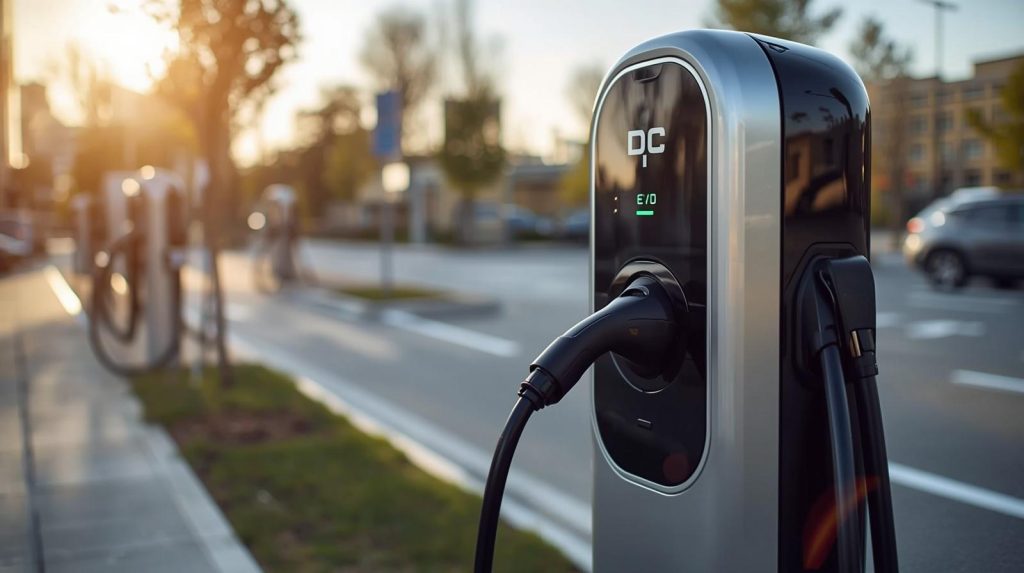
Fleet vehicles prioritize:
- Predictable charging times
- Fast turnaround
- Battery longevity
Medium-power DC chargers are often preferred.
Impact of Fast Charging on Battery Health
Frequent fast charging can:
- Increase heat stress
- Accelerate degradation
Manufacturers recommend balancing DC charging with Level 2 charging.
How Automakers Optimize DC Charging Speeds
Automakers use:
- Advanced battery chemistry
- Smart charging algorithms
- Improved cooling systems
These innovations continue to improve the charging speeds of DC EV chargers safely.
Future Trends in DC EV Charging Speeds
Future developments include:
- Megawatt charging standards
- Battery-buffered chargers
- AI-optimized charging curves
- Solid-state batteries
These advancements will push charging speeds even further.
Conclusion
The charging speeds of DC EV chargers define the future of electric mobility. From 50 kW urban chargers to ultra-fast 350 kW highway stations and megawatt systems for trucks, DC charging enables EVs to rival—and in some cases surpass—the convenience of traditional fueling.
While real-world speeds depend on many factors, understanding how DC charging works empowers drivers to charge smarter, protect battery health, and make the most of modern charging infrastructure.
As technology evolves, DC EV charging speeds will continue to improve—bringing us closer to a fully electrified transportation system.
FAQs: Charging Speeds of DC EV Chargers
1. What are the charging speeds of DC EV chargers?
The charging speeds of DC EV chargers typically range from 25 kW to over 350 kW, depending on the charger type, vehicle capability, and battery conditions. Higher power levels result in faster charging.
2. How fast can a DC EV charger charge an electric vehicle?
A DC EV charger can charge most EVs to 80% in 15–45 minutes, depending on the charger’s power rating, the EV’s battery size, and its maximum charging capability.
3. Why do DC EV charging speeds slow down after 80%?
Charging speeds slow after 80% to protect the battery from overheating and long-term degradation. This charging curve helps extend battery life and ensures safe operation.
4. Do all EVs charge at the same DC fast charging speed?
No. Charging speeds vary based on the EV’s battery size, voltage architecture (400V vs 800V), thermal management system, and manufacturer-imposed limits.
5. What is the difference between 400V and 800V EV charging systems?
EVs with 800V architectures can accept higher power from DC EV chargers, resulting in faster and more efficient charging compared to traditional 400V systems.
6. How does battery temperature affect DC charging speeds?
Cold or overheated batteries charge more slowly. EVs use thermal management systems to maintain optimal battery temperature and achieve maximum DC charging speeds.
7. Are ultra-fast DC EV chargers better for daily charging?
Ultra-fast DC EV chargers are best for road trips or quick top-ups. For daily use, Level 2 chargers are recommended to reduce battery wear and lower charging costs.
8. Can grid limitations affect DC EV charging speeds?
Yes. Grid capacity, shared power between charging stalls, and utility demand management can limit actual charging speeds at public DC charging stations.