

Electric vehicles (EVs) are rapidly transforming the automotive landscape, offering an environmentally friendly alternative to internal combustion engine vehicles. With the rise of EV adoption, questions about battery longevity and charging methods have become common. One question that often comes up is: “Is DC charging bad for EV?”
DC fast charging, also known as Level 3 charging, provides a rapid solution for recharging EV batteries, but some EV owners worry about its long-term impact on battery health. This article delves deep into the science behind DC charging, how it affects EV batteries, comparisons with AC charging, best practices, and recommendations from EV manufacturers.
Introduction: Understanding DC Charging Concerns
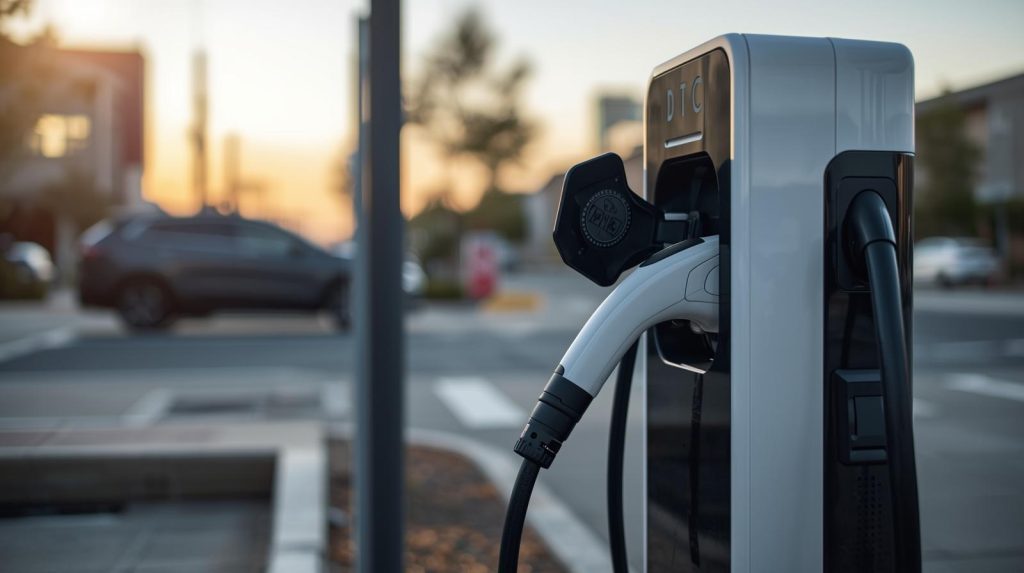
DC fast chargers provide direct current directly to the battery, bypassing the vehicle’s onboard AC-to-DC converter. This allows for rapid charging, sometimes replenishing 80% of battery capacity in 15–45 minutes.
However, many EV owners worry that frequent use of DC chargers may harm battery health. The question “Is DC charging bad for EV?” stems from concerns about heat generation, high voltage, and battery chemistry stress.
What is DC Charging?
DC (Direct Current) fast charging, also called Level 3 charging, delivers electricity directly to the battery. Characteristics include:
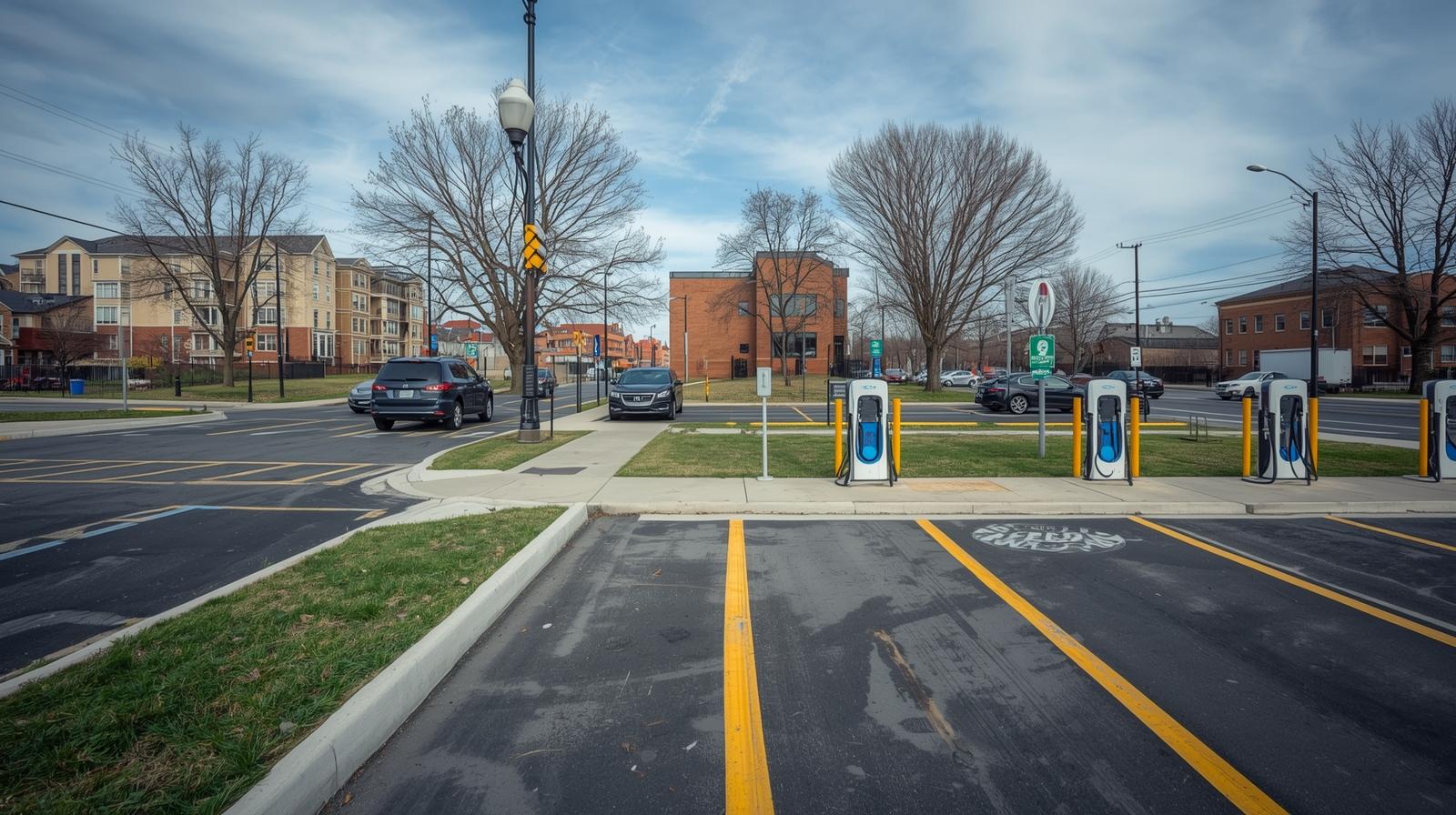
- Power output: 50–350 kW
- Rapid charging: 0–80% charge in 15–45 minutes
- Used in highways, urban fast-charging hubs, and commercial fleets
DC chargers bypass the onboard charger, allowing high current and voltage to be delivered safely to the battery with the help of the vehicle’s Battery Management System (BMS).
What is AC Charging?
AC (Alternating Current) charging uses the onboard charger to convert AC to DC for battery storage. AC chargers are categorized as:
- Level 1: Standard household outlet, slow charging
- Level 2: 240V supply, moderate charging speed
AC chargers are gentler on the battery and are ideal for home or workplace charging, where fast turnaround is not critical.
Key Differences Between AC and DC Charging
| Feature | AC Charger | DC Charger |
|---|---|---|
| Current Type | Alternating Current (AC) | Direct Current (DC) |
| Conversion | Onboard charger converts AC to DC | Bypasses onboard charger |
| Charging Speed | Slow to moderate | Ultra-fast |
| Typical Use | Homes, workplaces, public Level 2 stations | Highways, fleet depots, urban fast-charging hubs |
| Battery Stress | Minimal | Slightly higher if overused |
| Cost | Low to moderate | High |
How EV Batteries Work
Most EVs use lithium-ion batteries, composed of:
- Cathode: Positive electrode
- Anode: Negative electrode
- Electrolyte: Facilitates ion movement
- Separator: Prevents short circuits
During charging, lithium ions move from the cathode to the anode, storing energy. Discharging reverses the process.
Lithium-ion Battery Chemistry and Degradation
Battery degradation occurs naturally over time and is influenced by:
- Capacity fade: Reduced ability to hold charge
- Power fade: Reduced ability to deliver high currents
- Internal resistance increase: Generates heat and reduces efficiency
High current DC charging may accelerate these processes if used frequently.
How DC Charging Works
DC fast chargers deliver direct current at high voltage directly to the battery. The BMS monitors voltage, current, and temperature to ensure safe charging. Key steps:
- Charger communicates with BMS
- Voltage ramps to battery limits
- Current flows at high power
- Charging slows as battery approaches full capacity
Voltage, Current, and Power in DC Charging
- DC fast chargers: 400–1000V, 50–350 kW
- AC chargers: 120–240V, 3–22 kW
Higher voltage and current allow more energy per unit time, which is why DC charging is faster but also generates more heat.
Battery Management Systems (BMS) and Protection
Modern EVs are equipped with BMS to:
- Monitor each cell’s voltage and temperature
- Adjust charging rate dynamically
- Protect against overcurrent, overvoltage, and overheating
BMS ensures DC charging is safe and prevents damage from rapid charging.
Thermal Management During DC Charging
Heat is the main concern for battery degradation. Thermal management systems:
- Cool battery cells using liquid or air
- Maintain optimal operating temperature
- Allow high-speed charging while protecting battery health
Common Concerns About DC Charging
- Accelerated battery degradation
- Heat generation and potential damage
- Increased internal resistance
- Frequent high-power use may reduce battery lifespan
Is DC Charging Bad for EV Batteries?
The short answer: No, if used responsibly.
- Occasional DC charging is safe and convenient.
- Frequent daily DC charging may slightly accelerate capacity fade.
- Advanced BMS and thermal management minimize negative effects.
Short-Term vs Long-Term Effects of DC Charging
- Short-term: No noticeable impact on battery performance
- Long-term: Minor increase in degradation rate if used daily for years
Frequency of DC Charging and Battery Health
- Occasional trips: Safe
- Daily long-distance travel: Slightly higher stress
- Daily commuting: Prefer AC charging to minimize wear
DC Charging vs AC Charging: Impact on Battery Life
| Charger Type | Effect on Battery Life | Recommended Use |
|---|---|---|
| AC Charger | Minimal degradation | Daily home/work charging |
| DC Charger | Slight acceleration of capacity fade if overused | Long trips, urgent charging |
Manufacturer Recommendations for DC Charging
- Avoid daily DC charging for routine use
- Charge between 20–80% SOC for longevity
- Follow BMS guidelines for temperature and current
- Use AC charging for overnight and daily top-ups
Real-World Studies and Research Findings
- Occasional DC charging: <2% capacity loss over several years
- Frequent daily DC charging: Slightly higher degradation, usually within warranty limits
- Proper thermal management reduces risks significantly
Factors That Influence DC Charging Impact
- Battery chemistry (LFP vs NCM)
- Frequency of fast charging
- Ambient temperature
- State of charge (SOC) when charging
- BMS and thermal system efficiency
Charging Habits to Minimize Battery Degradation
- Prefer AC charging for daily needs
- Use DC fast chargers for long trips or emergencies
- Avoid charging to 100% frequently with DC
- Precondition battery temperature before DC charging
Fleet and Commercial EV Considerations
- Fleet vehicles may use DC chargers daily
- Thermal management and charger scheduling mitigate battery wear
- BMS ensures reliability for high-utilization vehicles
Misconceptions About DC Charging
- Myth: DC charging always damages batteries → False
- Myth: AC charging is too slow for modern EVs → False for daily use
- Myth: DC chargers are only for highways → Used in urban hubs and fleets too
Advantages of DC Fast Charging
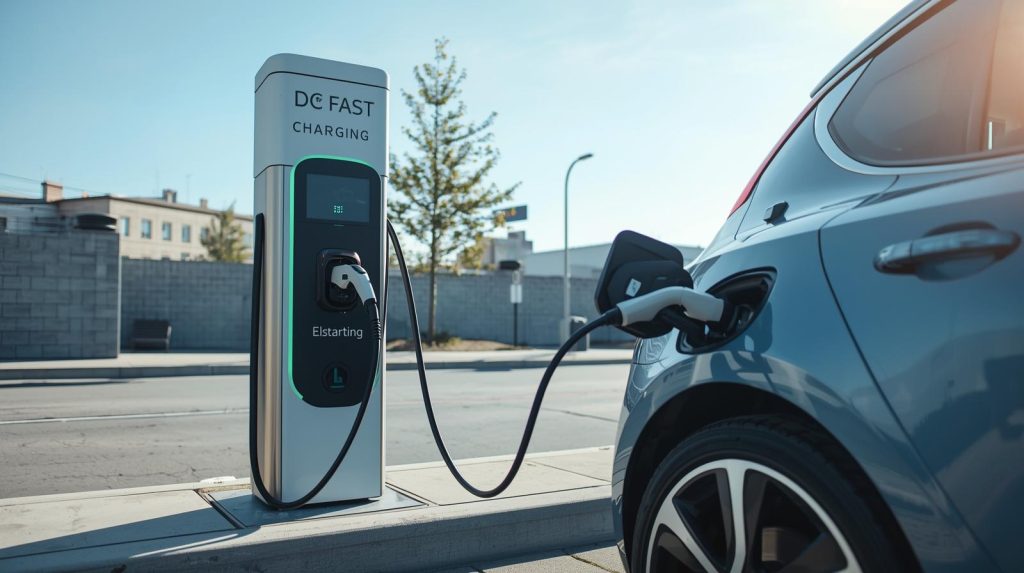
- Rapid charging for long trips
- Reduces downtime for fleets
- Increases convenience for EV owners
- Essential for high-traffic public charging infrastructure
Best Practices for Using DC Chargers Safely
- Charge up to 80% for faster, safer charging
- Avoid frequent daily DC fast charging if possible
- Precondition battery temperature
- Monitor battery health and follow manufacturer guidelines
Future Technologies Reducing DC Charging Impact
- 800V battery architectures
- Advanced thermal management
- Solid-state batteries with higher tolerance
- AI-powered charging optimization
These advancements make DC charging even safer for EV batteries.
Summary of Safety and Battery Health Considerations
- DC charging is not inherently bad for EVs
- Proper use, BMS protection, and thermal management minimize impact
- AC charging remains the preferred method for daily charging
- Occasional DC charging balances speed and convenience
Conclusion
So, is DC charging bad for EV?
No, it is not bad if used responsibly. Modern EVs are designed to handle high-power DC charging safely, with robust BMS and thermal management. Occasional fast charging provides convenience and efficiency without significantly affecting battery health.
For optimal battery longevity:
- Use AC chargers for daily home and workplace charging
- Reserve DC fast charging for long trips or urgent top-ups
- Monitor battery temperature and state of charge
By following these practices, EV owners can enjoy fast charging convenience while maintaining long-term battery health and performance.
FAQs: Is DC Charging Bad for EV?
1. Is DC charging bad for EV batteries?
No, DC charging is not inherently bad. Occasional DC fast charging is safe, and modern EVs have Battery Management Systems (BMS) to protect battery health.
2. How does DC charging affect battery life?
Frequent daily DC charging may slightly accelerate battery degradation, but occasional use has minimal impact on long-term battery performance.
3. Can I use DC fast chargers at home?
Typically no. DC chargers require high-voltage, three-phase infrastructure, making them suitable mainly for public stations, highways, and fleet depots.
4. How often should I use DC fast chargers?
Use DC fast chargers primarily for long trips or urgent charging. For daily home or workplace charging, AC Level 2 chargers are recommended.
5. Is AC charging better for battery health?
Yes. AC charging is gentler on the battery and ideal for daily charging, helping to maintain long-term battery capacity and efficiency.
6. What role does the Battery Management System (BMS) play?
The BMS monitors voltage, current, and temperature during DC charging, adjusting power delivery to protect battery health and prevent damage.
7. Does DC charging generate more heat than AC charging?
Yes. Higher current and voltage during DC fast charging generate more heat, but modern thermal management systems help mitigate this.
8. Can DC fast charging cause permanent damage to EV batteries?
No, when used according to manufacturer guidelines. Proper thermal management and controlled charging prevent permanent battery damage.