
Electric vehicles are transforming the automotive industry, and with their growth comes the increasing need for reliable, fast, and efficient charging options. While Level 1 and Level 2 chargers are popular for home use, they cannot compete with the speed and power of DC fast chargers (also called DCFC or Level 3 chargers). These ultra-fast chargers can replenish an EV battery in minutes rather than hours, making them essential for public charging stations, businesses, commercial fleets, and high-traffic locations.
If you’re planning to install a DC fast charger, you need a clear understanding of the process, requirements, costs, safety steps, and infrastructure standards. This guide will walk you step-by-step through How to Install DC EV Chargers?, covering everything you need to know before, during, and after installation.
What Are DC EV Chargers?
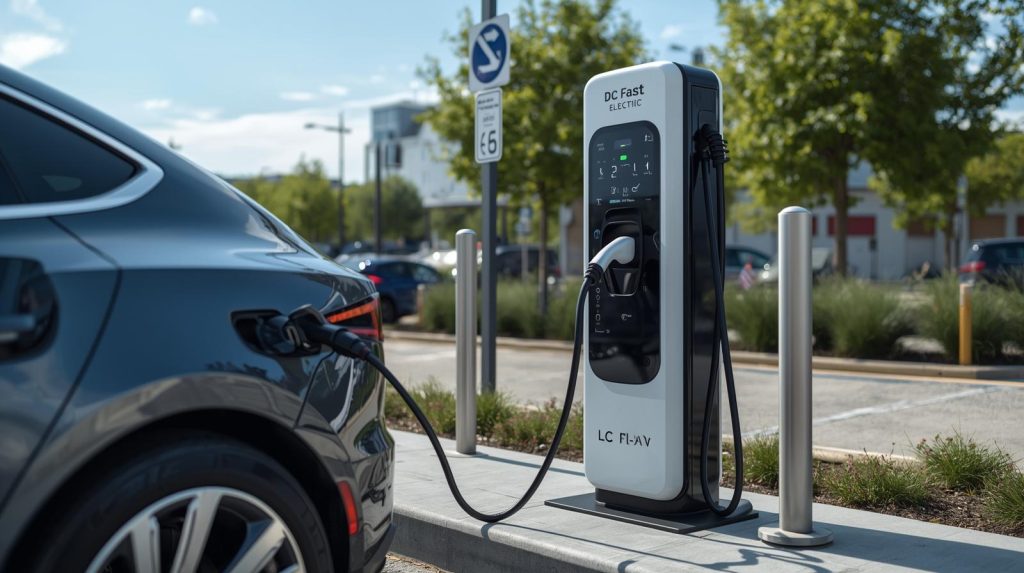
Before learning how to install DC EV chargers, it’s important to understand what they are and how they work.
DC fast chargers (DCFC) supply direct current (DC) directly to an EV battery. Unlike AC chargers (Level 1 and Level 2), DC chargers bypass the onboard AC-to-DC converter inside the vehicle. This is why they deliver extremely fast charging speeds—up to 350 kW or even more.
Common DC Charger Power Levels
- DC 50 kW
- DC 150 kW
- DC 350 kW (Ultra-Fast Charging)
- Megawatt Charging (for heavy-duty trucks)
Charging Connector Types
Depending on your region and EV model, DC chargers use different connectors:
- CCS (Combined Charging System) – Most common in North America & Europe
- CHAdeMO – Used by older Nissan and Mitsubishi EVs
- NACS (Tesla Standard) – Becoming universal in the U.S. from 2025 onward
Understanding these basics will help you make informed decisions during installation.
Why Install DC EV Chargers?
Before diving into how to install DC EV chargers, it’s essential to know why they are beneficial.
Ultra-Fast Charging
DC chargers can charge an EV from 10% to 80% in 20–40 minutes, depending on power output and vehicle compatibility.
Ideal for Commercial Use
DC chargers attract EV drivers to:
- Shopping malls
- Restaurants
- Gas stations
- Hotels
- Fleets
- Workplace parking
Increase Revenue
Businesses can offer paid charging services, generating income.
Support High-Traffic Areas
Fast chargers keep traffic flowing by minimizing charging time.
Increase Property Value
Installing commercial-level EV infrastructure boosts property appeal.
Essential for Fleets
Logistics companies, ride-hailing services, and delivery vehicles rely on fast charging to keep vehicles moving.
Now, let’s move into the installation process.
How to Install DC EV Chargers? – Complete Step-by-Step Guide
Installing a DC fast charger is more complex than installing Level 1 or Level 2 chargers. It requires significant electrical infrastructure, permits, safety guidelines, and professional expertise.
Below is the complete guide on How to Install DC EV Chargers?
Step 1: Conduct a Site Assessment
A proper site assessment is the foundation of installing DC fast chargers.
Key Points to Evaluate:
Site Location
Choose a location that is:
- Easily accessible
- Near traffic routes
- Safe and visible
- Close to parking spaces
Parking Layout
The parking area must support:
- Sufficient space for EVs
- Room for cables and charger equipment
- ADA-compliant accessibility
- Multiple chargers in the future
Electrical Infrastructure
DC chargers require a high-capacity power supply.
Evaluate:
- Distance from the nearest utility transformer
- Existing electrical system capacity
- Need for new transformers or switchgear
Connectivity
DC chargers often require:
- WiFi
- Ethernet
- 4G/5G connectivity
This enables remote monitoring, payment processing, and smart charging.
Step 2: Determine Power Requirements
DC chargers have high power demands, so calculating accurate power requirements is crucial.
Common Power Requirements
- 50 kW chargers: ~400A service
- 150 kW chargers: ~1000A service
- 350 kW chargers: ~1600A+ service
Transformer and Utility Needs
In many cases, installing a DC fast charger requires:
- A new utility transformer
- Upgraded switchgear
- Dedicated service lines
This is why working closely with the utility company is essential.
Step 3: Work With the Local Utility Company
One major step in how to install DC EV chargers is planning with the local utility provider.
Why Utility Involvement Is Necessary?
- They supply the electrical load
- They determine grid capacity
- They approve transformer upgrades
- They manage demand response
What You Should Discuss:
- Load capacity
- Grid upgrades
- Peak demand charges
- Easements for underground cabling
- Transformer installation timelines
Utility coordination may take 3–12 months, depending on the region.
Step 4: Choose the Right DC Charger Equipment
Selecting the right equipment ensures long-term reliability and compatibility.
Factors to Consider
- Power Output
Choose between 50 kW, 150 kW, or 350 kW based on:
- Expected traffic
- Vehicle types
- Business needs
- Connector Types
Most businesses choose chargers with multiple ports. - Smart Features
Look for:
- OCPP compatibility
- Remote monitoring
- Payment integration
- Load balancing
- Software updates
- Durability and Weather Resistance
IP ratings and outdoor-ready housings are essential. - Brand Reputation and Warranty
Choose brands that offer:
- Long warranties
- 24/7 support
- Spare parts availability
Step 5: Obtain Permits and Approvals
One of the more complex parts of how to install DC EV chargers is the permitting process.
Types of Permits You May Need
- Electrical permit
- Construction permit
- Environmental permit
- Zoning approval
- Utility approval
- ADA compliance clearance
- Fire safety permit
Different regions have different rules, but permitting ensures safety and code compliance.
Step 6: Prepare the Site for Installation
Site preparation includes:
- Trenching
- Running conduit
- Paving or repaving
- Building concrete pads for equipment
- Installing bollards for safety
- Adding lighting and signage
Civil Work Tasks
- Digging and laying conduit
- Installing foundations
- Cable routing
- Final surface finishing
This phase may take several weeks depending on weather and site conditions.
Step 7: Install Electrical Infrastructure
This is one of the most critical steps in how to install DC EV chargers.
Electrical Components Needed:
- Switchgear
- Transformer
- Distribution panel
- Circuit breakers
- Heavy-gauge wiring
- Surge protection
- Safety disconnects
Only a licensed commercial electrician should perform this work.
Why Electrical Installation Is Complex
- High voltage
- Intense load demand
- Grid stability issues
- Safety hazards
Due to these factors, DC charger installation must follow strict national and local codes.
Step 8: Install the DC Fast Charger Hardware
Once the electrical infrastructure is in place, technicians install the charger hardware.
Installation Steps Include:
- Mounting the charger
- Connecting power cables
- Installing cooling systems (for high-power chargers)
- Connecting communication lines
- Testing grounding
High-power DC chargers often require liquid cooling to manage heat.
Step 9: Perform System Integration and Software Setup
DC chargers are smart devices that require proper software configuration.
Software Setup Includes:
- Connecting to backend systems
- Setting up payment gateways
- Configuring charging rates
- Ensuring OCPP compatibility
- Connecting to cloud platforms
- Setting load balancing
- Enabling real-time monitoring
Why Software Matters?
A DC charger is only fully functional when the software is configured correctly.
Step 10: Testing and Commissioning
After installation, commissioning ensures the charger is safe and operational.
Commissioning Includes:
- Electrical testing
- Load testing
- Grounding tests
- Communication verification
- Software performance
- Charging session simulations
Once all tests pass, the charger is ready for public use.
Step 11: Add Signage, Markings, and Safety Features
Clear signage helps EV drivers use the station easily.
You Should Add:
- Directional signs
- Parking bay markings
- Safety warnings
- Instruction boards
- Queue management signs
Safety features include:
- Bollards
- Fire extinguishers
- Adequate lighting
Step 12: Launch and Promote Your Charging Station
Once installed, promote your DC fast charging station.
Ways to Promote:
- Add your station to EV charging apps
- Offer promotional rates
- Market through social media
- Create partnerships with businesses
- Use location-based advertising
Visibility increases traffic, which increases revenue.
Costs of Installing DC EV Chargers
Understanding costs is important when learning how to install DC EV chargers.
Typical Cost Breakdown:
| Component | Cost Range |
|---|---|
| DC Charger Unit | $20,000–$150,000+ |
| Electrical Upgrades | $15,000–$100,000 |
| Permits and Engineering | $5,000–$20,000 |
| Installation Labor | $10,000–$50,000 |
| Site Preparation | $5,000–$30,000 |
| Transformer (if needed) | $20,000–$80,000 |
Total Estimated Cost:
$60,000 to $300,000+ per charger
Government incentives and grants can help offset costs.
Maintenance After Installation
DC chargers require routine maintenance:
Maintenance Tasks:
- Regular cleaning
- Software updates
- Load checks
- Cooling system inspections
- Cable diagnostics
- Connector replacements
Maintenance ensures safety, reliability, and long equipment lifespan.
Safety Considerations for Installing DC EV Chargers
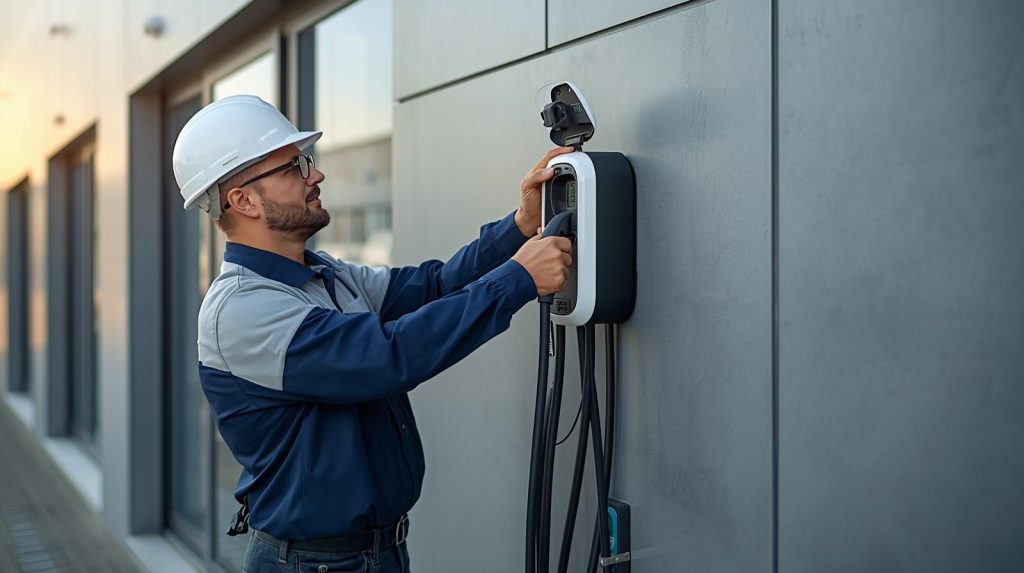
DC fast chargers deal with high-voltage electricity, so safety is paramount.
Safety Guidelines:
- Install by licensed professionals
- Use UL-certified equipment
- Maintain proper grounding
- Follow national electrical codes
- Install surge protection
- Conduct regular safety inspections
Never attempt DIY installation—DC chargers require professional expertise.
Conclusion
Understanding How to Install DC EV Chargers? is crucial for businesses, fleet operators, and property developers looking to support high-speed EV charging. The installation process involves careful site assessment, significant electrical planning, compliance with regulations, selection of the right equipment, and professional installation. While the process can be complex, the long-term benefits—faster charging, increased revenue, customer satisfaction, and future-proof infrastructure—make it a valuable investment.
As electric vehicle adoption accelerates globally, installing DC fast chargers is becoming essential for commercial spaces and transportation networks. By following this step-by-step guide, you can ensure your installation is safe, efficient, and ready for the future of e-mobility.
FAQs for “How to Install DC EV Chargers?”
1. What are DC EV chargers?
DC EV chargers, also known as DC fast chargers, deliver direct current directly to an EV battery, enabling ultra-fast charging compared to Level 1 and Level 2 chargers.
2. Can I install a DC fast charger at home?
Usually no. DC chargers require extremely high power, commercial-grade wiring, and special permitting. They are typically installed at public or commercial locations.
3. How much power is needed to install a DC EV charger?
Depending on charger output, you may need 400–1600 amps or more, along with a dedicated transformer and upgraded electrical infrastructure.
4. How long does it take to install a DC fast charger?
The full process—including utility coordination, permitting, civil work, and commissioning—can take 3 to 12 months depending on site complexity.
5. What permits are required for DC EV charger installation?
You may need electrical permits, construction permits, zoning approval, environmental permits, utility permission, and ADA compliance certification.
6. How much does it cost to install a DC EV charger?
Installation typically ranges from $60,000 to $300,000+ per charger depending on power output, utility upgrades, charger brand, and site conditions.
7. Do DC fast chargers work with all EVs?
Most modern EVs support DC fast charging through CCS, NACS, or CHAdeMO connectors. Compatibility depends on the vehicle model and charging standard.
8. Who should install DC EV chargers?
Only licensed commercial electricians and certified EV charger installers should handle the installation due to the high voltage and complex infrastructure involved.