
If you’re learning about electric vehicles (EVs), you’ve probably seen the term BMS and wondered:
What is BMS in an electric vehicle?
It might sound technical, but don’t worry—the concept is simple and extremely important.
The BMS (Battery Management System) is the brain of an electric vehicle’s battery.
Without it, your EV would not be safe, efficient, or reliable.
In this complete guide, you’ll learn everything about BMS in simple language, including how it works, why it matters, and how it protects your EV battery for years to come.
What is BMS in an electric vehicle?
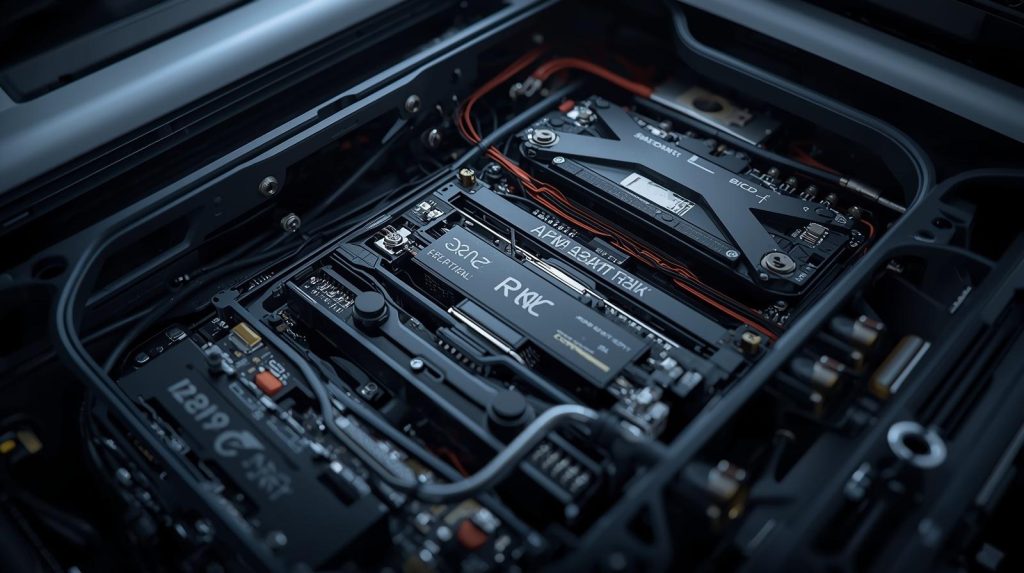
BMS stands for Battery Management System.
Simple Explanation:
- It monitors the battery
- It controls charging and discharging
- It protects the battery from damage
Think of it like a smart controller that keeps your EV battery healthy and safe.
Why Is BMS Important in an Electric Vehicle?
Electric vehicle batteries are powerful but sensitive.
Without a BMS:
- The battery could overheat
- Cells could become unbalanced
- Charging could become unsafe
- Battery life would shorten
With a BMS:
- Safe operation
- Longer battery life
- Better performance
- Efficient energy use
That’s why every EV uses a BMS—it’s not optional.
How Does a BMS Work in an Electric Vehicle?
The BMS works continuously while your car is running or charging.
Step-by-Step:
- Monitors each battery cell
- Checks voltage, current, and temperature
- Balances energy across cells
- Controls charging speed
- Prevents unsafe conditions
It operates automatically in the background.
Key Functions of BMS in Electric Vehicles
Let’s break down the main functions in detail.
1. Battery Monitoring
The BMS constantly tracks:
- Voltage levels
- Current flow
- Temperature
Why It Matters:
If any value goes out of range, the system reacts immediately.
This prevents damage and improves safety.
2. Temperature Management
EV batteries work best within a specific temperature range.
What the BMS Does:
- Activates cooling systems in hot weather
- Manages heating in cold conditions
This keeps the battery efficient and safe.
3. Cell Balancing
An EV battery has hundreds or thousands of small cells.
Problem:
- Some cells charge faster than others
Solution:
- The BMS balances all cells evenly
This improves performance and extends battery life.
4. Charging Control
Charging is one of the most sensitive processes.
The BMS Ensures:
- No overcharging
- Safe voltage levels
- Controlled charging speed
This protects the battery during every charge.
5. State of Charge (SOC)
The BMS calculates how much charge is left.
What You See:
- Battery percentage on your dashboard
That number comes from the BMS.
6. State of Health (SOH)
The BMS tracks battery aging over time.
It Monitors:
- Capacity loss
- Efficiency changes
This helps detect problems early.
What Happens If BMS Fails?
A BMS failure is rare but serious.
Possible Effects:
- Incorrect battery readings
- Charging issues
- Reduced performance
- Safety risks
Most EVs will alert you if something is wrong.
Can a BMS Be Repaired?
Yes, depending on the issue.
Possible Solutions:
- Software updates
- Repairing sensors or wiring
- Replacing the BMS unit
Always use a certified technician for repairs.
Types of BMS in Electric Vehicles
There are different types of BMS systems.
1. Centralized BMS
- One main controller
- Simple design
2. Distributed BMS
- Multiple smaller controllers
- Better accuracy
3. Modular BMS
- A combination of both
- Used in advanced EVs
Modern EVs often use modular systems.
How BMS Improves Battery Lifespan
The BMS plays a huge role in battery longevity.
Benefits:
- Prevents overcharging
- Reduces heat damage
- Balances cells
- Controls charging cycles
This helps batteries last 8–15 years or more.
BMS in EV vs Hybrid vs PHEV
Electric Vehicle (EV):
- Advanced BMS
- Large battery system
Hybrid (HEV):
- Basic BMS
- Smaller battery
Plug-In Hybrid (PHEV):
- Moderate BMS
- Balanced system
All electrified vehicles use a BMS, but complexity varies.
Why BMS Matters for U.S. Drivers
Driving conditions in the U.S. can vary a lot:
- Hot summers (Arizona, Texas)
- Cold winters (New York, Minnesota)
- Long highway drives
BMS Helps By:
- Managing temperature changes
- Optimizing performance
- Protecting battery health
It ensures your EV performs well in all conditions.
Tips to Keep Your EV Battery Healthy (With BMS)
Even with a BMS, your habits matter.
1. Keep Charge Between 20%–80%
Avoid extreme levels.
2. Use Smart Charging
Avoid unnecessary fast charging.
3. Protect from Extreme Temperatures
Park in safe environments.
4. Drive Smoothly
Reduce stress on the battery.
5. Use Eco Mode
Improve efficiency.
6. Follow Manufacturer Guidelines
Each EV is unique.
7. Monitor Battery Status
Watch dashboard alerts.
8. Maintain Your Vehicle
Efficiency helps battery life.
9. Plan Trips Efficiently
Reduce unnecessary energy use.
10. Keep Software Updated
BMS improves with updates.
Common Myths About BMS
Myth: BMS is not important
Fact: It is essential for EV safety
Myth: BMS prevents all problems
Fact: It helps, but user habits matter
Myth: BMS requires constant maintenance
Fact: It works automatically
Future of BMS Technology
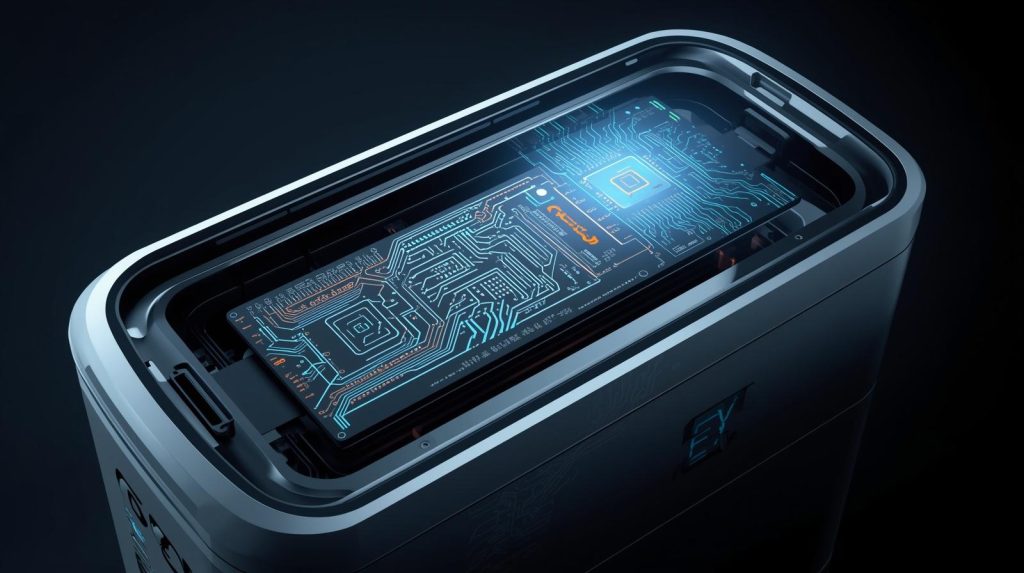
BMS technology is evolving rapidly.
What’s coming:
- AI-powered battery management
- Faster diagnostics
- Longer battery life
Future EVs will be even smarter and safer.
Final Verdict: What Is BMS in an Electric Vehicle?
BMS (Battery Management System) is the brain of an EV battery.
Key Takeaways:
- It monitors and protects the battery
- It ensures safety and efficiency
- It extends battery lifespan
Simple Rule:
No BMS = no safe electric vehicle.
FAQs
1. What is BMS in an electric vehicle?
It is a system that manages and protects the battery.
2. Why is BMS important?
It ensures safety, performance, and battery life.
3. Can an EV work without a BMS?
No, it would be unsafe.
4. Does BMS improve battery lifespan?
Yes, it significantly extends battery life.
5. Is BMS visible to the driver?
No, it works in the background.
Conclusion
Now you fully understand “what is BMS in an electric vehicle.”
The truth is simple:
The BMS is one of the most important parts of your EV.
It quietly works behind the scenes to keep your battery safe, efficient, and long-lasting—so you can enjoy a smooth and worry-free driving experience.
Drive smart, trust the technology, and let your EV do the rest.