
If you’re exploring electric vehicles (EVs), you’ve probably heard about something called a BMS. It sounds technical, but it plays a huge role in how your EV works.
So let’s answer the big question clearly:
What is the purpose of BMS in EV?
The simple answer is:
The purpose of a BMS (Battery Management System) is to protect, monitor, and optimize the EV battery.
Without it, your electric car wouldn’t be safe, efficient, or long-lasting.
What Is the Purpose of BMS in EVs?
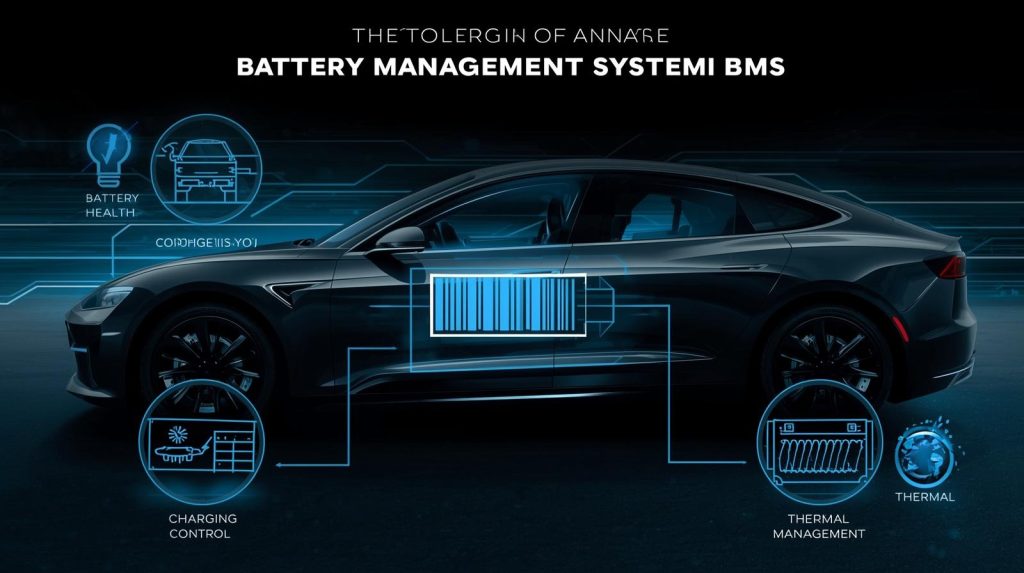
The purpose of BMS in EV is to:
- Keep the battery safe
- Control charging and discharging
- Improve battery life
- Ensure efficient performance
Think of it like this:
The battery is the heart, and the BMS is the brain that keeps everything working properly.
Why Is BMS Important in Electric Vehicles?
Electric vehicle batteries are powerful but sensitive systems.
Without a BMS:
- Batteries could overheat
- Charging could become unsafe
- Cells could get damaged
- Battery life would shorten
With a BMS:
- Safe operation
- Longer lifespan
- Better efficiency
- Reliable performance
This is why every electric vehicle in the U.S. uses a BMS.
Core Purpose of BMS in EV
Let’s explore the main purposes of a BMS in detail.
1. Battery Protection (Primary Purpose)
The most important purpose of a BMS is to protect the battery.
It Prevents:
- Overcharging
- Deep discharging
- Short circuits
- Overheating
These protections are critical because EV batteries store a large amount of energy.
2. Temperature Control
EV batteries must stay within a safe temperature range.
The BMS:
- Activates cooling systems in hot weather
- Helps warm the battery in cold conditions
This ensures safety and consistent performance.
3. Cell Balancing
An EV battery consists of hundreds or even thousands of small cells.
Problem:
- Cells may charge unevenly
BMS Solution:
- Balances energy across all cells
This improves efficiency and prevents damage.
4. Charging Management
Charging is one of the most critical processes in an EV.
The BMS Controls:
- Charging speed
- Voltage levels
- Charging limits
This prevents battery damage and improves charging safety.
5. State of Charge (SOC) Monitoring
The BMS calculates how much energy is left in your battery.
What You See:
- Battery percentage on your dashboard
This helps you plan your trips confidently.
6. State of Health (SOH) Monitoring
The BMS tracks how your battery ages over time.
It Monitors:
- Capacity loss
- Performance changes
This helps detect issues early and extend battery life.
7. Performance Optimization
The BMS doesn’t just protect—it also improves performance.
It Helps By:
- Delivering power efficiently
- Optimizing energy use
- Supporting smooth acceleration
This makes your EV more responsive and efficient.
How BMS Works in Real Life
The BMS works continuously in the background.
Example Scenario:
You’re driving on a hot summer day in California:
- The battery starts heating up
- BMS activates the cooling system
- Charging speed adjusts automatically
You don’t notice anything—but your battery stays safe.
Why BMS Is Critical for U.S. Drivers
Driving conditions in the U.S. vary widely:
- Hot deserts (Arizona)
- Cold winters (Minnesota)
- Long highway drives
The BMS Helps By:
- Managing temperature changes
- Protecting the battery during long trips
- Ensuring reliable performance
It adapts your EV to different environments.
What Happens If BMS Fails?
Although rare, BMS failure can cause problems.
Possible Issues:
- Incorrect battery readings
- Charging problems
- Reduced performance
- Safety risks
Most EVs will show warning alerts if something goes wrong.
Can a BMS Be Repaired or Replaced?
Yes, depending on the issue.
Solutions:
- Software updates
- Sensor repairs
- Full BMS replacement
Always consult a certified EV technician.
How BMS Extends Battery Lifespan
One of the biggest purposes of a BMS is to increase battery life.
It Does This By:
- Preventing extreme charging levels
- Controlling temperature
- Balancing cells
- Managing charging cycles
This helps EV batteries last 8–15 years or more.
BMS in EV vs Hybrid vs Plug-In Hybrid
Electric Vehicle (EV):
- Advanced BMS
- Large battery system
Hybrid (HEV):
- Simpler BMS
- Smaller battery
Plug-In Hybrid (PHEV):
- Moderate BMS
- Dual system management
All electrified vehicles rely on BMS technology.
Tips to Support BMS and Battery Health
Even though the BMS does most of the work, your habits still matter.
1. Keep Charge Between 20%–80%
Avoid extreme battery levels.
2. Limit Fast Charging
Use only when needed.
3. Avoid Extreme Temperatures
Park in shade or garage.
4. Drive Smoothly
Reduce battery stress.
5. Use Eco Mode
Improve efficiency.
6. Follow Manufacturer Guidelines
Each EV is different.
7. Monitor Battery Status
Watch for alerts.
8. Maintain Your Vehicle
Efficiency supports battery health.
9. Plan Trips Efficiently
Reduce unnecessary energy use.
10. Keep Software Updated
BMS improves over time.
Common Myths About BMS in EVs
Myth: BMS is optional
Fact: Every EV must have a BMS
Myth: BMS prevents all battery issues
Fact: It helps, but user habits still matter
Myth: BMS requires maintenance
Fact: It works automatically
Future of BMS Technology
The future of BMS is exciting.
What’s Coming:
- AI-powered battery management
- Real-time diagnostics
- Longer battery lifespan
EVs will become even smarter and safer.
Final Verdict: What Is the Purpose of BMS in EV?
The purpose of BMS in EV is to protect, manage, and optimize the battery system.
Key Takeaways:
- It ensures safety
- It improves performance
- It extends battery life
- It works automatically
Simple Rule:
No BMS = no safe or reliable EV.
FAQs: What Is the Purpose of BMS in EV?
1. What is the main purpose of BMS in EVs?
To protect and manage the battery.
2. Does BMS improve battery life?
Yes, significantly.
3. Can an EV run without a BMS?
No, it would be unsafe.
4. Is BMS visible to the driver?
No, it works in the background.
5. Does BMS control charging?
Yes, it manages charging safely.
Conclusion: What Is the Purpose of BMS in EV?
Now you fully understand “What is the purpose of BMS in EV?”
The truth is simple:
The BMS is the invisible system that keeps your EV running safely and efficiently.
It protects your battery, improves performance, and ensures your vehicle lasts for years.
So the next time you drive an electric car, remember—there’s a smart system working behind the scenes to keep everything running smoothly.