
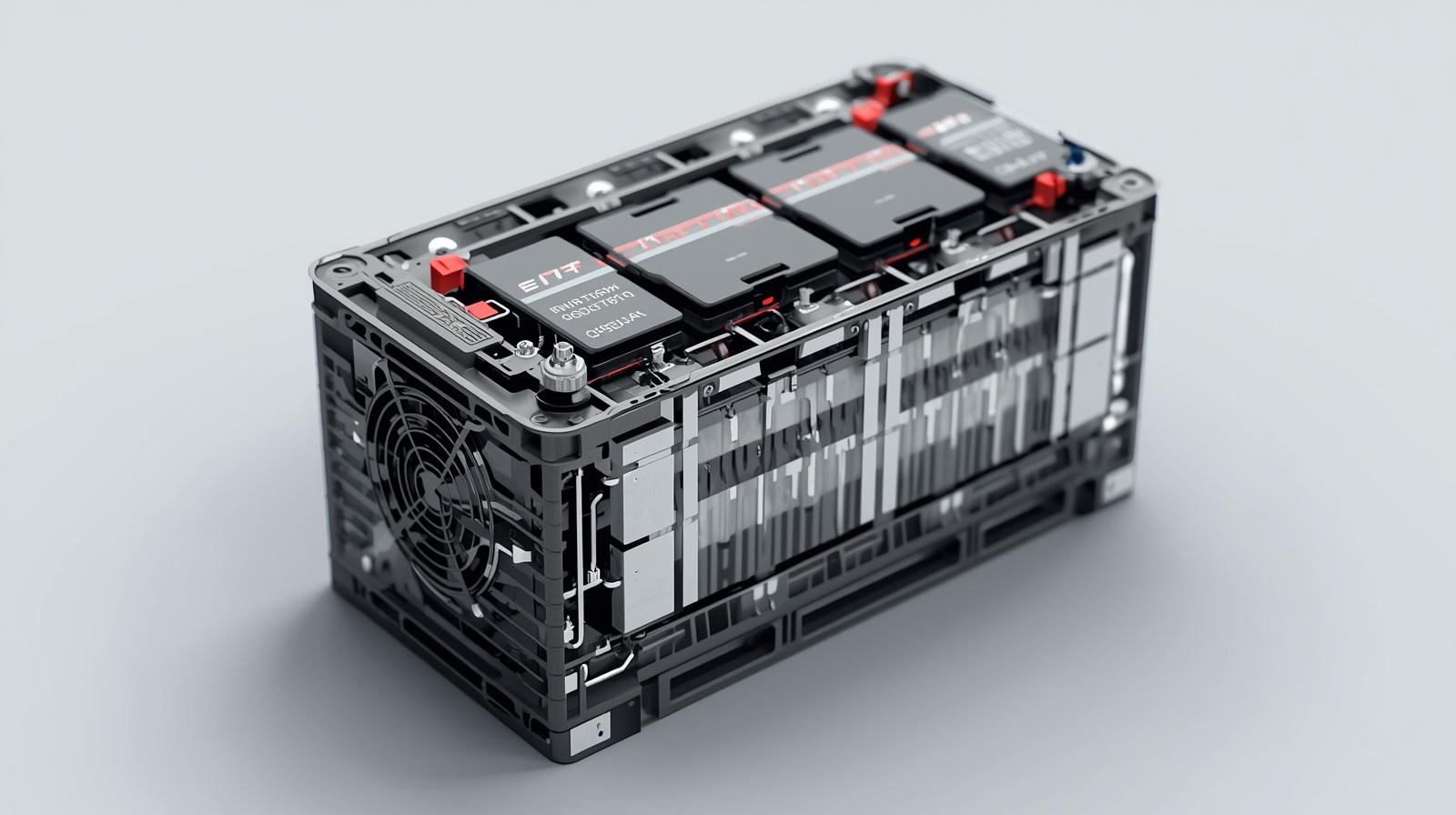
If you’re curious about electric vehicles (EVs), one of the most important questions you can ask is:
What type of battery is used in EV cars?
The battery is the heart of an electric car. It decides how far you can drive, how fast you can charge, and how long your vehicle will last.
The simple answer is:
Most electric cars use lithium-ion batteries.
But there’s more to the story.
In this complete guide, you’ll learn about the different types of EV batteries, how they work, why they’re used, and which one is best—all explained in simple, easy-to-understand language.
What Type of Battery Is Used in EV Cars?
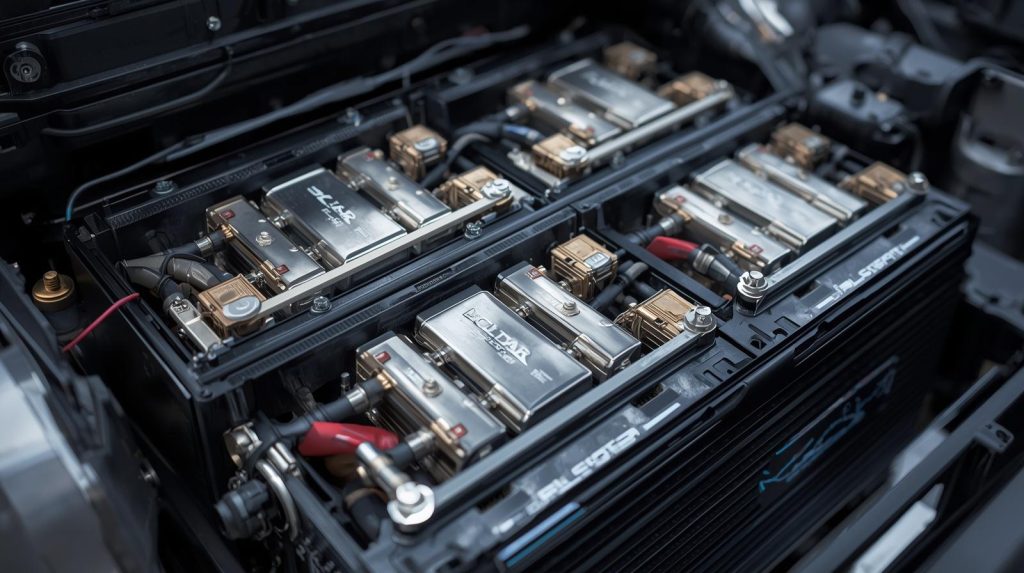
The most common battery used in EV cars is:
- Lithium-ion (Li-ion) battery
Why It’s Used:
- High energy density
- Long lifespan
- Fast charging capability
- Lightweight design
Simple takeaway:
Lithium-ion batteries power almost every modern electric car.
Why EVs Need Special Batteries
Electric cars don’t use regular batteries like those in phones or remote controls.
EV Batteries Must:
- Store large amounts of energy
- Deliver power quickly
- Last for years
- Handle charging safely
This is why advanced battery technology is required.
Main Types of Batteries Used in EV Cars
Let’s explore the different battery types used in EVs.
1. Lithium-Ion Batteries (Most Common)
This is the main battery used in EV cars today.
Key Features:
- High energy storage
- Lightweight
- Long lifespan (8–15 years)
- Fast charging support
Where You See Them:
- Most modern EVs in the U.S.
- Popular electric cars and SUVs
Advantages:
- Efficient performance
- Reliable technology
- Widely available
Disadvantages:
- Expensive to produce
- Sensitive to extreme temperatures
Overall, lithium-ion batteries are the best balance of performance and cost.
2. Lithium Iron Phosphate (LFP) Batteries
A special type of lithium-ion battery.
Key Features:
- Safer chemistry
- Longer lifespan
- Lower cost
Advantages:
- More stable and safe
- Less risk of overheating
- Better durability
Disadvantages:
- Slightly lower energy density
- Shorter driving range compared to other lithium-ion types
LFP batteries are becoming more popular in the U.S.
3. Nickel-Metal Hydride (NiMH) Batteries
Used mainly in hybrid vehicles, not full EVs.
Key Features:
- Older technology
- Reliable performance
Advantages:
- Durable
- Proven technology
Disadvantages:
- Lower energy capacity
- Heavier
- Slower charging
You’ll mostly find these in traditional hybrid cars.
4. Solid-State Batteries (Future Technology)
This is the future of EV batteries.
Key Features:
- Higher energy density
- Faster charging
- Improved safety
Advantages:
- Longer range
- Faster charging times
- Less risk of fire
Disadvantages:
- Still expensive
- Not widely available yet
Many companies are working to bring this technology to market.
How EV Batteries Work (Simple Explanation)
EV batteries store energy and deliver it to the motor.
Basic Process:
- A battery stores electrical energy
- Energy flows to the electric motor
- Motor powers the wheels
When you charge the car, the process reverses.
What Is Inside an EV Battery?
An EV battery is made up of many small parts.
Components:
- Cells (small energy units)
- Modules (groups of cells)
- Battery pack (full system)
Thousands of cells work together to power the car.
What Makes Lithium-Ion Batteries the Best Choice?
Let’s understand why lithium-ion dominates the EV market.
High Energy Density
- Stores more energy in less space
- Enables longer driving range
Fast Charging
- Supports rapid charging stations
Smart Management
- Works with Battery Management System (BMS)
This combination makes lithium-ion ideal for EVs.
EV Battery Usage in the United States
In the U.S., most EVs use lithium-ion batteries.
Why?
- Strong charging infrastructure
- High-performance needs
- Long driving distances
U.S. drivers benefit from advanced battery technology.
Challenges of EV Batteries
Even though EV batteries are advanced, they have some challenges.
Key Issues:
- High production cost
- Mining impact (lithium, cobalt)
- Recycling challenges
However, technology is improving rapidly.
EV Battery Lifespan
Average Lifespan:
- 8–15 years
- 100,000–200,000 miles
Over Time:
- Battery capacity decreases
- Range reduces slightly
Proper care can extend battery life.
Tips to Extend EV Battery Life
1. Keep Charge Between 20%–80%
Avoid extreme levels.
2. Limit Fast Charging
Use only when needed.
3. Avoid Extreme Temperatures
Protect the battery.
4. Drive Smoothly
Reduce stress on the battery.
5. Use Eco Mode
Improve efficiency.
6. Follow Manufacturer Guidelines
Each EV is different.
7. Monitor Battery Health
Check alerts.
8. Maintain Your Vehicle
Efficiency helps battery life.
9. Plan Trips Efficiently
Reduce unnecessary energy use.
10. Update Software Regularly
Improves battery performance.
Common Myths About EV Batteries
Myth: EV batteries don’t last long
Fact: They can last over a decade
Myth: EV batteries are unsafe
Fact: They are highly regulated and safe
Myth: All EV batteries are the same
Fact: Different types exist with unique features
Future of EV Batteries
The future looks exciting.
Innovations Coming:
- Solid-state batteries
- Faster charging
- Longer lifespan
- Lower costs
EV batteries will continue to improve.
Final Verdict: What Type of Battery Is Used in EV Cars?
Most EV cars use lithium-ion batteries.
Key Takeaways:
- Lithium-ion is the most common
- LFP is a safer and cheaper option
- Solid-state is the future
Simple Rule:
Lithium-ion batteries power the EV revolution.
FAQs
1. What type of battery is used in EV cars?
Lithium-ion batteries are most commonly used.
2. Are all EV batteries lithium-ion?
Most are, but some use LFP or other types.
3. How long do EV batteries last?
Typically 8–15 years.
4. What is the future of EV batteries?
Solid-state technology.
5. Are EV batteries safe?
Yes, they are designed with advanced safety systems.
Conclusion
Now you fully understand “What type of battery is used in EV cars?”
The answer is simple:
Lithium-ion batteries power most electric vehicles today.
They offer the perfect balance of performance, efficiency, and reliability.
As technology improves, EV batteries will become even better—making electric cars more powerful, affordable, and sustainable.