
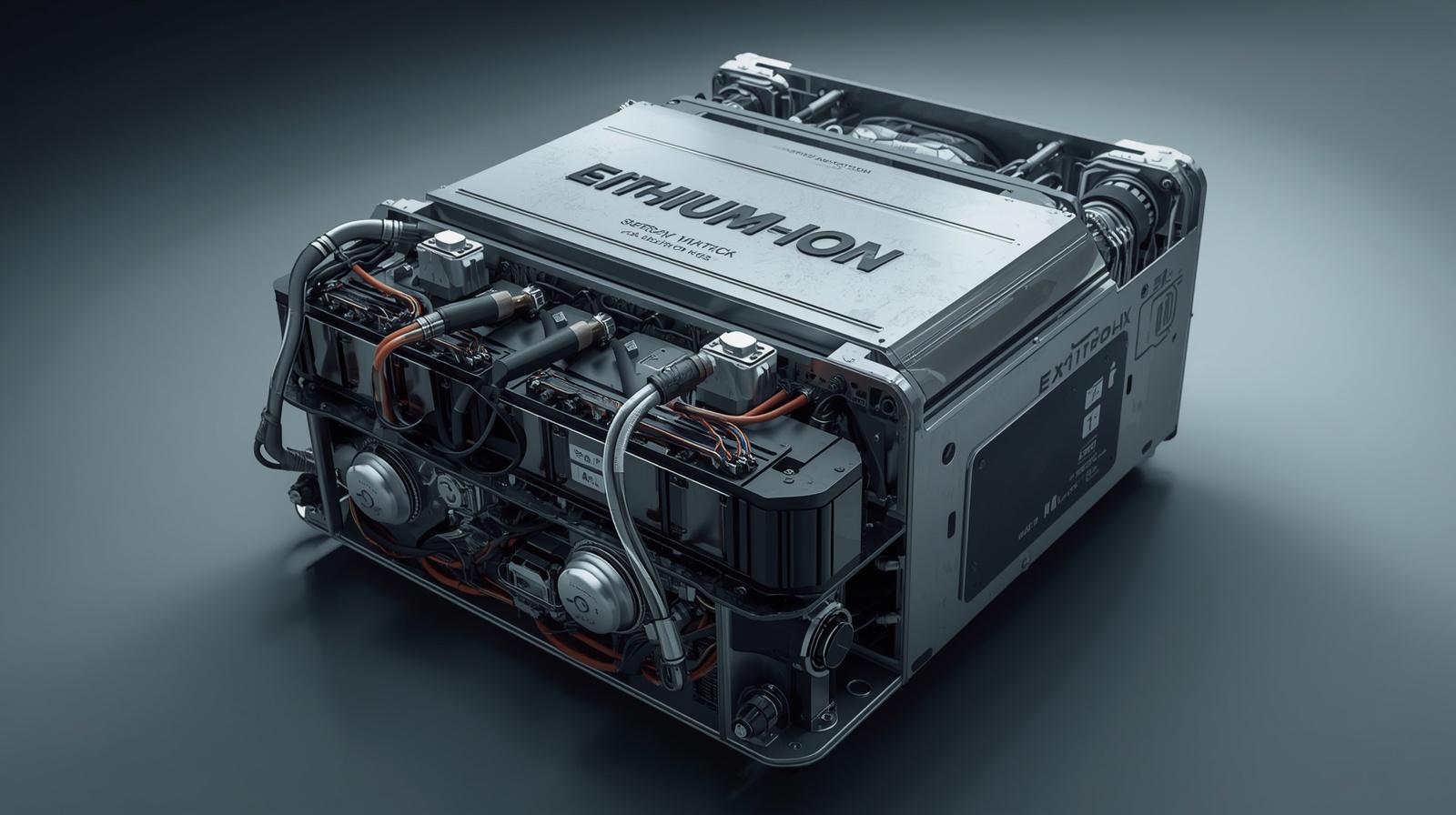
Electric cars are becoming more popular across the United States. They are quiet, efficient, and environmentally friendly. But have you ever wondered:
Why do electric cars use lithium batteries?
It’s a great question—and the answer is surprisingly simple.
Electric cars use lithium batteries because they store more energy, charge faster, last longer, and perform better than other battery types.
In this complete guide, we’ll break everything down in easy language so anyone—even beginners—can understand why lithium batteries power almost every electric vehicle today.
Why Do Electric Cars Use Lithium Batteries?
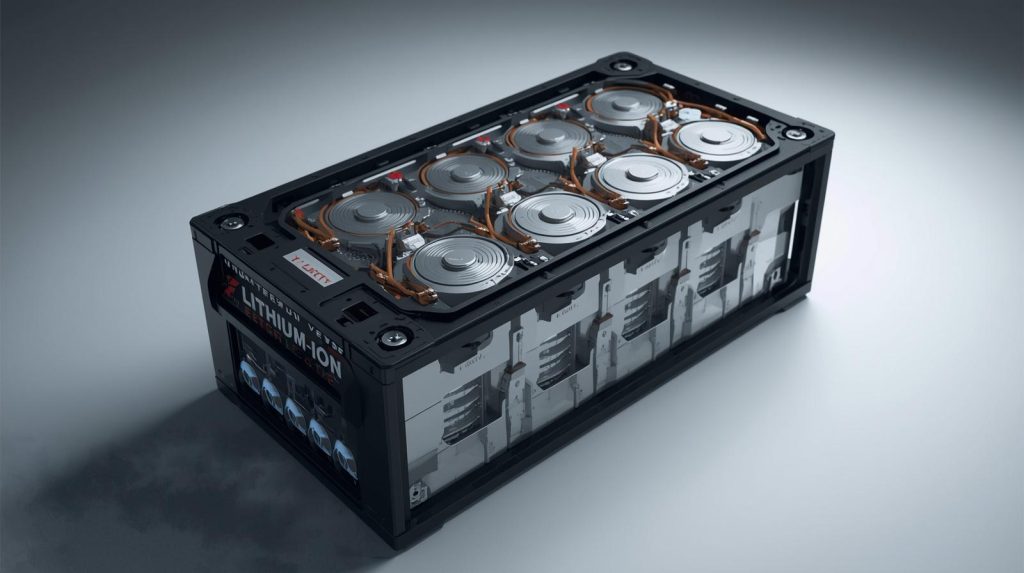
Electric cars use lithium batteries because they offer:
- High energy density
- Lightweight design
- Fast charging capability
- Long lifespan
- High efficiency
Simple takeaway:
Lithium batteries give EVs the power, range, and reliability drivers need.
What Are Lithium Batteries?
Lithium batteries, also called lithium-ion batteries, are rechargeable batteries used in many devices.
Where You’ve Seen Them:
- Smartphones
- Laptops
- Power banks
- Electric vehicles
They are popular because they store a lot of energy in a small space.
Why Do Electric Cars Use Lithium Batteries Instead of Others?
Let’s explore the main reasons in detail.
1. High Energy Density (More Range)
This is the biggest reason lithium batteries are used in EVs.
What It Means:
- Stores more energy in less space
- Allows a longer driving distance
Example:
- A lithium battery can power an EV for 200–400+ miles
More energy = more range = fewer charging stops.
2. Lightweight Design
Lithium batteries are lighter than older battery types.
Why It Matters:
- Lighter cars are more efficient
- Better acceleration
- Improved performance
Heavy batteries would reduce efficiency.
3. Fast Charging Capability
Lithium batteries support fast charging.
Charging Levels:
- Level 1 → slow
- Level 2 → moderate
- DC fast charging → very fast
Example:
- Many EVs can charge up to 80% in 20–40 minutes
This makes EVs practical for daily use and road trips.
4. Long Lifespan
Lithium batteries last much longer than older battery types.
Typical Lifespan:
- 8–15 years
- 100,000–200,000 miles
Why It Matters:
- Lower maintenance
- Better long-term value
This is important for U.S. drivers who keep cars for years.
5. High Efficiency
Lithium batteries waste very little energy.
Efficiency:
- Up to 90% energy efficiency
Why It Matters:
- More energy goes to driving
- Less energy is lost as heat
This improves overall vehicle performance.
6. Better Temperature Performance
Lithium batteries perform well in different conditions.
Hot Weather:
- Cooling systems manage heat
Cold Weather:
- Performance drops slightly but remains usable
Advanced systems help maintain performance.
7. Works with Smart Battery Systems
Lithium batteries work well with advanced technology like:
Battery Management Systems (BMS)
What It Does:
- Monitors battery health
- Controls charging
- Prevents overheating
This makes lithium batteries safe and reliable.
8. Rechargeable and Sustainable
Lithium batteries can be recharged thousands of times.
Benefits:
- Reduces fuel use
- Supports clean energy
- Lower emissions
This is why EVs are considered eco-friendly.
Are There Any Downsides?
Yes, lithium batteries are not perfect.
Challenges:
- Expensive to produce
- Mining impacts the environment
- Battery degradation over time
However, benefits still outweigh the disadvantages.
Why Lithium Batteries Are Ideal for U.S. Drivers
Driving in the United States requires:
- Long-distance travel
- High-speed highways
- Reliable performance
Lithium Batteries Help By:
- Providing long-range
- Supporting fast charging networks
- Delivering consistent performance
They match U.S. driving needs perfectly.
How Lithium Batteries Compare to Other Battery Types
Lead-Acid Batteries:
- Cheap but heavy
- Low energy storage
Nickel-Metal Hydride (NiMH):
- Used in hybrids
- Less efficient
Lithium-Ion Batteries:
- High performance
- Best overall option
Lithium batteries clearly outperform others.
Tips to Get the Best Performance from Lithium Batteries
1. Keep Charge Between 20%–80%
Avoid extreme levels.
2. Limit Fast Charging
Use only when needed.
3. Avoid Extreme Temperatures
Protect battery health.
4. Drive Smoothly
Reduce energy use.
5. Use Eco Mode
Improve efficiency.
6. Follow Manufacturer Guidelines
Each EV is different.
7. Monitor Battery Status
Check alerts regularly.
8. Maintain Your Vehicle
Efficiency supports battery life.
9. Plan Trips Smartly
Reduce unnecessary energy use.
10. Keep Software Updated
Enhance battery performance.
Common Myths About Lithium Batteries in EVs
Myth: Lithium batteries are unsafe
Fact: They are highly regulated and safe
Myth: EV batteries don’t last long
Fact: Most last over a decade
Myth: Charging damages the battery quickly
Fact: Modern systems protect the battery
Future of Lithium Batteries in Electric Cars
Technology is improving rapidly.
What’s Coming:
- Faster charging
- Longer range
- Lower costs
- Better recycling
Lithium batteries will continue to evolve.
Final Verdict: Why Do Electric Cars Use Lithium Batteries?
Electric cars use lithium batteries because they offer the best balance of performance, efficiency, and lifespan.
Key Takeaways:
- High energy density = longer range
- Lightweight = better efficiency
- Fast charging = convenience
- Long lifespan = durability
Simple Rule:
Lithium batteries power the future of electric vehicles.
FAQs: Why Do Electric Cars Use Lithium Batteries?
1. Why do EVs use lithium batteries?
They are efficient, lightweight, and long-lasting.
2. Are lithium batteries the best for EVs?
Yes, currently they are the best option available.
3. How long do lithium batteries last?
Typically 8–15 years.
4. Are lithium batteries safe?
Yes, with advanced safety systems.
5. Will lithium batteries be replaced?
Future technologies may improve them, but they are dominant today.
Conclusion: Why Do Electric Cars Use Lithium Batteries?
Now you fully understand why electric cars use lithium batteries.
The answer is simple:
They provide the perfect combination of power, efficiency, and reliability.
From long driving range to fast charging and long lifespan, lithium batteries make modern EVs practical and enjoyable to drive.
As technology continues to improve, lithium batteries will become even better—driving us toward a cleaner and smarter future.